

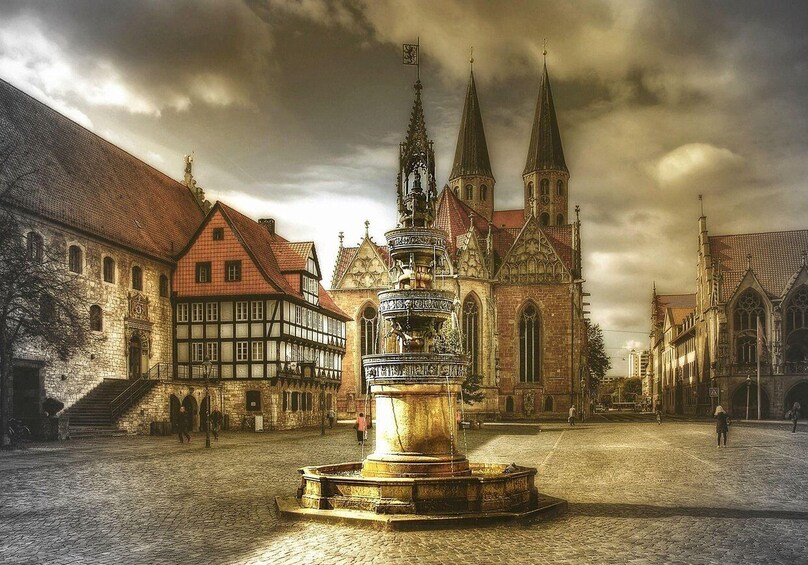
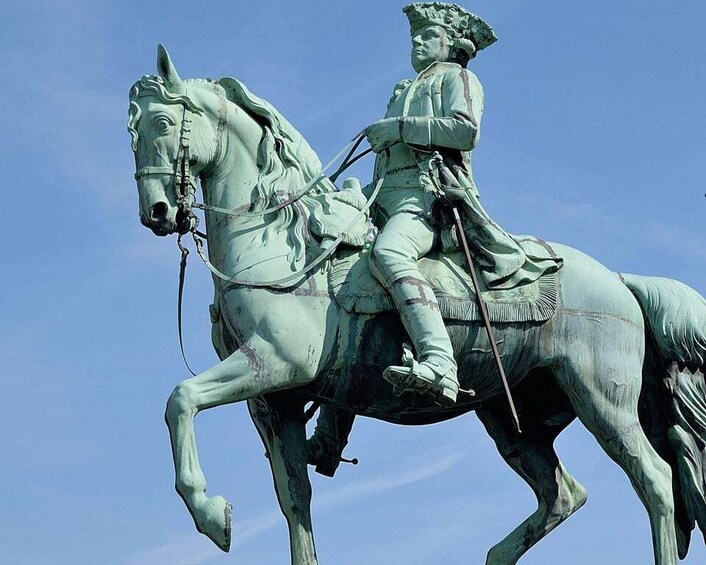
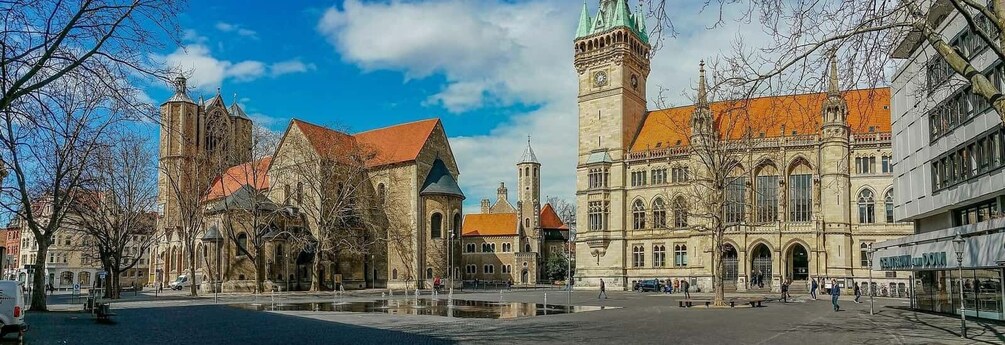
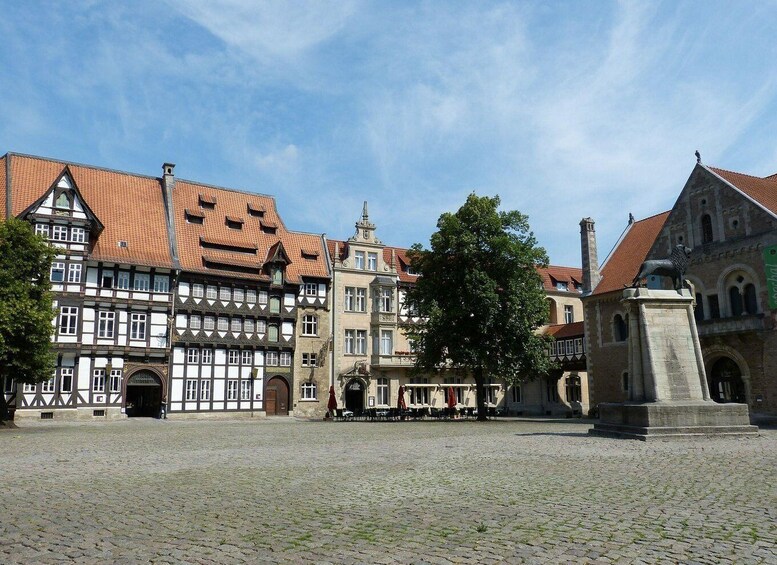
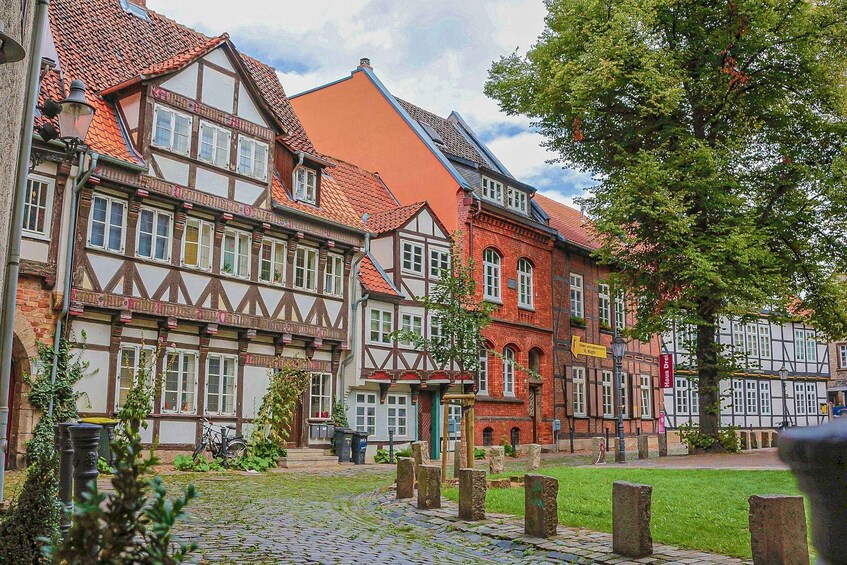
Braunschweig is an interesting place to be! Situated at the crossroads of major trade routes and part of the Hanseatic League, Braunschweig was a city of great importance in medieval Germany. During the Middle Ages Henry the Lion of the House of Welf became duke of Saxony and made Braunschweig the capital of his state. After marrying Richard the Lionheart's sister Matilda of England, Henry adopted the lion as the emblem of the city (still on the coat of arms of Braunschweig), thus establishing familial ties to the royal family of England. See the Castle Square, the main open air centre surrounded by some of the most important buildings from the city: the castle, the cathedral and the classicist Vieweg House. Prepare your cameras for Braunschweig’s landmark: the Lion Statue. The original, plated with gold, was erected by Henry the Lion in around 1166 as a symbol of his power and jurisdiction. During World War II most of Braunschweig's medieval city centre was destroyed and only 80 of formerly over 800 timber frame houses survived. Pass the St. Blasii Cathedral, commissioned by the same Henry the Lion in the 12th century. The cathedral became the main religious centre of the region as well as the burial place of German royalty. Inside don't miss the tombs of Henry and his son, Kaiser Otto IV as well as the Imervard cross, the seven-branched candelabrum and the altar of Maria. Discover this and much more in a walking tour where you will learn about the rich history and see the main highlights of this charming place.