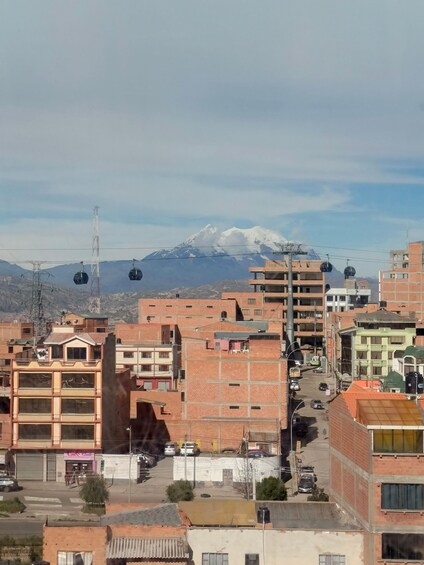
Understand how La Paz and El Alto function together through mobility, markets and everyday life.
You'll still visit important places, ride the famous cable cars, and explore local markets—but every stop answers a bigger question.
How do people really make a living?
Why do traditional beliefs remain so important?
What does daily life actually look like for the people who live here?
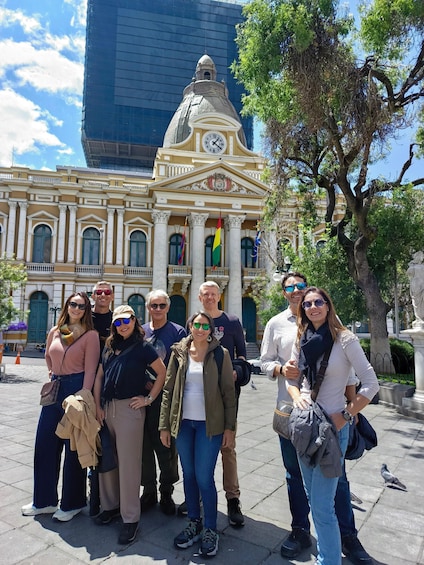
PLAZA MURILLO — POLITICS IN DAILY LIFE
Begin in the historic centre and look beyond dates and monuments. We'll explore why politics remains so visible in public life and how national events are reflected in the streets and conversations of La Paz.
SAN PEDRO — A CITY BESIDE A PRISON
From outside San Pedro Prison, we'll talk about justice, informal economies and the way an unusual institution exists beside ordinary city life. The focus is context, not sensationalism.
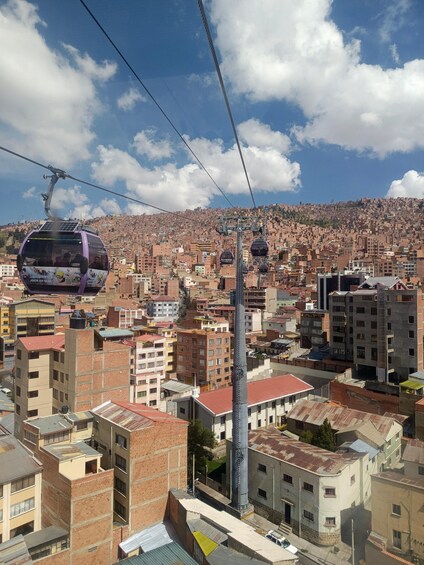
CABLE CAR — HOW LA PAZ AND EL ALTO CONNECT
Ride the cable car above the city and see the geography that shapes daily movement between La Paz and El Alto. People travelled between both cities long before the cable car existed; today it offers a faster and more convenient connection and a remarkable viewpoint from which to understand how the two cities function together.
EL ALTO — MARKETS, WORK AND EVERYDAY ECONOMY
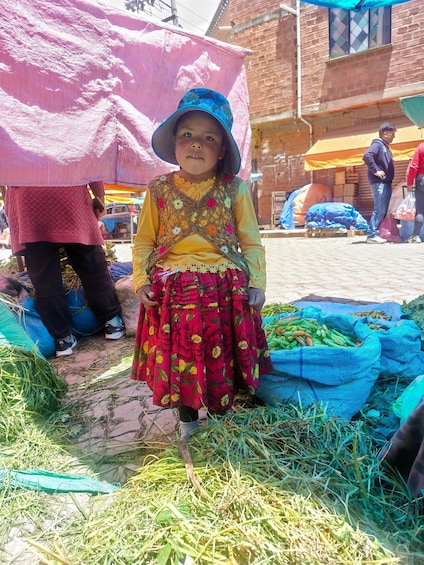
Explore a working local market where families shop, vendors earn their living and everyday routines unfold away from the main tourist streets.
Rather than treating the market as an attraction, we'll look at what it reveals about work, exchange and community life.
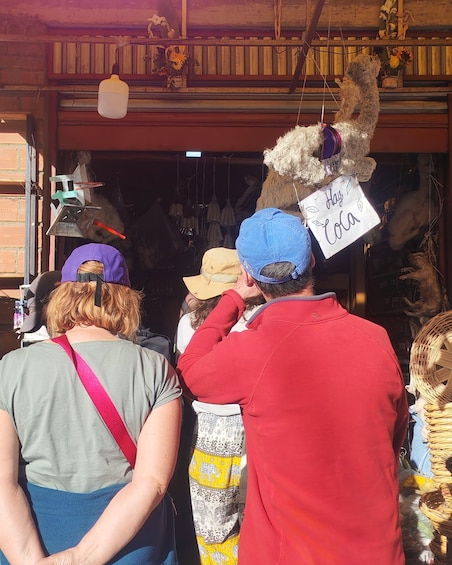
REAL WITCHES' MARKET — BELIEFS IN PRACTICE
Visit the market used by local practitioners and learn about offerings, beliefs and the role they continue to play for many people.
We explain the context respectfully, without judging beliefs or turning them into a spectacle. Photography is restricted in some areas, and your guide will tell you where photos are appropriate.
We finish by taking the cable car back towards central La Paz.
By the end, you won't just have seen La Paz and El Alto from different angles — you'll have a clearer understanding of how people move, work, believe and live across both cities.