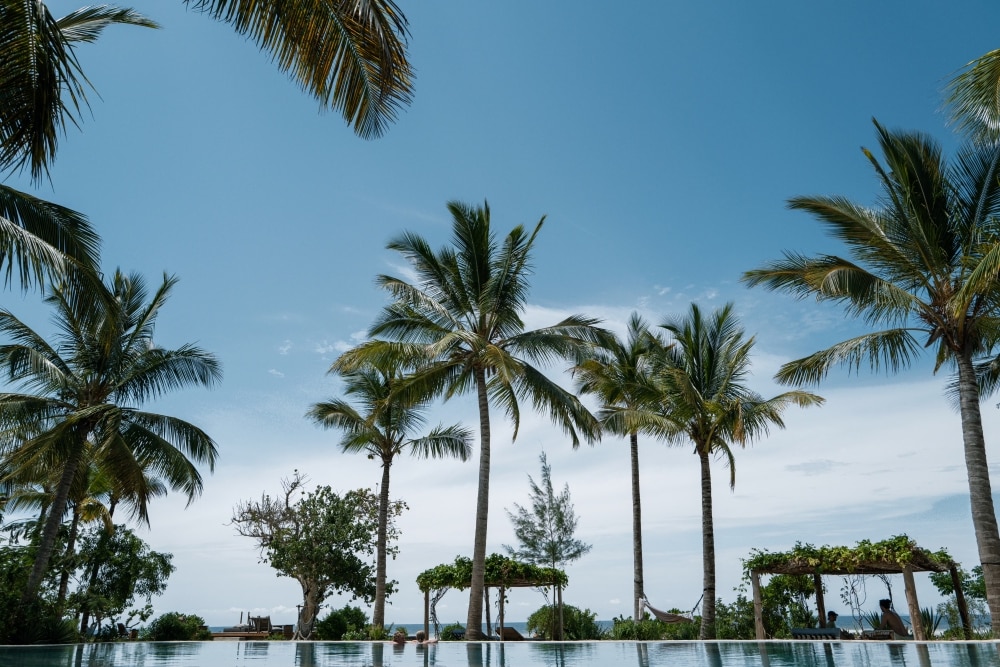

Tegalrejo
Panduan Perjalanan

Kunjungi Tegalrejo

Hotel Tentrem Yogyakarta
Jl. P. Mangkubumi 72A Yogyakarta Yogyakarta
Harga Rp1.995.000 per malam dari 4 Okt hingga 5 Okt
Rp1.995.000
total Rp2.413.950
4 Okt - 5 Okt
termasuk pajak & biaya lainnya
Menginaplah di hotel mewah ini di Yogyakarta. Nikmati sarapan gratis, WiFi gratis, dan parkir gratis. Objek wisata populer seperti Jalan Malioboro dan Tugu Yogyakarta ...
9,4/10 Sempurna! (338 ulasan)
"Kamr bersih....staff ramah dan breakfast yang banyak pilihannya"
Diulas pada tanggal 15 Sep 2026

Top Malioboro Hotel
Jalan HOS Cokroaminoto No. 145 Yogyakarta
Harga Rp385.088 per malam dari 30 Sep hingga 1 Okt
Rp385.088
total Rp465.957
30 Sep - 1 Okt
termasuk pajak & biaya lainnya
Menginaplah di hotel ini di Yogyakarta. Nikmati WiFi gratis, parkir gratis, dan sarapan (biaya tambahan). Objek wisata populer seperti Jalan Malioboro dan Museum ...
6,2/10 (17 ulasan)
Ga dapat sarapan
"Untuk harga 250 Anda kami tidak dapat sarapan, kondisi kamar oke dan nyaman, tapi kami masih dengar suara berisik dari luar kamar dengan jelas. Thanks"
Diulas pada tanggal 8 Jan 2017

Yogyakarta Marriott Hotel
Jalan Ringroad Utara, Condong Catur Depok
Harga Rp1.750.000 per malam dari 12 Okt hingga 13 Okt
Rp1.750.000
total Rp2.117.500
12 Okt - 13 Okt
termasuk pajak & biaya lainnya
Menginaplah di hotel mewah ini di Depok. Nikmati WiFi gratis, parkir gratis, dan spa layanan lengkap. Tamu kami memuji staf di ulasan kami. Objek wisata populer ...
9,4/10 Sempurna! (295 ulasan)
"Good and clean also high end of hotel which is located in a strategic. Nice and clean room also and quite spacious for twin queen bed."
Diulas pada tanggal 22 Jun 2026
Harga per malam terendah yang ditemukan dalam 24 jam terakhir berdasarkan pencarian 1 malam untuk 2 tamu dewasa. Harga dan ketersediaan dapat berubah sewaktu-waktu. Ketentuan tambahan dapat berlaku.
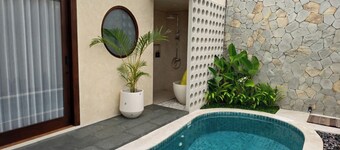
Allure Villa Yogyakarta
Jl. Jambon Tengah Yogyakarta Jogja
Menginaplah di vila bisnis ini di Yogyakarta. Nikmati WiFi gratis, parkir gratis, dan kolam renang pribadi. Objek wisata populer seperti Jalan Malioboro dan ...

Oakwood Yogyakarta
Jl. A.M. Sangaji No.36, Yogyakarta
Menginaplah di hotel apartemen mewah ini di Yogyakarta. Nikmati parkir gratis, sarapan (biaya tambahan), dan layanan kamar 24 jam. Objek wisata populer seperti ...
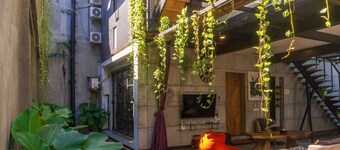
Villa Amalura
Jl. Wirosaban Barat No.88, Sorosutan Yogyakarta jawa tengah
Menginaplah di vila ini di Yogyakarta. Nikmati WiFi gratis, parkir gratis, dan 2 kolam renang outdoor. Objek wisata populer seperti Jalan Malioboro dan Galeri ...
Harga per malam terendah yang ditemukan dalam 24 jam terakhir berdasarkan pencarian 1 malam untuk 2 tamu dewasa. Harga dan ketersediaan dapat berubah sewaktu-waktu. Ketentuan tambahan dapat berlaku.
Penginapan dekat objek wisata populer di Tegalrejo
Atraksi wisata


Pengalaman Matahari Terbenam di Boko dengan Makan Malam
Rp116.000
per traveler
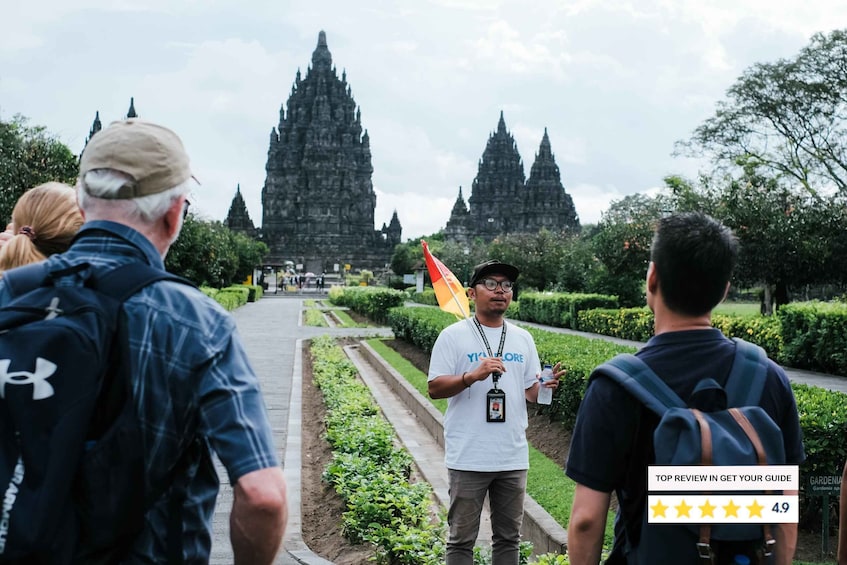
Yogyakarta: Pendakian Borobudur & Prambanan dengan Pemandu Bersama Tur
Rp650.000
per dewasa
100% traveler merekomendasikan ini


Jelajahi dunia perjalanan dengan Expedia
- Rental mobil di Balangan
- Mobil rental di bandara Bandara Internasional Adisucipto
- Rental mobil di Bandung
- Rental mobil di Banguntapan
- Rental mobil di Baturetno
- Rental mobil dekat Candi Prambanan
- Rental mobil di Cangkringan
- Rental mobil di Depok
- Rental mobil dekat Imogiri
- Rental mobil dekat Jogja City Mall
- Rental mobil di Karangmojo
- Rental mobil di Kotabaru
- Rental mobil di Kulon Progo
- Rental mobil di Maguwo
- Rental mobil dekat Merapi Golf Course
- Rental mobil dekat Pantai Depok
- Rental mobil dekat Pantai Parangtritis
- Rental mobil di Pleret
- Rental mobil di Pogung Lor
- Rental mobil dekat Pusat Kota Yogyakarta
- Rental mobil dekat Stadion Maguwoharjo
- Rental mobil di Temon
- Rental mobil dekat Tugu Yogyakarta
- Rental mobil di Yogyakarta
- Rental mobil dekat Daerah Istimewa Yogyakarta
- Rental mobil dekat Umbulharjo
- Rental Mobil Pickup di Sleman
- Museum Sasana Wiratama
- Jalan Malioboro
- Candi Borobudur
- Candi Prambanan
- Tugu Yogyakarta
- Malioboro Mall
- Kebun Binatang Gembira Loka
- Jogja City Mall
- Alun-Alun Kidul
- Taman Sari
- Plaza Ambarrukmo
- Universitas Gadjah Mada
- Bukit Punthuk Setumbu
- Pantai Parangtritis
- Pasar Beringharjo
- Sleman City Hall
- Ramayana Ballet
- Vihara Buddha Mendut
- Gunung Merapi
- Candi Pawon
- Pakuwon Mall
- Lippo Plaza Jogja
- Pasar Ngasem
- Stadion Maguwoharjo
- Candi Mendut
- Kraton Ngayogyakarta Hadiningrat
- Universitas Islam Indonesia
- Museum Sonobudoyo
- Merapi Golf Course
- Pasar Bringharjo