


Temukan Hotel Bintang 3 di Solo mulai dari mulai dari Rp188.496
 Berubah pikiranPesan hotel dengan pembatalan gratis
 Banyak pilihanCari di hampir jutaan properti di seluruh dunia
Cek ketersediaan Hotel Bintang 3 di Solo
Malam ini
4 Okt - 5 OktBesok
5 Okt - 6 OktAkhir pekan berikutnya
9 Okt - 11 OktDalam dua minggu
16 Okt - 18 OktPilihan terbaik kami untuk hotel bintang 3 di Solo


Rp550.000
total Rp665.500
termasuk pajak & biaya lainnya
11 Okt - 12 Okt




Rp780.300
total Rp944.163
termasuk pajak & biaya lainnya
18 Okt - 19 Okt




Rp238.017
total Rp288.001
termasuk pajak & biaya lainnya
18 Okt - 19 Okt
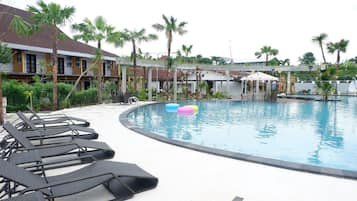


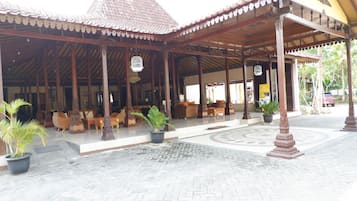
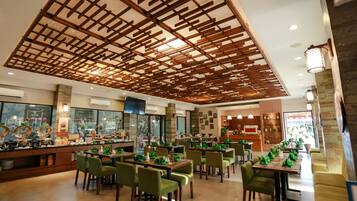
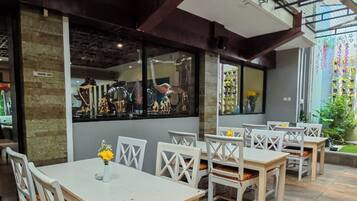
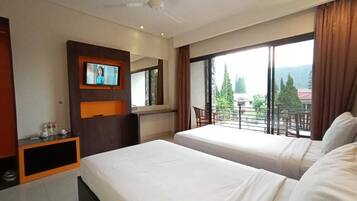
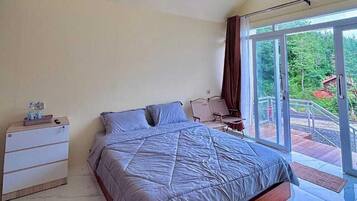
4. Ataya Hotel
Ataya HotelNgemplak
Rp171.360
total Rp188.496
termasuk pajak & biaya lainnya
4 Okt - 5 Okt




Rp371.900
total Rp449.999
termasuk pajak & biaya lainnya
4 Okt - 5 Okt




Rp241.735
total Rp292.500
termasuk pajak & biaya lainnya
7 Okt - 8 Okt


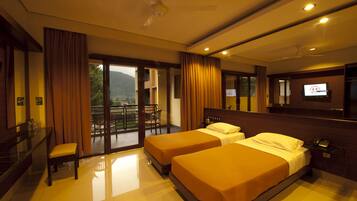

Rp266.446
total Rp322.400
termasuk pajak & biaya lainnya
2 Nov - 3 Nov




Rp660.331
total Rp799.000
termasuk pajak & biaya lainnya
4 Okt - 5 Okt


































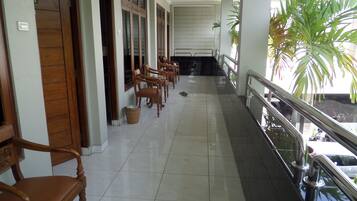

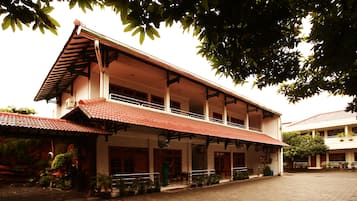





Hemat rata-rata 15% untuk ribuan hotel saat Anda login
Jelajahi hotel bintang 4 yang serupa
Banyak hotel bintang 4 memiliki fasilitas yang sama dengan hotel bintang 3. Lihat semua hotel bintang 4 di Solo.

Novotel Solo
Jalan Slamet Riyadi 272 Surakarta Central Java
Rp545.454
total Rp659.999
4 Okt - 5 Okt
termasuk pajak & biaya lainnya
8,2/10 Bagus Sekali! (123 ulasan)

Swiss-Belhotel Solo
Jalan Ahmad Yani 45 Surakarta Jawa Tengah
Rp735.537
total Rp890.000
4 Okt - 5 Okt
termasuk pajak & biaya lainnya

The Sunan Hotel Solo
Jl. Ahmad Yani 40 Surakarta Central Java
Rp526.612
total Rp637.200
4 Okt - 5 Okt
termasuk pajak & biaya lainnya
7,4/10 Bagus! (6 ulasan)
Masih belum melihat apa yang Anda cari?
Lihat semua properti di Solo.
Anda juga dapat menggunakan filter populer untuk mempersempit pencarian Anda.
Harga per malam terendah yang ditemukan dalam 24 jam terakhir berdasarkan pencarian 1 malam untuk 2 tamu dewasa. Harga dan ketersediaan dapat berubah sewaktu-waktu. Ketentuan tambahan dapat berlaku.
Solo dan destinasi terkait
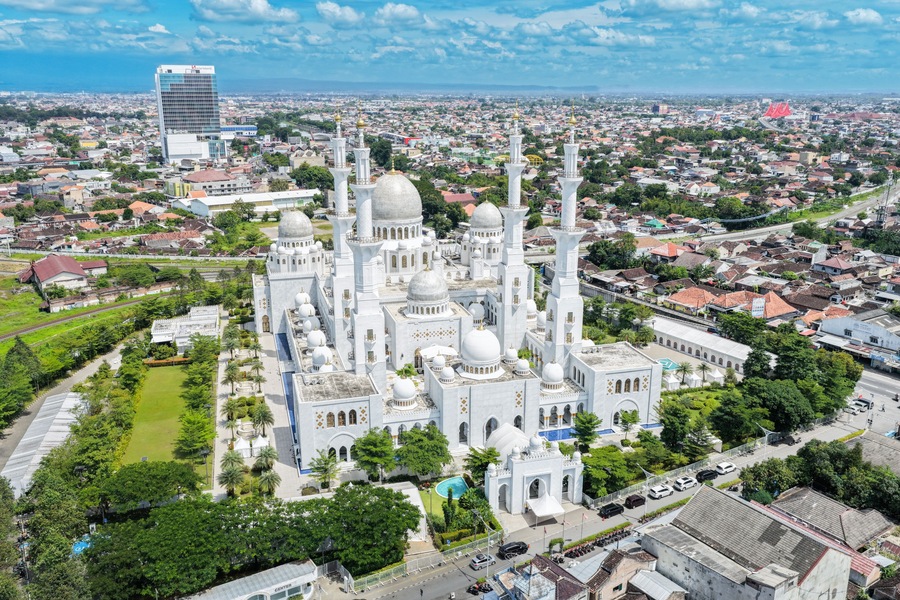
Ulasan Hotel Teratas di Solo
Tren harga untuk properti dengan Bintang 3 di Solo
Lebih murah | Lebih mahal | Bulan ini | Bulan berikutnya |
|---|---|---|---|
Juni | April | Rp604,711 | Rp500,000 |
Bulan | Harga |
|---|---|
Januari | Rp608,135 |
Februari | Rp600,000 |
Maret | Rp600,000 |
April | Rp619,835 |
Mei | Rp600,000 |
Juni | Rp452,179 |
Juli | Rp509,642 |
Agustus | Rp523,065 |
September | Rp500,954 |
Oktober | Rp604,711 |
November | Rp500,000 |
Desember | Rp561,451 |
Informasi tren harga tidak termasuk pajak dan biaya lainnya serta berdasarkan harga menginap per malam untuk 2 orang dewasa yang ditemukan dalam 7 hari terakhir di situs web kami dan merupakan harga rata-rata untuk properti dengan 3 bintang yang sering dilihat di Solo.
Ketahui lebih lanjut tentang Solo
Panduan Saku: Hotel Bintang 3 di Solo
Cari hotel di Solo, di Expedia.co.id. Anda dapat dengan mudah menemukan hotel di Solo menggunakan salah satu metode berikut:
- Lihat pilihan hotel unggulan kami di Solo
- Gunakan peta untuk menemukan hotel di lingkungan Solo yang Anda sukai
- Gunakan filter untuk melihat hotel pada area spesifik di Solo, pilih tema tertentu, merek, atau kelas hotel dari hotel dasar (Bintang 1) hingga hotel mewah (Bintang 5) di Solo
- Masukkan tanggal perjalanan Anda untuk melihat tawaran terbaik untuk hotel di Solo - selagi masih ada
Jelajahi dunia perjalanan dengan Expedia
- Rental mobil di Boyolali
- Rental mobil di Colomadu
- Rental mobil di Grogol
- Rental mobil di Karanganyar
- Rental mobil di Klaten
- Rental mobil dekat Pusat Kota Solo
- Rental mobil dekat Solo Paragon Lifestyle Mall
- Rental mobil di Solo
- Rental mobil di Sragen
- Rental mobil di Sukoharjo
- Rental mobil di Tawangmangu
- Rental mobil dekat The Heritage Palace
- Rental mobil dekat Universitas Muhammadiyah Surakarta
- Rental mobil dekat Universitas Sebelas Maret
- Rental mobil di Wonogiri