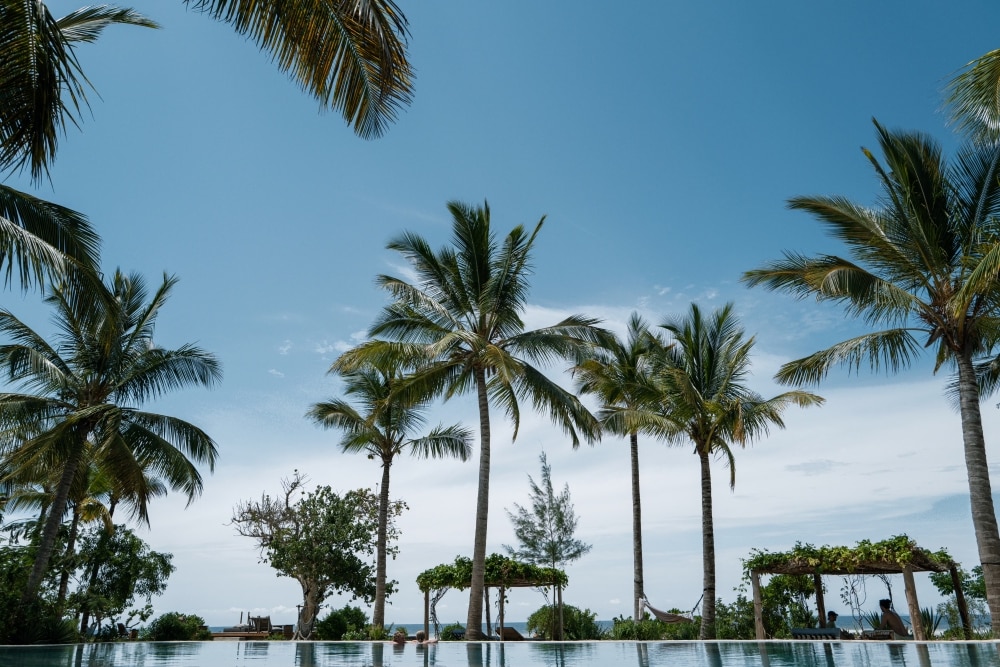
Jaten Travel Guide
Tourist Guide
Visit Jaten

RedDoorz near UNS Solo
Jl. Raya Solo - Tawangmangu, Dagen Jaten Central Java
Stay at this hotel in Jaten. Enjoy free Wi-Fi, a 24-hour front desk and satellite TV channels. Popular attractions Bengawan Solo and Gede Market are located ...

Alila Solo, Java
Jl. Slamet Riyadi No. 562 Surakarta Central Java
The price is Rp977.500 per night from 25 Jan to 26 Jan
Rp977.500
Rp1.182.775 total
25 Jan - 26 Jan
includes taxes & fees
Stay at this luxury hotel in Surakarta. Enjoy free Wi-Fi, free parking and a full-service spa. Popular attractions Solo Square and UMS are located nearby.
9.2/10 Wonderful! (136 reviews)
By far the most beautiful hotel I've ever stayed in. Everything is thoughtfully arranged, spotlessly clean and athletically pleasing. The service is also excellent in every way.
Reviewed on 27 Dec 2025

Grand Mercure Solo Baru
Jl. Ir. Sukarno Solo Baru Grogol
The price is Rp644.300 per night from 18 Feb to 19 Feb
Rp644.300
Rp779.603 total
18 Feb - 19 Feb
includes taxes & fees
Stay at this spa hotel in Grogol. Enjoy free Wi-Fi, free parking and a full-service spa. Popular attractions Hartono Mall and Kraton Surakarta are located ...
8.6/10 Excellent! (78 reviews)
We arrived late and ordered room service dinner. Food was great, staff super helpful and friendly. Breakfast buffet also excellent. Enjoyed our short stay and will stay here again next trip to Solo.
Reviewed on 24 Dec 2025
Lowest nightly price found within the past 24 hours based on a 1 night stay for 2 adults. Prices and availability subject to change. Additional terms may apply.
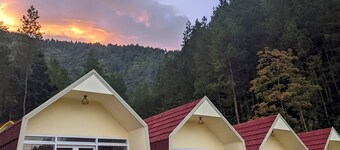
ZG Home Solo
No.8-4 Jl. Pajajaran I Surakarta Jawa Tengah
Stay at this villa in Surakarta. Enjoy free Wi-Fi. Popular attractions Balekambang City Park and Solo Paragon Lifestyle Mall are located nearby.

Ulya Kabin Tawangmangu
Pleseran, Kalisoro, 5 Tawangmangu Jawa Tengah
Stay at this cabin in Tawangmangu. Enjoy free Wi-Fi, free parking and private pools. Popular attractions Wisata Bukit Sekipan and Grojogan Sewu Wafterfall are ...
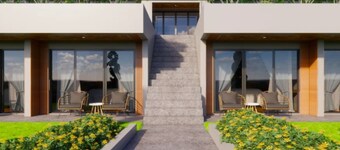
Diiza Glamping Tawangmangu
Area Hutan, Kalisoro Tawangmangu Jawa Tengah
Stay at this villa in Tawangmangu. Enjoy free Wi-Fi, free parking and private pools. Popular attractions Wisata Bukit Sekipan and Grojogan Sewu Wafterfall are ...
Lowest nightly price found within the past 24 hours based on a 1 night stay for 2 adults. Prices and availability subject to change. Additional terms may apply.
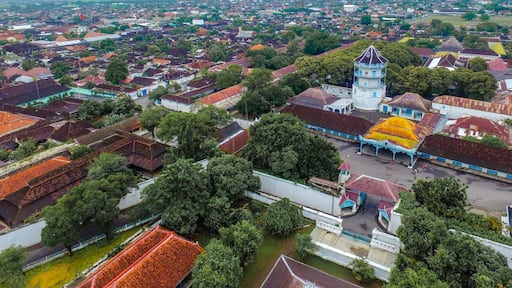
- Solo Paragon Lifestyle Mall
- Universitas Sebelas Maret
- Mangkunegaran Palace
- Klewer Market
- Gede Market
- Wisata Bukit Sekipan
- The Heritage Palace
- Solo Square
- De' Tjolomadoe
- Balekambang City Park
- Sriwedari Amusement Park
- Sangiran Early Man Site
- Nakamura Klinik
- Pasar Klewer
- Radya Pustaka Museum
- Bengawan Solo
![At the museum no photos are allowed which is really unfortunate as it was well worth the visit and the guided tour is definitely not to be missed. In the museum there are even Batik made from the Dutch era which depicts stories like Little Red Riding Hood and Snow White!
I enjoyed the tour v much and at the end of the tour we were brought to this room where the artisan were working on hand drawn batik.
Below is an excerpt from Wikipedia for anyone interested in learning more about the process of batik making.
Firstly, a cloth is washed, soaked and beaten with a large mallet. Patterns are drawn with pencil and later redrawn using hot wax, usually made from a mixture of paraffin or bees wax, sometimes mixed with plant resins, which functions as a dye-resist. The wax can be applied with a variety of tools. A pen-like instrument called a canting (IPA: [tʃantiŋ], sometimes spelled with old Dutch orthography tjanting) is the most common. A canting is made from a small copper reservoir with a spout on a wooden handle. The reservoir holds the resist which flows through the spout, creating dots and lines as it moves. For larger patterns, a stiff brush may be used. Alternatively, a copper block stamp called a cap (IPA: [tʃap]; old spelling tjap) is used to cover large areas more efficiently.
After the cloth is dry, the resist is removed by scraping or boiling the cloth. The areas treated with resist keep their original color; when the resist is removed the contrast between the dyed and undyed areas forms the pattern. This process is repeated as many times as the number of colors desired.
The most traditional type of batik, called batik tulis (written batik), is drawn using only the canting. The cloth need to be drawn on both sides and dipped in a dye bath three to four times. The whole process may take up to a year; it yields considerably finer patterns than stamped batik.
Source: Wikipedia](https://images.trvl-media.com/place/6224808/26fd1460-c65a-4c1a-9444-7a893e883ac9.jpg?impolicy=fcrop&w=512&h=288&q=medium)