
Atraksi wisata di Canning
Aktivitas, Atraksi Wisata, dan Tur
Kunjungi Canning
Atraksi wisata

Bus Hop-On Hop-Off di Buenos Aires, Tur Jalan Kaki Gratis, dan Diskon
Rp618.883
per dewasa
84% traveler merekomendasikan ini
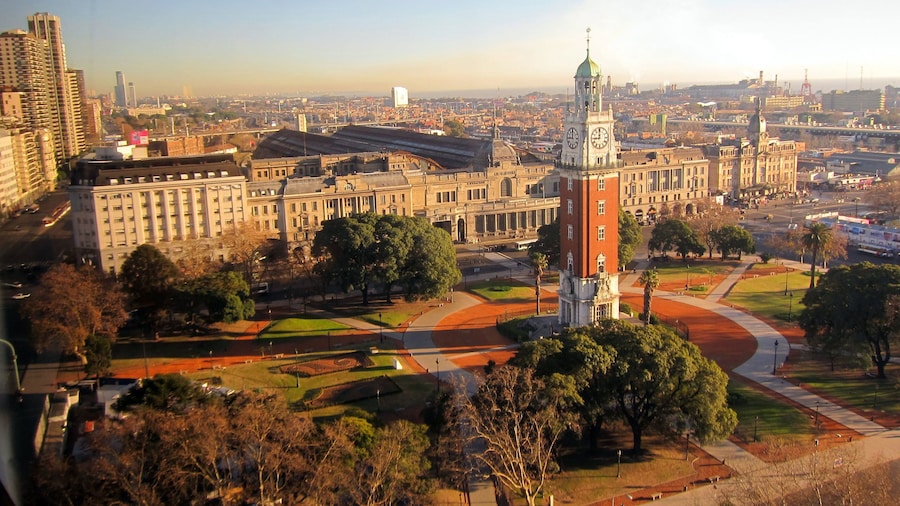
Tur Sorotan Buenos Aires Kelompok Kecil
Rp670.016
per dewasa
96% traveler merekomendasikan ini
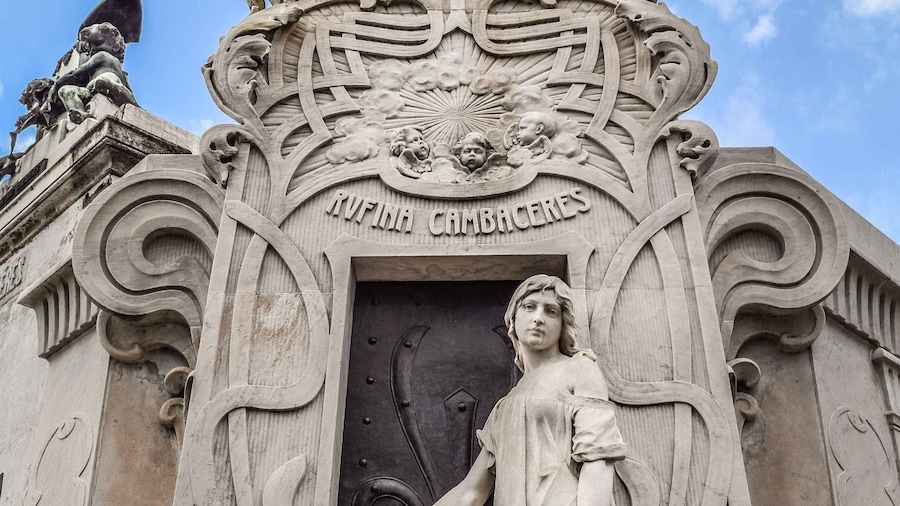
Buenos Aires Tur Pemandu Pemakaman La Recoleta dalam bahasa Inggris
Rp211.584
per dewasa
90% traveler merekomendasikan ini

Dari Buenos Aires: Magis & Misterius Tur ke Campanópolis
Rp952.128
per dewasa
80% traveler merekomendasikan ini
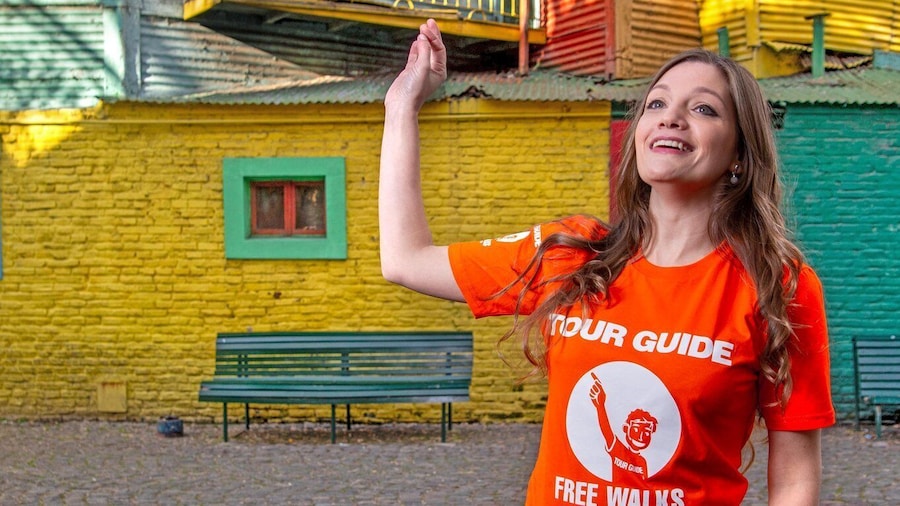
Buenos Aires Tur Jalan Kaki Berpemandu La Boca dalam Bahasa Inggris
Rp229.216
per dewasa
96% traveler merekomendasikan ini
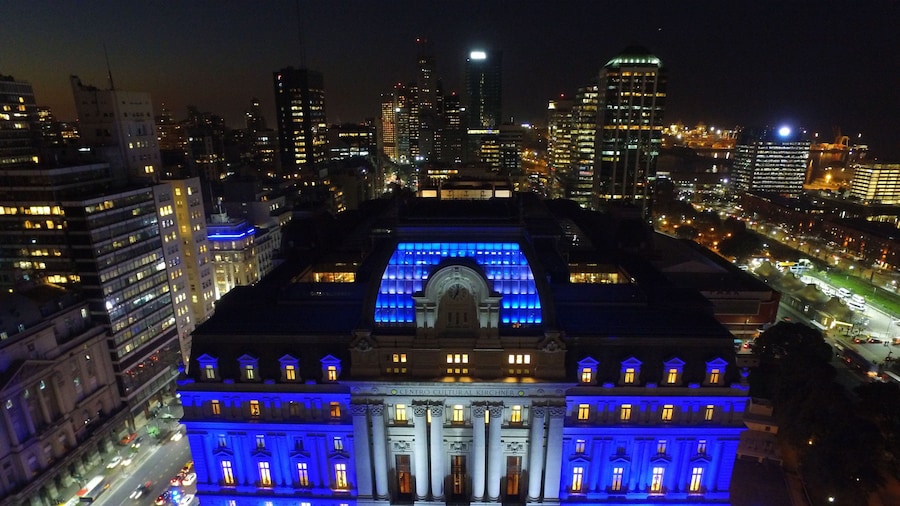
Tur kota premium di Buenos Aires pada malam hari
Rp987.392
per dewasa
96% traveler merekomendasikan ini
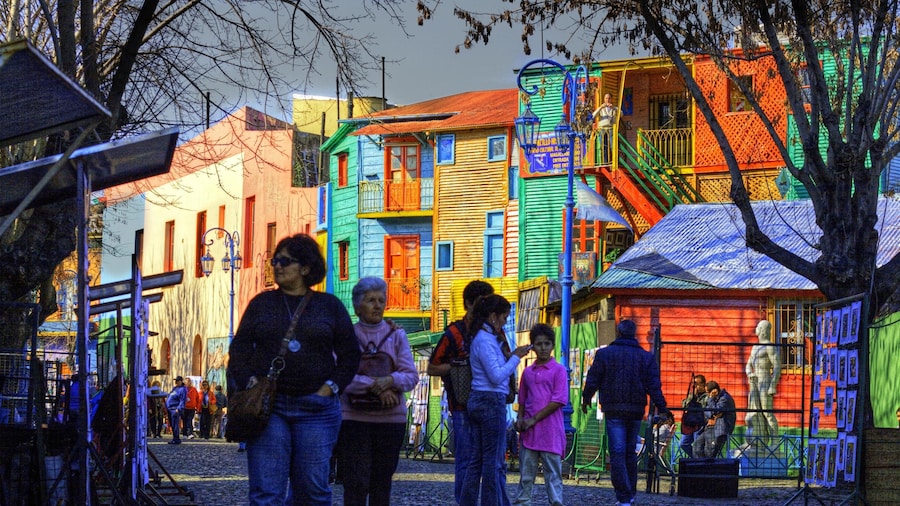
Kota Buenos Aires Tur dengan Bus dengan Penjemputan
Rp599.488
per traveler
74% traveler merekomendasikan ini
 Jelajahi aktivitasJelajahi ribuan pengalaman mulai dari aktivitas dan objek wisata hingga tur sehari dan transportasi.
 Pesan dengan mudahTidak perlu antre - pesan tiket online dalam hitungan menit ke objek wisata terbaik dengan pembatalan gratis untuk banyak aktivitas.
 Manjakan diri AndaMember hemat minimal % saat Anda memesan aktivitas.
Tempat populer untuk dikunjungi
1. Obelisk
Obelisco berdiri menjulang di tengah Buenos Aires. Bangunan ini kemungkinan adalah simbol paling termasyhur di kota. Pilar batu besar yang dikelilingi oleh lampu dan layar TV-nya bisa dibandingkan dengan Times Square di New York. Tiangnya sendiri menyerupai Monumen Washington.
Selengkapnya

2. Palermo Soho
Terkenal karena daya tarik dan kegemerlapannya, Palermo juga merupakan salah satu kawasan paling menawan di Buenos Aires. Butik, restoran dan café berada dalam bangunan unik di sepanjang jalan dengan barisan pohon dan gang berbatu kerikil.
Selengkapnya
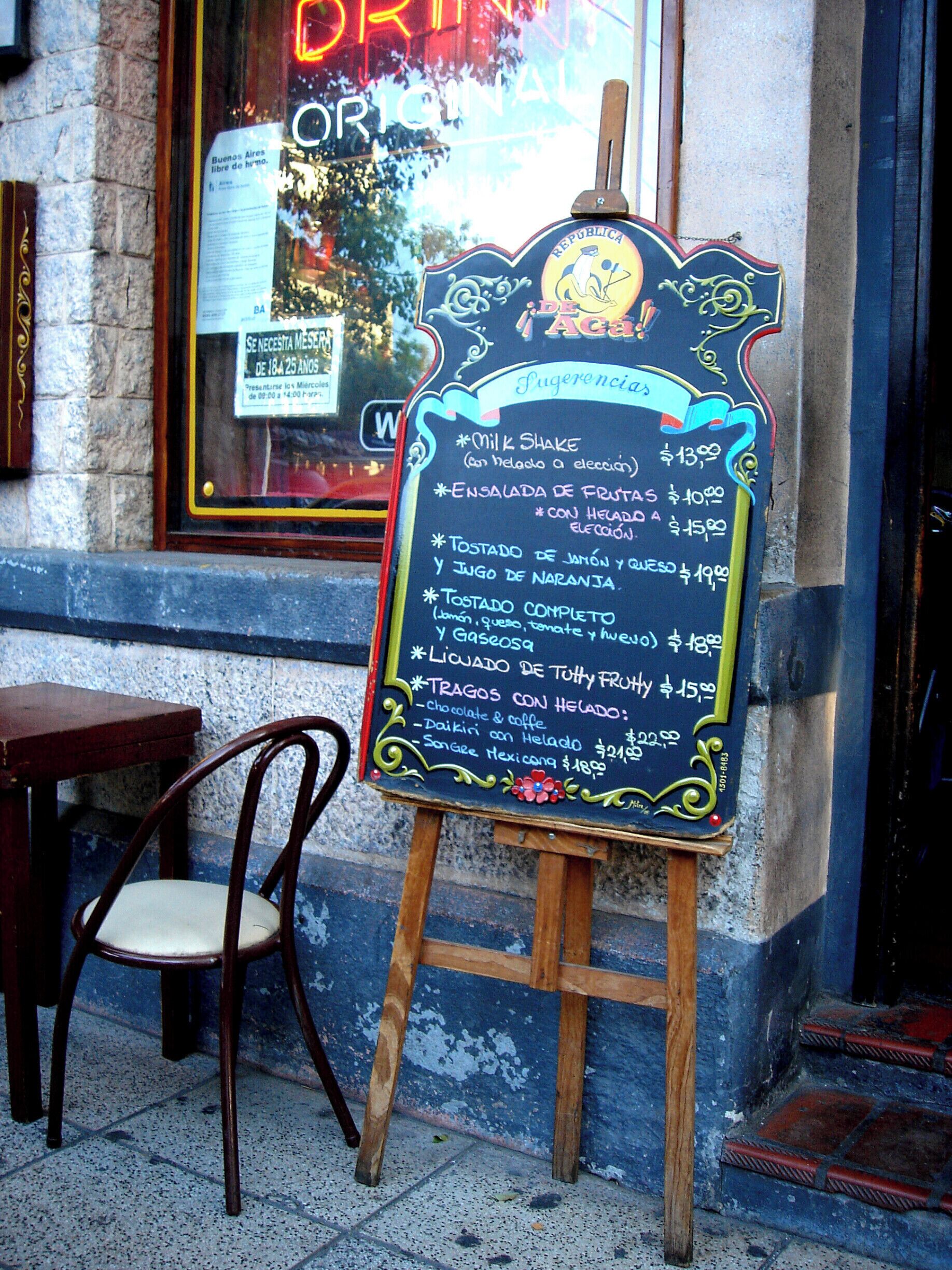
3. Teater Colón
Teatro Colón adalah objek wisata utama di Buenos Aires dan tempat terkenal di dunia untuk opera dan balet. Tempat ini juga menjadi markas Philharmonic Orchestra Buenos Aires dan menyelenggarakan berbagai konser musik klasik. Dibuka pada tahun 1908 dengan pertunjukan Aida karya Giuseppe Verdi, sejak saat itu, teater ini menyambut sejumlah nama termasyhur dalam opera dan balet, di antaranya Feodor Chaliapin, Igor Stravinsky dan Luciano Pavarotti.
Selengkapnya

4. Plaza del Mayo
Dikelilingi berbagai monumen bersejarah dan lokasi unjuk rasa politik serta perayaan nasional, Plaza de Mayo mencerminkan sejarah Buenos Aires dan Argentina yang menawan. Bangunan ini dirancang pada tahun 1580 oleh Juan de Garay saat pendirian kota. Kini lapangan ini dikenal luas sebagai yang terpenting di Argentina.
Selengkapnya

5. Casa Rosada
Tampak depan arsitektur yang berwarna merah muda dan bagaikan istana dari Casa Rosada (Gedung Merah Muda) menjadikannya salah satu bangunan paling ternama dan sering difoto di Argentina. Sebagai bangunan negara ini yang setara dengan Gedung Putih, casa telah menjadi pusat kantor kepresidenan sejak tahun 1860-an. Ikuti jejak langkah para presiden Argentina dan pelajari tentang sejarah politik negara ini.
Selengkapnya
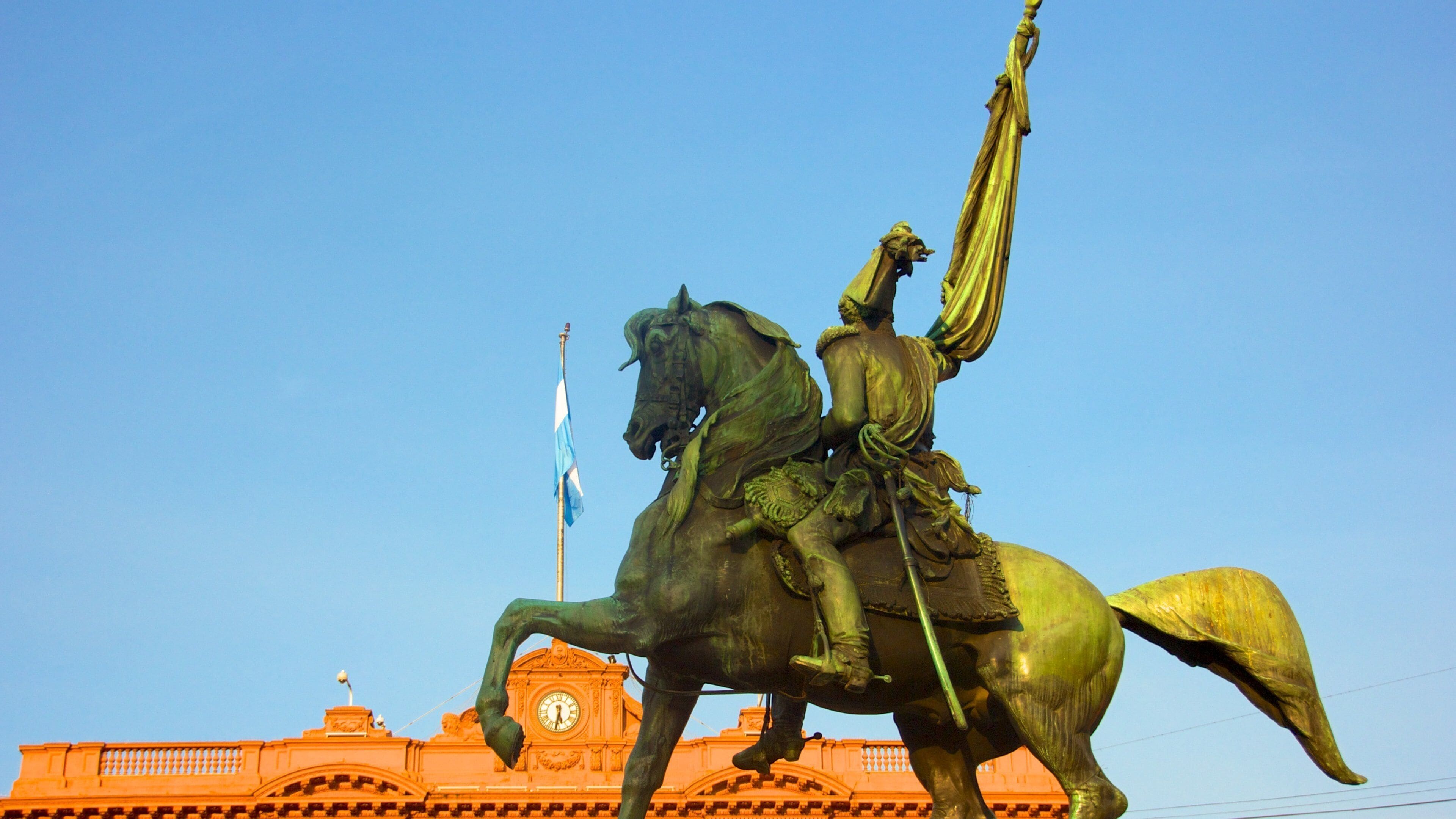
6. La Bombonera
La Bombonera (Kotak Cokelat) adalah stadion milik salah satu klub sepak bola paling termasyhur di Amerika Selatan, Boca Juniors. Nama tersebut diambil dari rancangan uniknya; memiliki satu sisi rata dengan seluruh stadion melengkung di sekelilingnya. Lapangan ini memiliki kapasitas tempat duduk untuk 49.000 orang dan menyelenggarakan pula berbagai konser musik selama bertahun-tahun. Lihatlah museum, kotak VIP dan lukisan saat mengikuti tur di bagian dalam.
Selengkapnya
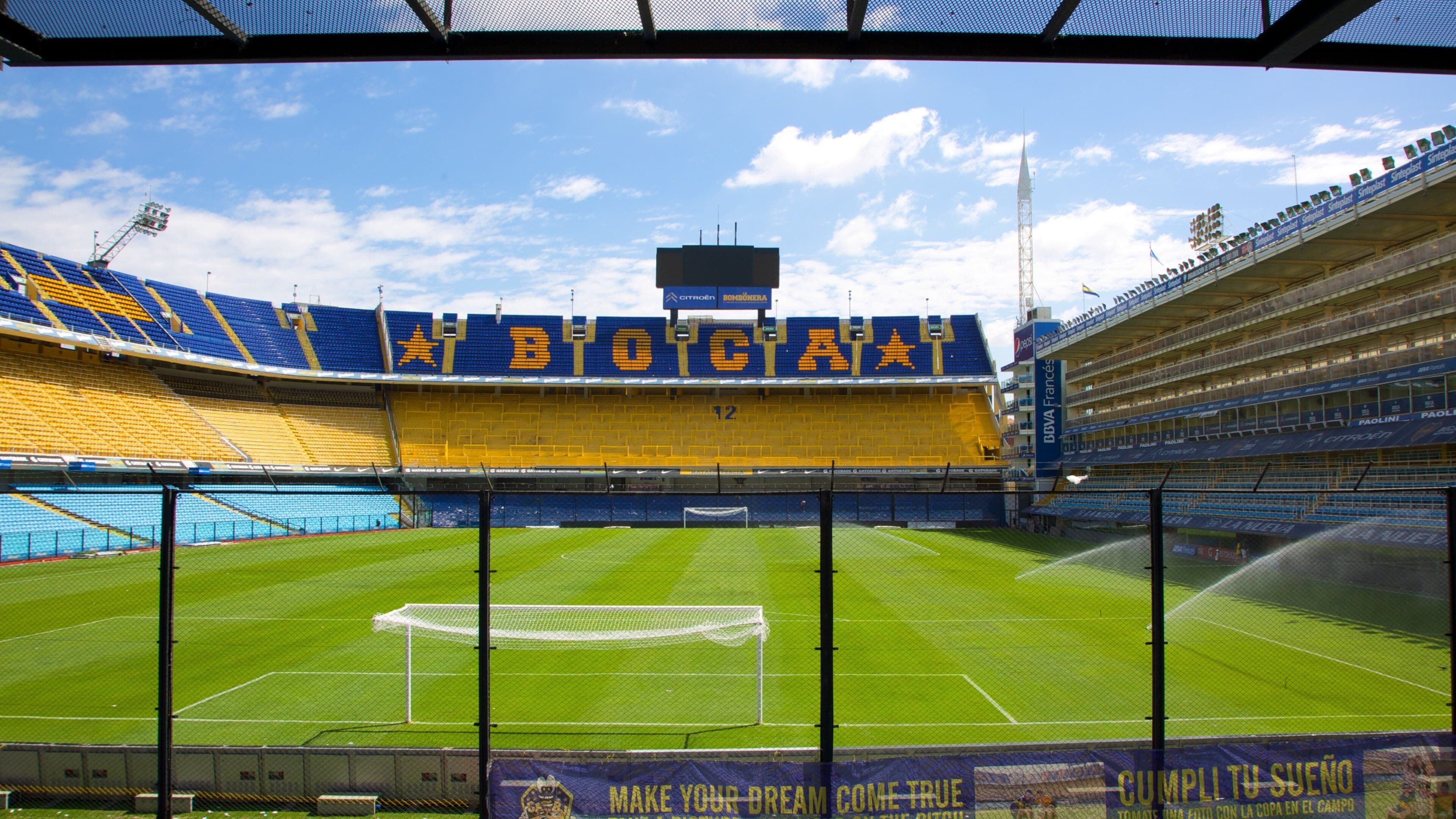
7. Florida Street
Florida Street adalah jalan raya pertokoan paling terkenal di kota ini. Jalan ini merupakan zona bebas lalu lintas yang dipadati berbagai jenis toko. Para pelancong sering mengunjungi jalan ini untuk membeli buah tangan dari perjalanan mereka. Temukan beraneka toko kulit, pedagang dan seniman jalanan. Biasanya Anda dapat membayar dengan menggunakan uang dollar di sini untuk mendapatkan harga yang lebih baik dibandingkan uang resmi peso. Dengan lokasinya yang di tengah kota dan pilihan eklektik berbagai toko, jalan ini menjadi destinasi utama para pelancong di Buenos Aires.
Selengkapnya
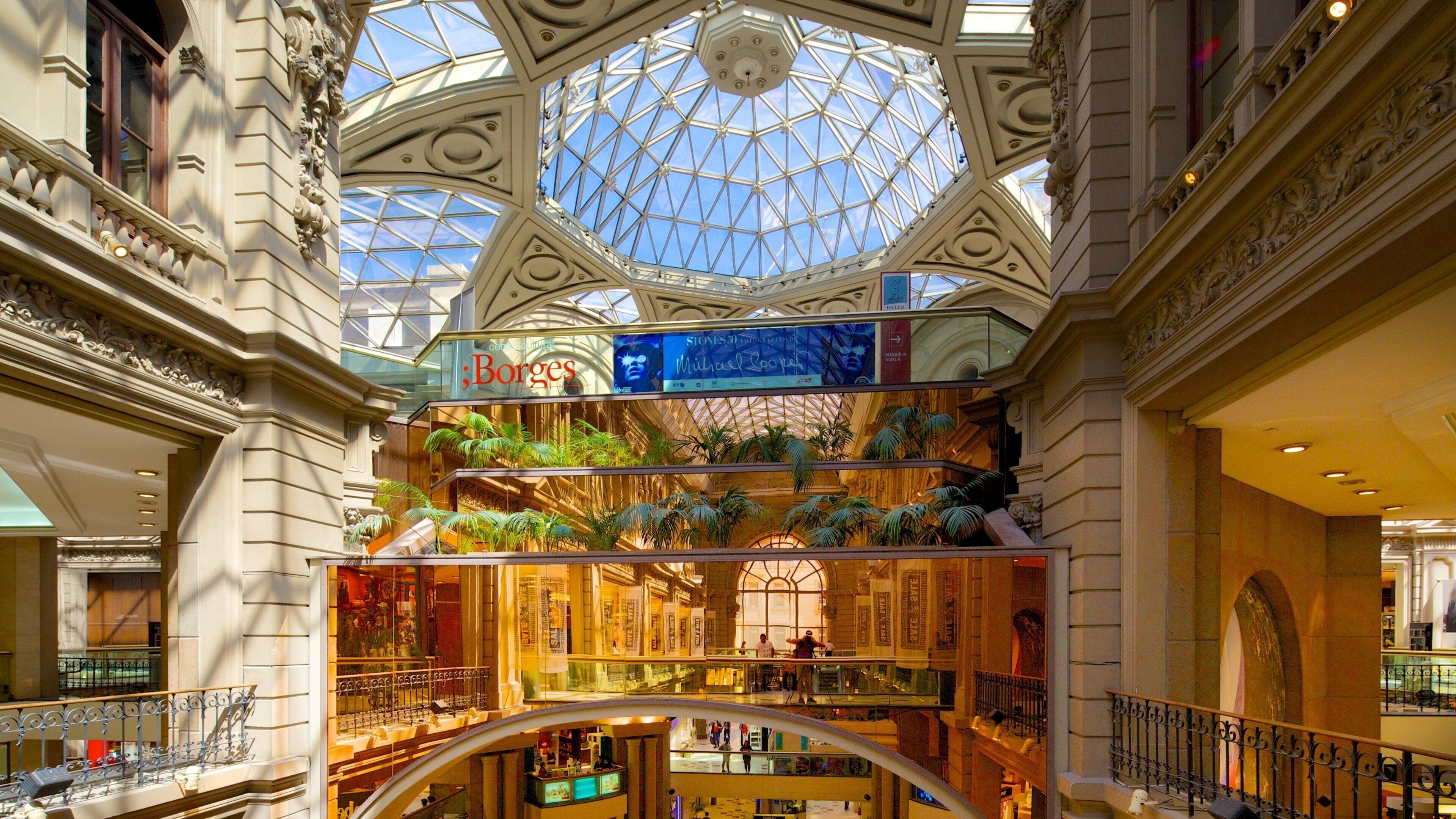
8. Plaza San Martin
San Martin Square, di tengah Buenos Aires, merupakan tempat bersantai yang damai dengan lahan berrumput yang luas, pohon-pohon tua dan jalan setapak yang lebar. Di salah satu sisi taman terdapat berbagai bangunan anggun. Florida Street, sebuah area perbelanjaan ternama, dimulai di pintu masuk lainnya. Lapangan ini menjadi tempat berdirinya monumen tinggi mantan jenderal militer dari abad ke-19 dan monumen peringatan Perang Falklands. Situs ini termasuk dalam situs paling ternama di kota ini.
Selengkapnya
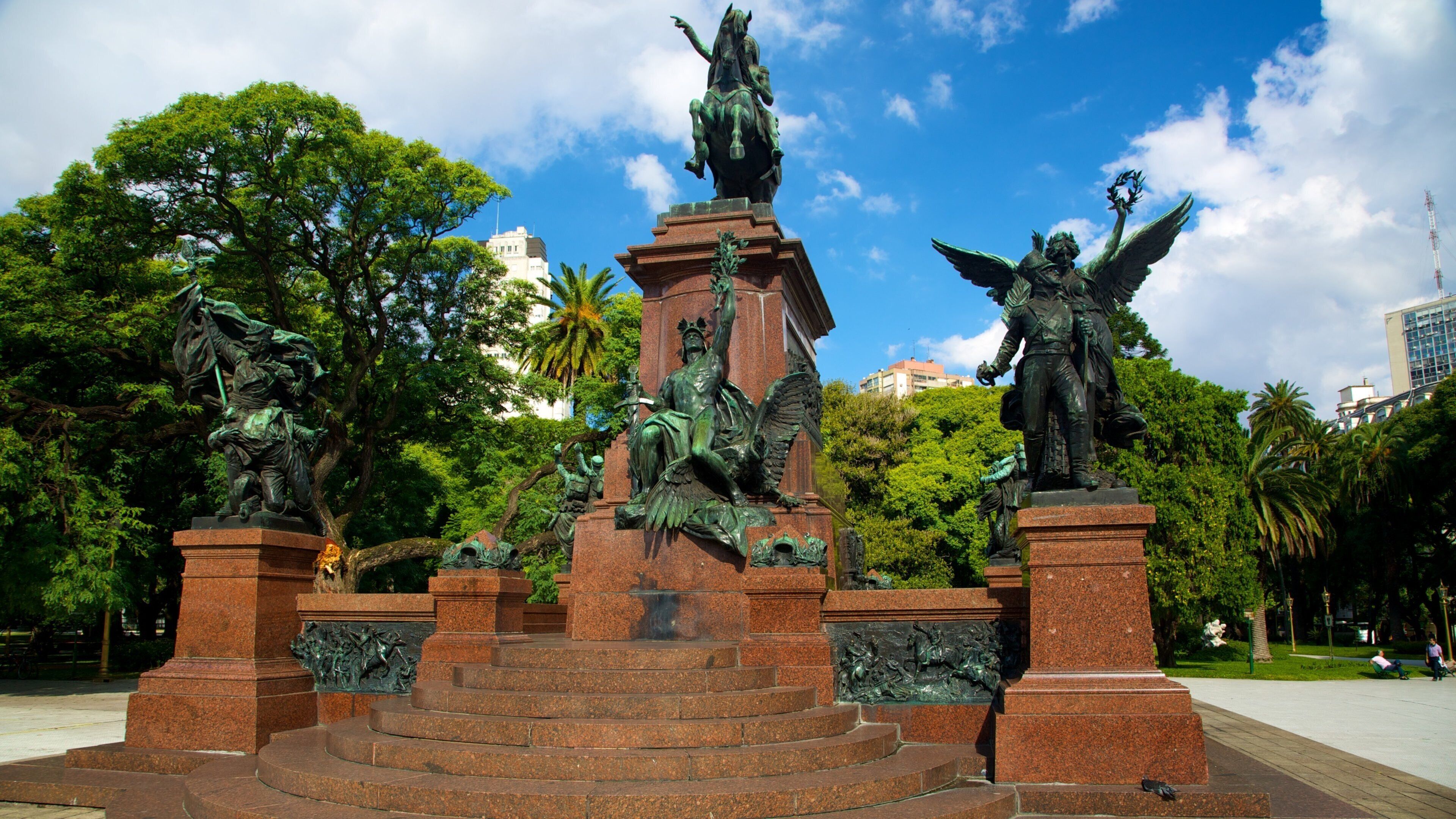
9. Kongres Nasional Argentina
Congreso de la Nacion Argentina (Kongres Nasional) harus dilihat semua wisatawan yang berkunjung ke Buenos Aires yang berminat untuk merasakan sepotong sejarah politik Argentina dan memiliki gairah untuk arsitektur.
Selengkapnya