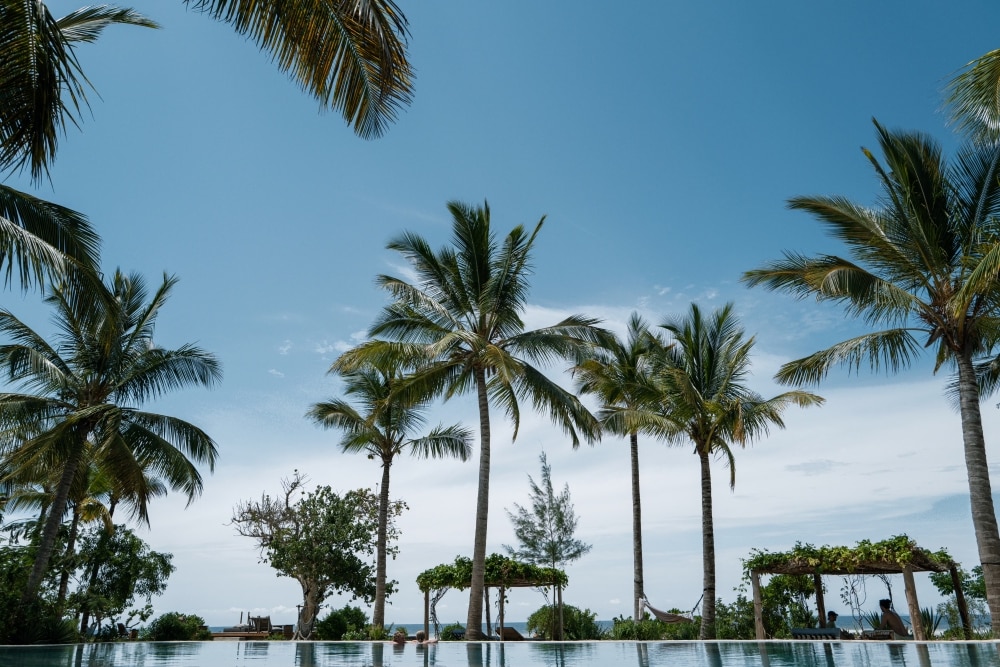

Atraksi wisata di Jawa Tengah
Aktivitas, Atraksi Wisata, dan Tur
Kunjungi Jawa Tengah


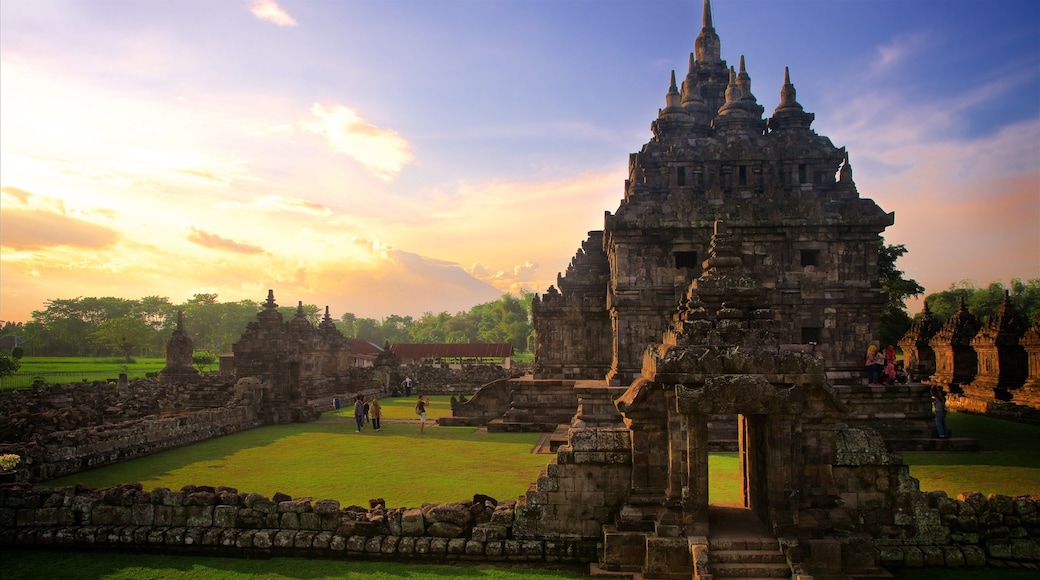
Atraksi wisata
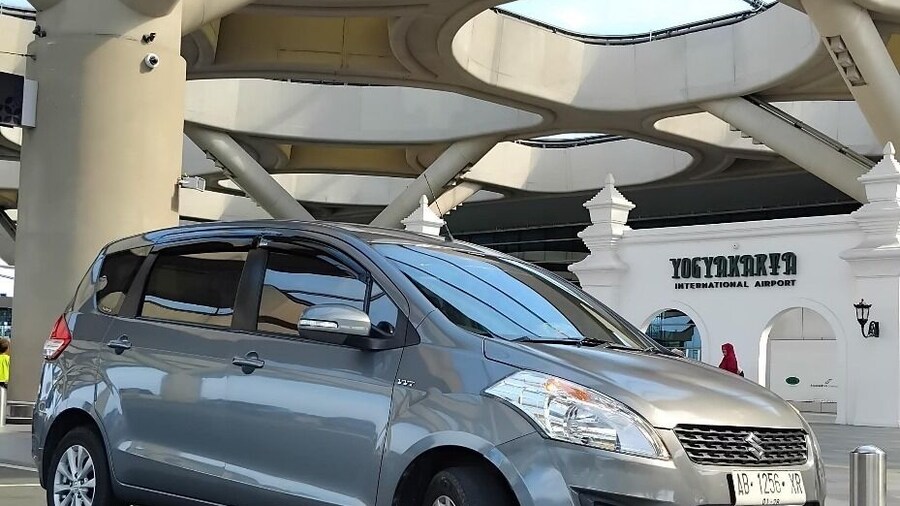
Antar Jemput Bandara Yogyakarta dari/ke Bandara Internasional Yogyakarta (YIA)


Pengalaman Matahari Terbenam di Boko dengan Makan Malam


Yogyakarta: Pendakian Borobudur & Prambanan dengan Pemandu Bersama Tur


Paket Pendakian Borobudur & Prambanan yang Dijamin Tur All-Inclusive

 Jelajahi aktivitasJelajahi ribuan pengalaman mulai dari aktivitas dan objek wisata hingga tur sehari dan transportasi.
 Pesan dengan mudahTidak perlu antre - pesan tiket online dalam hitungan menit ke objek wisata terbaik dengan pembatalan gratis untuk banyak aktivitas.
 Manjakan diri AndaMember hemat minimal % saat Anda memesan aktivitas.
Penginapan dekat objek wisata populer di Jawa Tengah
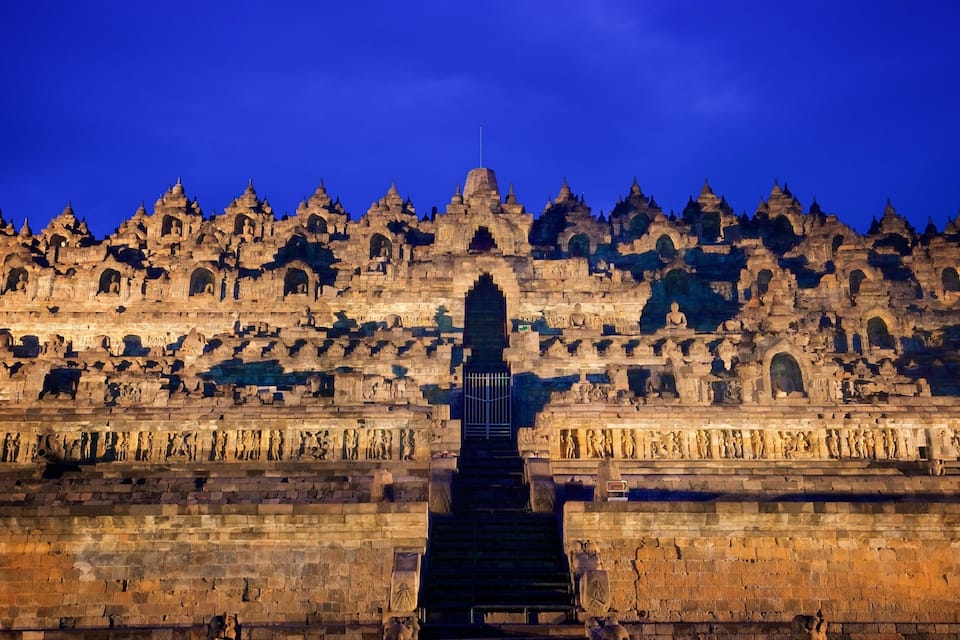
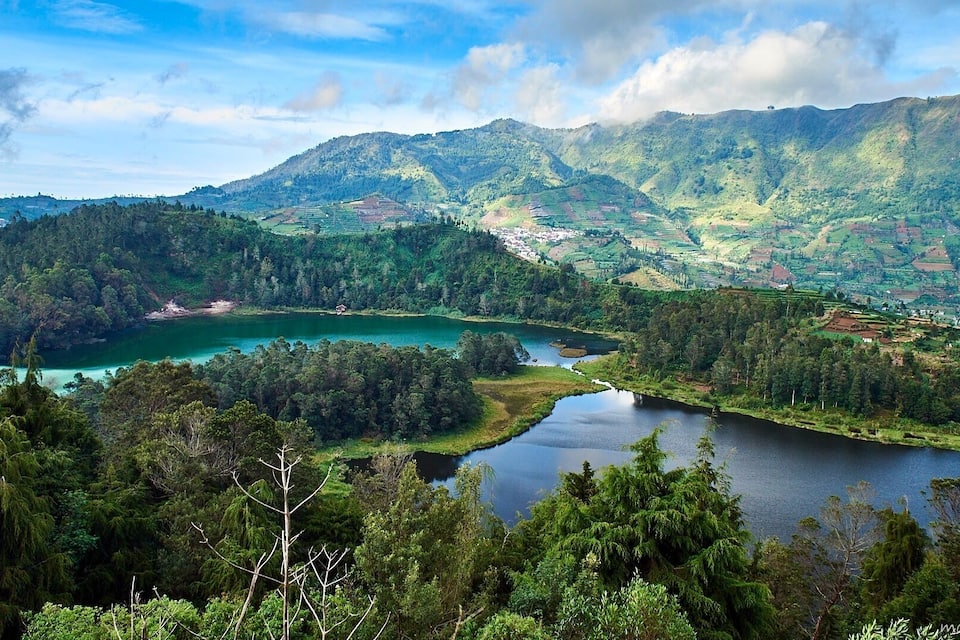
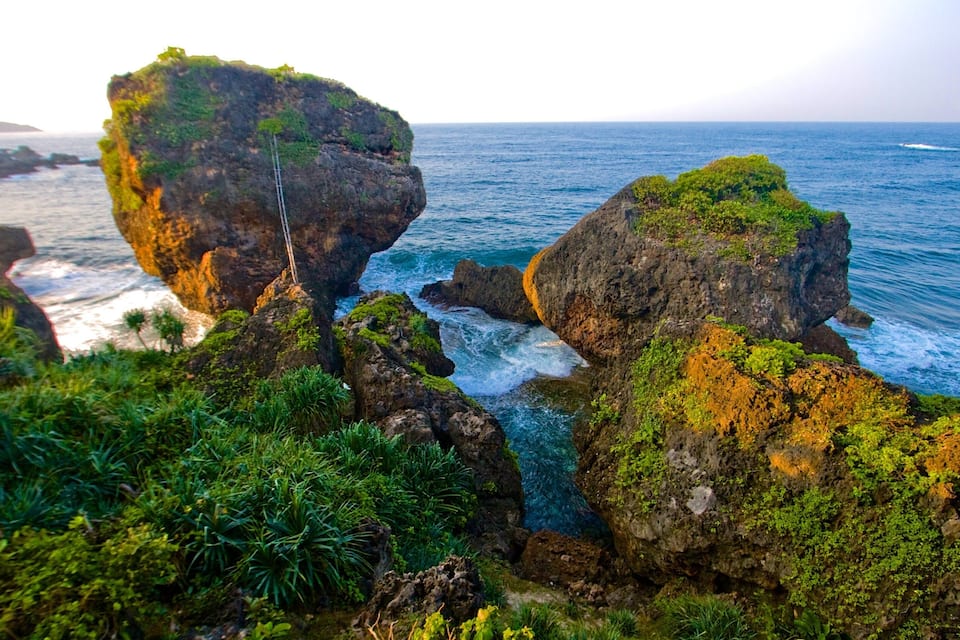

Tempat menginap di Jawa Tengah
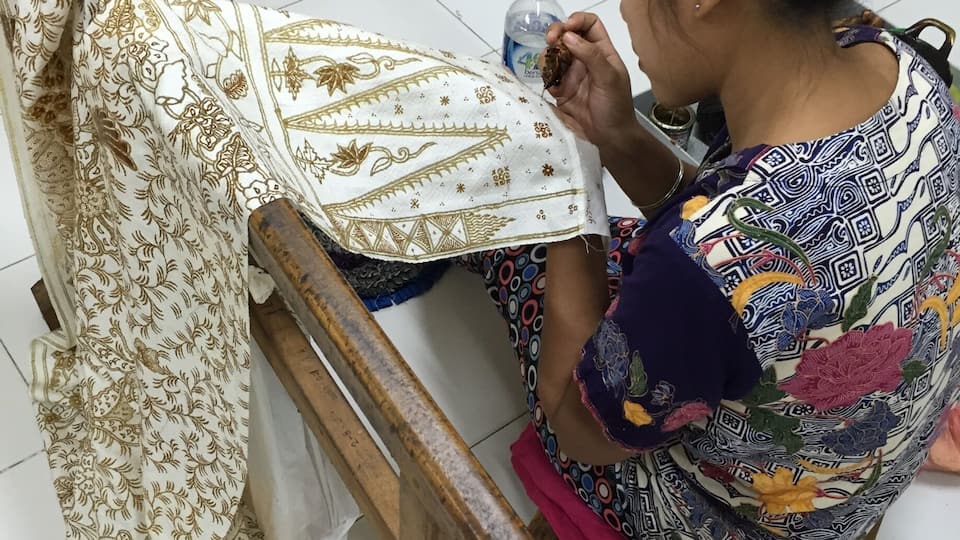
Pusat Kota Solo
Anda akan menikmati museum dan kebun binatang yang ada di Pusat Kota Solo. Luangkan juga waktu Anda untuk singgah di Solo Paragon Lifestyle Mall atau Taman Keprabon.
Simpang Lima
Singgahi sejumlah tempat yang menarik seperti Simpang Lima dan Mal Ciputra Semarang saat berkunjung ke Simpang Lima.
Kota Lama Semarang
Kota Lama Semarang termasyhur karena pusat perbelanjaan yang dimilikinya. Selain itu, Anda juga dapat berkunjung ke tempat wisata unggulan seperti Kota Lama Semarang dan Semarang Contemporary Art Gallery.
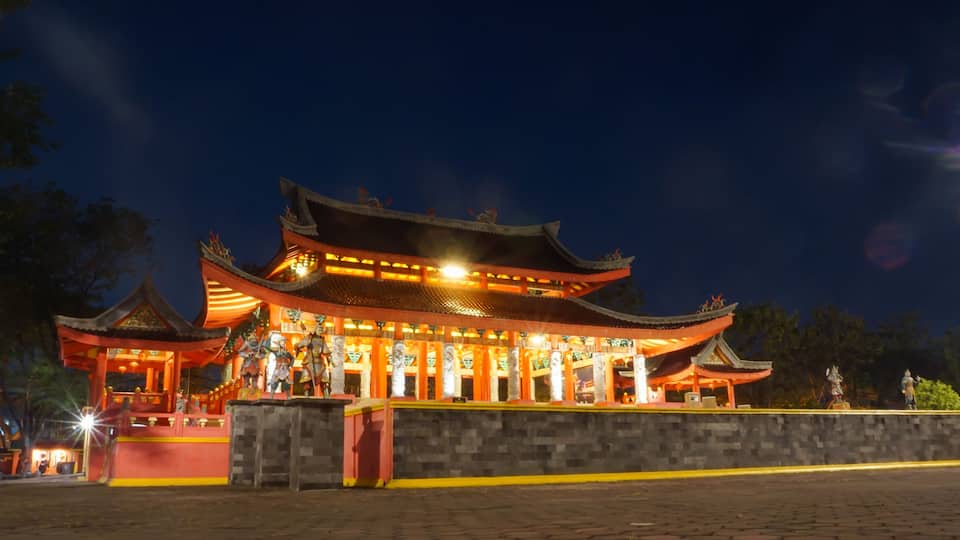
Semarang Barat
Semarang Barat mungkin tidak memiliki banyak tempat wisata unggulan, tetapi terdapat tempat menarik yang patut dikunjungi seperti Lawang Sewu dan DP Mall Semarang di kawasan sekitar.
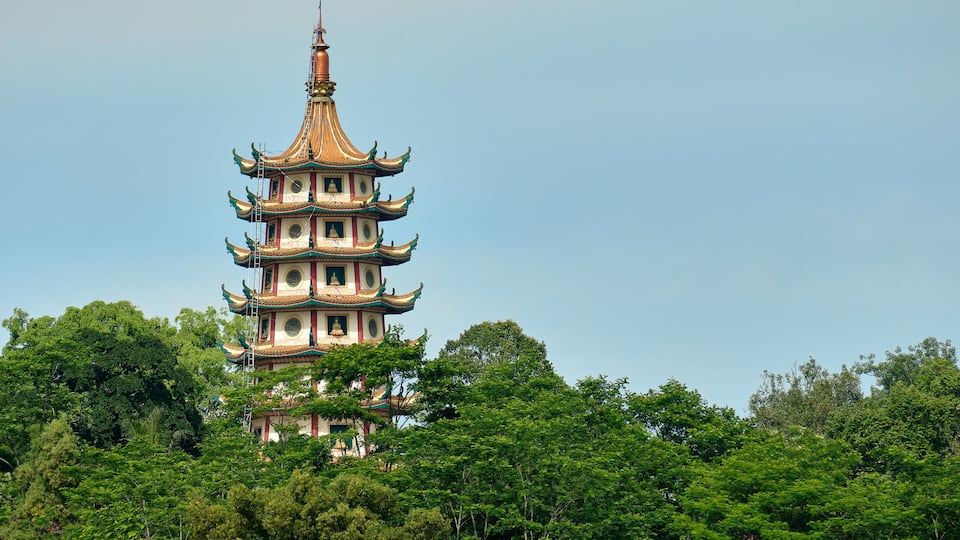
Banyumanik
Singgahi sejumlah tempat yang menarik seperti Transmart Setiabudi Semarang dan Pagoda Avalokitesvara saat berkunjung ke Banyumanik.


Jelajahi dunia perjalanan dengan Expedia
- Hotel Bintang 2 di Cilacap
- Hotel Bintang 3 di Cilacap
- Hotel Bintang 4 di Cilacap
- Hotel Bintang 4 di Kebumen
- Hotel Bintang 5 di Cilacap
- Hotel di Candi
- Hotel di Kebasen
- Hotel di Kebumen
- B&B di Kejajar
- Rumah Penginapan di Kejajar
- Vila di Kejajar
- Hostel di Purwodadi
- Hotel Independent di Purwodadi
- Hotel OYO Rooms di Purwodadi
- Hotel di Salatiga
- Hotel Independent di Tahunan
- Hotel OYO Rooms di Tahunan
- Penginapan di Tahunan
- Hotel di Tambakmulya
- Hotel Independent di Temanggung
- Rental mobil di Cilacap
- Rental mobil di Magelang
- Rental mobil di Pekalongan
- Rental mobil di Purwokerto
- Rental mobil di Solo
- Rental Mobil Ekonomi di Kudus
- Rental Mobil Ekonomi di Semarang
- Rental Mobil Mewah di Kudus
- Mobil Rental Maggiore di Kudus
- Mobil Rental Mex Rent A Car di Kudus
- Rental Mobil Pickup di Pekalongan
- Mobil Rental Redspot di Kudus
- Mobil Rental Sicily By Car di Kudus
- Rental Mobil SUV di Kudus
- Mobil Rental ZezGo di Kudus
- Atraksi wisata di Baki
- Atraksi wisata di Borobudur
- Atraksi wisata di Colomadu
- Atraksi wisata di Grogol
- Atraksi wisata di Kaliurang
- Atraksi wisata di Karanganyar
- Atraksi wisata di Kartosuro
- Atraksi wisata di Klaten
- Atraksi wisata di Laweyan
- Atraksi wisata di Magelang
- Atraksi wisata di Mendut
- Atraksi wisata di Pringsurat
- Atraksi wisata di Solo