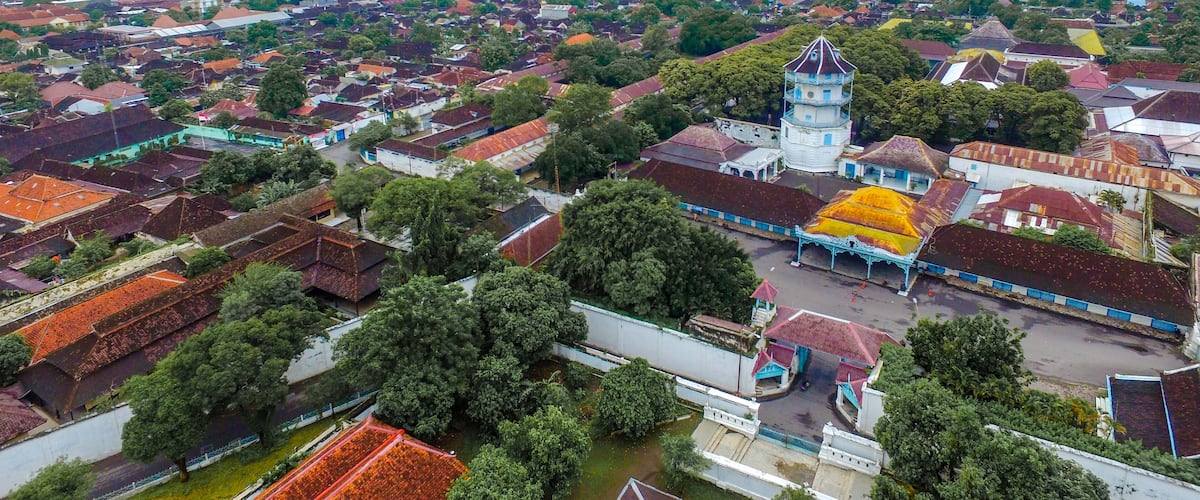
Foto oleh Sharrie Shaw
Temukan Hotel Bintang 4 di Solo mulai dari mulai dari Rp578.001
- Berubah pikiranPesan hotel dengan pembatalan gratis
- Banyak pilihanCari di hampir jutaan properti di seluruh dunia
Cek ketersediaan Hotel Bintang 4 di Solo
Malam ini
Besok
Akhir pekan berikutnya
Dalam dua minggu
Pilihan terbaik kami untuk hotel bintang 4 di Solo
Harga sekarang Rp557.851
total Rp675.000
termasuk pajak & biaya lainnya
17 Des - 18 Des
Harga sekarang Rp743.801
total Rp899.999
termasuk pajak & biaya lainnya
4 Jan - 5 Jan 2026
Harga sekarang Rp477.686
total Rp578.001
termasuk pajak & biaya lainnya
15 Des - 16 Des

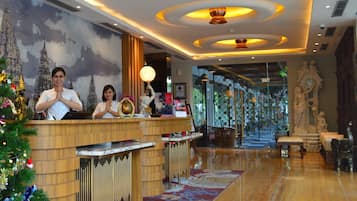
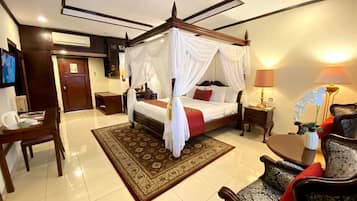
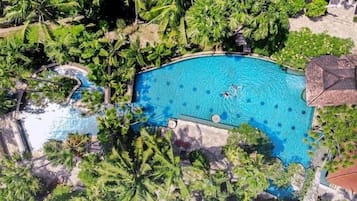
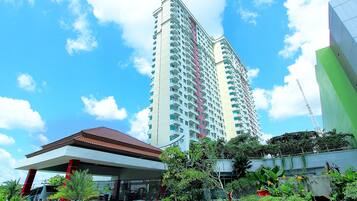
The Alana Hotel and Convention Center - Solo by Aston
The Alana Hotel and Convention Center - Solo by AstonColomadu
8.2 dari 10, Sangat Baik, (62)
Harga sekarang Rp868.581
total Rp1.050.983
termasuk pajak & biaya lainnya
21 Des - 22 Des

10.0 dari 10, Sempurna, (1)
Harga sekarang Rp1.245.124
total Rp1.506.599
termasuk pajak & biaya lainnya
11 Jan - 12 Jan 2026
Harga sekarang Rp487.705
total Rp590.124
termasuk pajak & biaya lainnya
15 Des - 16 Des

6.0 dari 10, (2)
Harga sekarang Rp685.950
total Rp830.000
termasuk pajak & biaya lainnya
4 Jan - 5 Jan 2026

8.2 dari 10, Sangat Baik, (79)
Hemat rata-rata 15% untuk ribuan hotel saat Anda login
Jelajahi hotel bintang 5 yang serupa
Banyak hotel bintang 5 memiliki fasilitas yang sama dengan hotel bintang 4. Lihat semua hotel bintang 5 di Solo.

Alila Solo, Java
Jl. Slamet Riyadi No. 562 Surakarta Central Java
Harga Rp1.000.000 per malam dari 5 Jan hingga 6 Jan
Rp1.000.000
total Rp1.210.000
5 Jan - 6 Jan 2026
termasuk pajak & biaya lainnya
9,2/10 Wonderful! (134 ulasan)
Masih belum melihat apa yang Anda cari?
Lihat semua properti di Solo.
Anda juga dapat menggunakan filter populer untuk mempersempit pencarian Anda.
Harga per malam terendah yang ditemukan dalam 24 jam terakhir berdasarkan pencarian 1 malam untuk 2 tamu dewasa. Harga dan ketersediaan dapat berubah sewaktu-waktu. Ketentuan tambahan dapat berlaku.
Ulasan Hotel Teratas di Solo
Ketahui lebih lanjut tentang Solo
Panduan Saku: Hotel Bintang 4 di Solo
Cari hotel di Solo, di Expedia.co.id. Anda dapat dengan mudah menemukan hotel di Solo menggunakan salah satu metode berikut:
- Lihat pilihan hotel unggulan kami di Solo
- Gunakan peta untuk menemukan hotel di lingkungan Solo yang Anda sukai
- Gunakan filter untuk melihat hotel pada area spesifik di Solo, pilih tema tertentu, merek, atau kelas hotel dari hotel dasar (Bintang 1) hingga hotel mewah (Bintang 5) di Solo
- Masukkan tanggal perjalanan Anda untuk melihat tawaran terbaik untuk hotel di Solo - selagi masih ada
Jelajahi dunia perjalanan dengan Expedia
Hotel di Solo berdasarkan Peringkat Bintang
Hotel di Kawasan Solo
Dekat Objek Wisata
- Hotel dekat Solo Paragon Lifestyle Mall
- Hotel dekat UMS
- Hotel dekat Universitas Sebelas Maret
- Hotel dekat Universitas Muhammadiyah Surakarta
- Hotel dekat Istana Mangkunegaran
- Hotel dekat Kraton Surakarta
- Hotel dekat Pasar Klewer
- Hotel dekat Pasar Gede
- Hotel dekat The Heritage Palace
- Hotel dekat Solo Square
- Hotel dekat Taman Kota Balekambang
- Hotel dekat Museum Batik Danar Hadi
- Hotel dekat Taman Sriwedari
- Hotel dekat Pasar Klewer
- Hotel dekat Nakamura Klinik
- Hotel dekat Perpustakaan Museum Radya
- Hotel dekat Masjid Agung Surakarta
- Hotel dekat Museum Radya Pustaka
- Hotel dekat Taman Nasional Gunung Merapi
- Hotel dekat De' Tjolomadoe
Akomodasi lainnya di Solo
Hotel Terpopuler di Solo
- Swiss-Belinn Saripetojo Solo
- Diamond Hotel Solo
- Red Chilies Hotel
- Front One Budget Hotel Slamet Riyadi Solo
- Hotel Bintang Solo
- Hotel Indah Palace Solo
- Comfort Centre Residence Solo
- Dparagon Kerten
- Collection O Solo near Universitas Muhammadiyah Surakarta formerly Kedaton Home
- ZG Homestay Solo
- favehotel Manahan - Solo
- Aston Solo
- GRAND ORCHID HOTEL SOLO
- HARRIS Hotel & Conventions Solo
- Hotel Asia
- Zest Parang Raja Solo by Swiss-Belhotel International
- Loji Hotel Solo by Wstay
- Arini Hotel
Tren Terbaru Expedia
Hotel
- Hotel di Brebes
- Hotel di Slawi
- Hotel di Batang
- Hotel di Bandungan
- Hotel di Gombong
- Hotel di Pemalang
- Hotel di Magelang
- Hotel di Kutoarjo
- Hotel di Pekalongan
- Hotel di Kudus
- Hotel di Tegal
- Hotel di Majenang
- Hotel di Kebumen
- Hotel di Wonosobo
- Hotel Bintang 5 di Kaliurang
- Hotel di Jepara
- Hotel di Pati
- Hotel di Salatiga
- Hotel di Baturaden
- Hotel di Tawangmangu
- Hotel di Purwokerto
- Hotel di Jatibarang
- Hotel di Dieng Kulon
- Hotel di Purbalingga
- Hotel di Purwodadi
- Hotel di Cilacap
- Hotel di Temanggung
![At the museum no photos are allowed which is really unfortunate as it was well worth the visit and the guided tour is definitely not to be missed. In the museum there are even Batik made from the Dutch era which depicts stories like Little Red Riding Hood and Snow White!
I enjoyed the tour v much and at the end of the tour we were brought to this room where the artisan were working on hand drawn batik.
Below is an excerpt from Wikipedia for anyone interested in learning more about the process of batik making.
Firstly, a cloth is washed, soaked and beaten with a large mallet. Patterns are drawn with pencil and later redrawn using hot wax, usually made from a mixture of paraffin or bees wax, sometimes mixed with plant resins, which functions as a dye-resist. The wax can be applied with a variety of tools. A pen-like instrument called a canting (IPA: [tʃantiŋ], sometimes spelled with old Dutch orthography tjanting) is the most common. A canting is made from a small copper reservoir with a spout on a wooden handle. The reservoir holds the resist which flows through the spout, creating dots and lines as it moves. For larger patterns, a stiff brush may be used. Alternatively, a copper block stamp called a cap (IPA: [tʃap]; old spelling tjap) is used to cover large areas more efficiently.
After the cloth is dry, the resist is removed by scraping or boiling the cloth. The areas treated with resist keep their original color; when the resist is removed the contrast between the dyed and undyed areas forms the pattern. This process is repeated as many times as the number of colors desired.
The most traditional type of batik, called batik tulis (written batik), is drawn using only the canting. The cloth need to be drawn on both sides and dipped in a dye bath three to four times. The whole process may take up to a year; it yields considerably finer patterns than stamped batik.
Source: Wikipedia](https://images.trvl-media.com/place/6224808/26fd1460-c65a-4c1a-9444-7a893e883ac9.jpg?impolicy=fcrop&w=1200&h=500&q=medium)


![At the museum no photos are allowed which is really unfortunate as it was well worth the visit and the guided tour is definitely not to be missed. In the museum there are even Batik made from the Dutch era which depicts stories like Little Red Riding Hood and Snow White!
I enjoyed the tour v much and at the end of the tour we were brought to this room where the artisan were working on hand drawn batik.
Below is an excerpt from Wikipedia for anyone interested in learning more about the process of batik making.
Firstly, a cloth is washed, soaked and beaten with a large mallet. Patterns are drawn with pencil and later redrawn using hot wax, usually made from a mixture of paraffin or bees wax, sometimes mixed with plant resins, which functions as a dye-resist. The wax can be applied with a variety of tools. A pen-like instrument called a canting (IPA: [tʃantiŋ], sometimes spelled with old Dutch orthography tjanting) is the most common. A canting is made from a small copper reservoir with a spout on a wooden handle. The reservoir holds the resist which flows through the spout, creating dots and lines as it moves. For larger patterns, a stiff brush may be used. Alternatively, a copper block stamp called a cap (IPA: [tʃap]; old spelling tjap) is used to cover large areas more efficiently.
After the cloth is dry, the resist is removed by scraping or boiling the cloth. The areas treated with resist keep their original color; when the resist is removed the contrast between the dyed and undyed areas forms the pattern. This process is repeated as many times as the number of colors desired.
The most traditional type of batik, called batik tulis (written batik), is drawn using only the canting. The cloth need to be drawn on both sides and dipped in a dye bath three to four times. The whole process may take up to a year; it yields considerably finer patterns than stamped batik.
Source: Wikipedia](https://images.trvl-media.com/place/6224808/26fd1460-c65a-4c1a-9444-7a893e883ac9.jpg?impolicy=fcrop&w=300&h=400&p=1&q=high)