

![At the museum no photos are allowed which is really unfortunate as it was well worth the visit and the guided tour is definitely not to be missed. In the museum there are even Batik made from the Dutch era which depicts stories like Little Red Riding Hood and Snow White!
I enjoyed the tour v much and at the end of the tour we were brought to this room where the artisan were working on hand drawn batik.
Below is an excerpt from Wikipedia for anyone interested in learning more about the process of batik making.
Firstly, a cloth is washed, soaked and beaten with a large mallet. Patterns are drawn with pencil and later redrawn using hot wax, usually made from a mixture of paraffin or bees wax, sometimes mixed with plant resins, which functions as a dye-resist. The wax can be applied with a variety of tools. A pen-like instrument called a canting (IPA: [tʃantiŋ], sometimes spelled with old Dutch orthography tjanting) is the most common. A canting is made from a small copper reservoir with a spout on a wooden handle. The reservoir holds the resist which flows through the spout, creating dots and lines as it moves. For larger patterns, a stiff brush may be used. Alternatively, a copper block stamp called a cap (IPA: [tʃap]; old spelling tjap) is used to cover large areas more efficiently.
After the cloth is dry, the resist is removed by scraping or boiling the cloth. The areas treated with resist keep their original color; when the resist is removed the contrast between the dyed and undyed areas forms the pattern. This process is repeated as many times as the number of colors desired.
The most traditional type of batik, called batik tulis (written batik), is drawn using only the canting. The cloth need to be drawn on both sides and dipped in a dye bath three to four times. The whole process may take up to a year; it yields considerably finer patterns than stamped batik.
Source: Wikipedia](https://images.trvl-media.com/place/6224808/26fd1460-c65a-4c1a-9444-7a893e883ac9.jpg?impolicy=fcrop&w=1200&h=500&q=medium)
Foto oleh Sharrie Shaw
Cari Taman Liburan di Solo
 Berubah pikiranPesan hotel dengan pembatalan gratis
 Banyak pilihanCari di hampir jutaan properti di seluruh dunia
Periksa harga untuk tanggal ini
Akhir pekan berikutnya
Dalam dua minggu
Dalam satu bulan
Dalam dua bulan
Tidak ada yang cocok, tetapi alternatif ini mungkin tepat
Hotel yang direkomendasikan di Solo
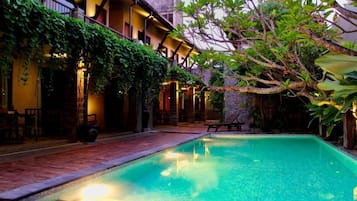


9.0 dari 10, Istimewa, (9)
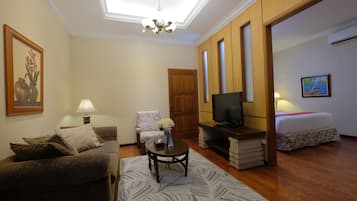
"staff yg ramah dan helpful, restoran yg enak, namun kebersihan kamar harus lebih ditingkatkan terutama untuk balkon pribadi"

HAPPIE
Harga sekarang Rp1.115.702
total Rp1.349.999
termasuk pajak & biaya lainnya
5 Jan - 6 Jan 2026

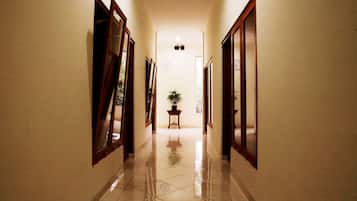

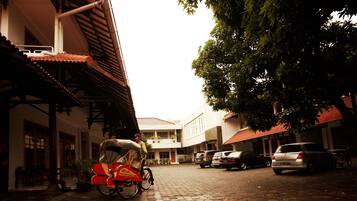
7.6 dari 10, Bagus, (8)
"Ini ketiga kalinya kami menginap di Arini. Lokasinya yang berada di jalur perjalanan mudik ke Jawa Timur membuat kami dengan mudah singgah untuk transit lalu melanjutkan perjalanan keesokan harinya tanpa harus keluar dari jalur.
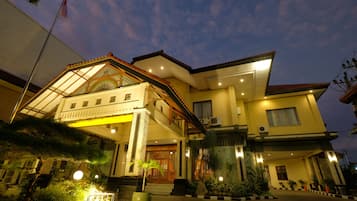
Pelayanan yang ramah, hotel bersih, sarapan yang lebih dari cukup membuat menginap di hotel Arini menyenangkan."
Traveler anonim
Harga sekarang Rp212.809
total Rp257.499
termasuk pajak & biaya lainnya
22 Des - 23 Des
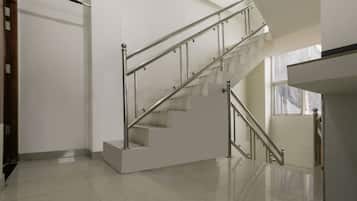
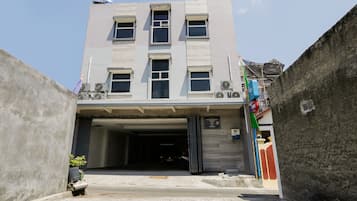


10.0 dari 10, Sempurna, (1)
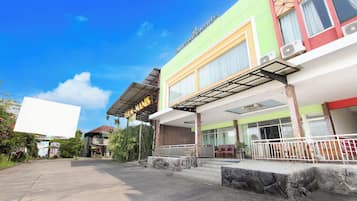
"慣れている人にとってはとても安価で良い滞在先になります。私はこの値段でこの設備なら大満足です。洗濯は翌日仕上げ3キロで300円、ホットシャワー、エアコン付きでこの値段は嬉しいです。共同の冷蔵庫もあり部屋にはテレビもあります。が、湯沸かしポットやカップ、石鹸などのアメニティは皆無です。ちょっと色がくすんだタオルがあるのみです。お湯も時々止まったりします。
そういうのがツライ人はお金を払ってもっと高級なホテルに泊まりましょう。"

Traveler anonim
Harga sekarang Rp119.127
total Rp150.100
termasuk pajak & biaya lainnya
19 Des - 20 Des
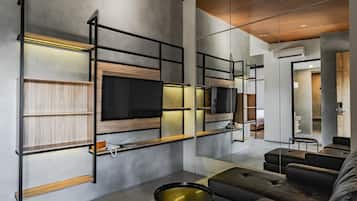



10.0 dari 10, Sempurna, (1)
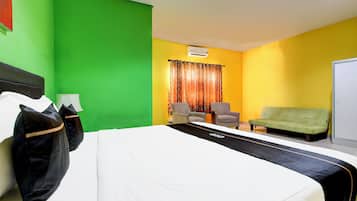
"Das Personal war freundlich, die Zimmer sahen schön aus und generell macht das Hotel einen guten Eindruck.
Auch lag das Hotel in der Nähe der Pakuwon-Mall, was sehr praktisch war."

Andreas
Harga sekarang Rp775.537
total Rp938.400
termasuk pajak & biaya lainnya
4 Jan - 5 Jan 2026
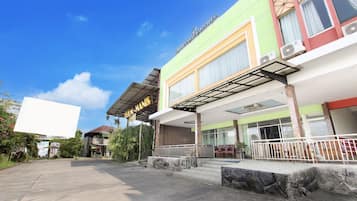
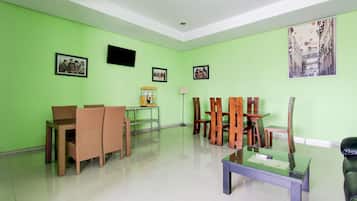
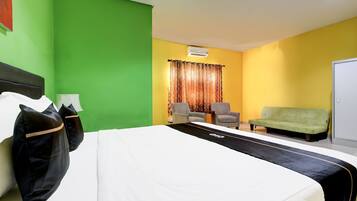

Harga sekarang Rp92.044
total Rp111.372
termasuk pajak & biaya lainnya
9 Jan - 10 Jan 2026




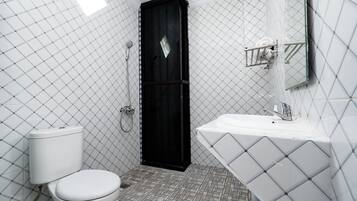
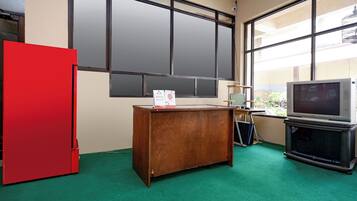
Harga sekarang Rp122.196
total Rp147.858
termasuk pajak & biaya lainnya
19 Des - 20 Des
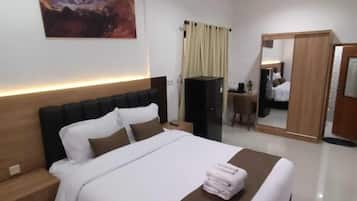


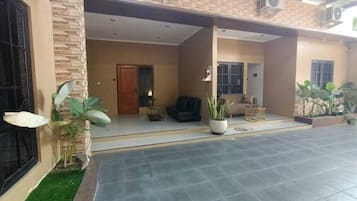
Harga sekarang Rp289.256
total Rp350.001
termasuk pajak & biaya lainnya
19 Des - 20 Des
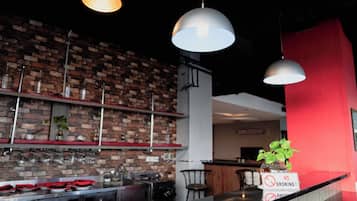

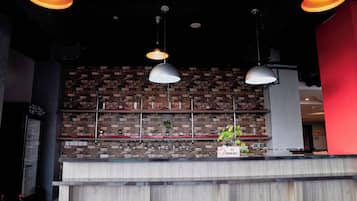


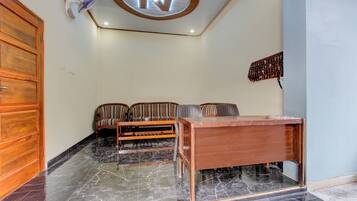


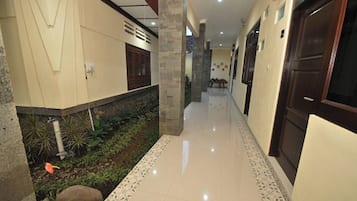
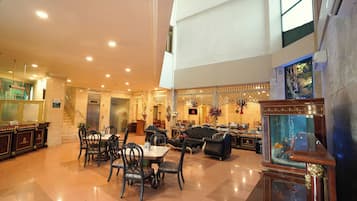


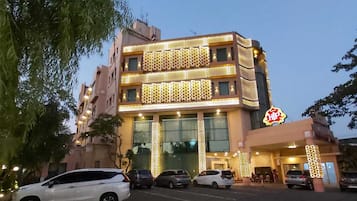


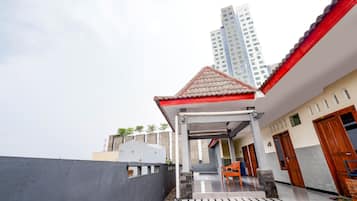








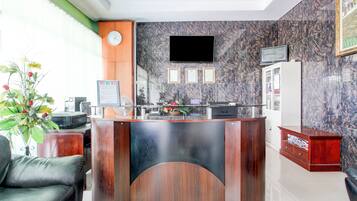


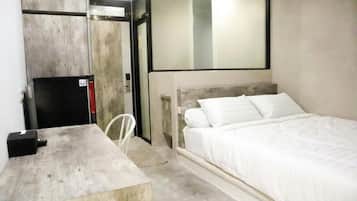

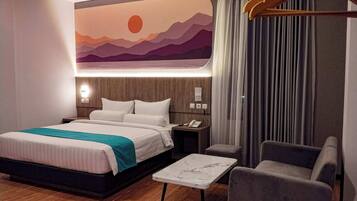





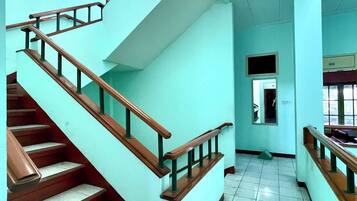

Harga per malam terendah yang ditemukan dalam 24 jam terakhir berdasarkan pencarian 1 malam untuk 2 tamu dewasa. Harga dan ketersediaan dapat berubah sewaktu-waktu. Ketentuan tambahan mungkin berlaku.

Ulasan Hotel Teratas di Solo
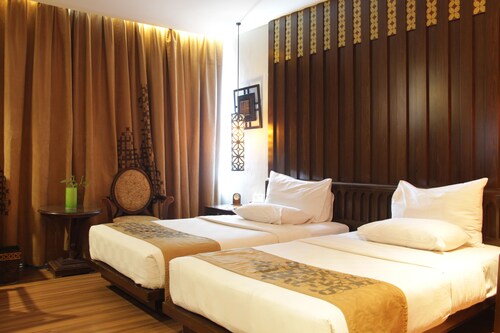
The Royal Surakarta Heritage - Handwritten Collection
6/10 Cukup Baik
Ketahui lebih lanjut tentang Solo
Informasi Taman Liburan di Solo
Jumlah ulasan tamu | 22 |
|---|---|
Akomodasi | 306 |
Harga termurah | Rp111.372 |
Harga tertinggi | Rp1.349.999 |