

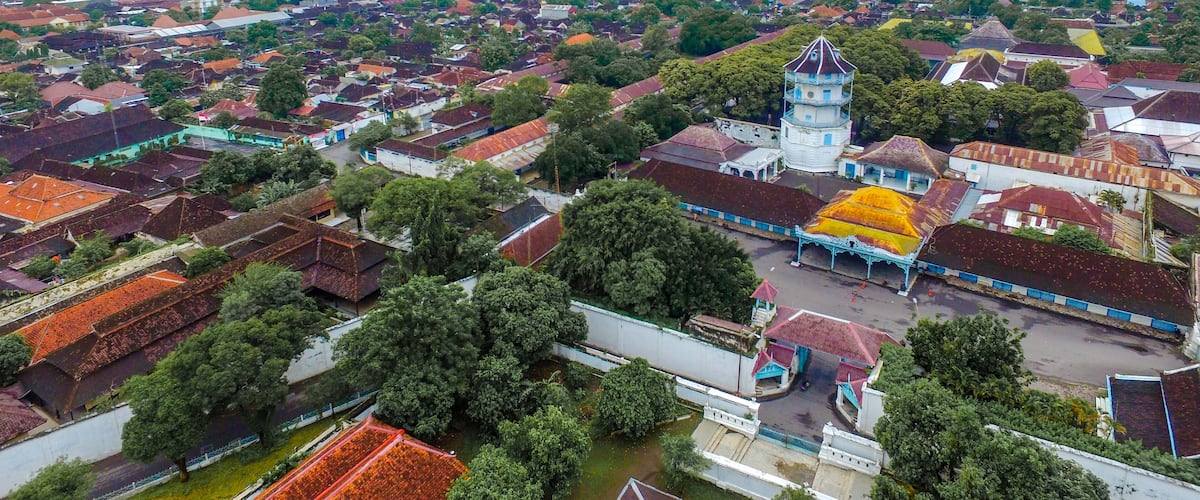
Hotel Keluarga di Solo
 Berubah pikiranPesan hotel dengan pembatalan gratis
 Banyak pilihanCari di hampir jutaan properti di seluruh dunia
Cek ketersediaan Hotel Keluarga di Solo
Malam ini
18 Okt - 19 OktBesok
19 Okt - 20 OktAkhir pekan berikutnya
23 Okt - 25 OktDalam dua minggu
30 Okt - 1 NovPilihan terbaik kami untuk hotel cocok untuk keluarga di Solo



Rp1.200.000
total Rp1.452.000
termasuk pajak & biaya lainnya
19 Okt - 20 Okt



Rp785.124
total Rp949.999
termasuk pajak & biaya lainnya
1 Nov - 2 Nov


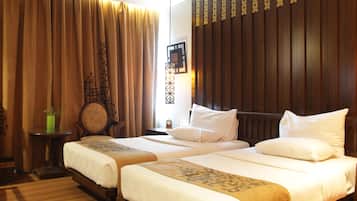

3. The Royal Surakarta Heritage - Handwritten Collection
The Royal Surakarta Heritage - Handwritten CollectionPusat Kota Solo

anoop
Rp456.611
total Rp552.499
termasuk pajak & biaya lainnya
21 Okt - 22 Okt




Rp491.735
total Rp595.000
termasuk pajak & biaya lainnya
21 Okt - 22 Okt



Rp780.300
total Rp944.163
termasuk pajak & biaya lainnya
21 Okt - 22 Okt




Rp309.238
total Rp374.178
termasuk pajak & biaya lainnya
20 Okt - 21 Okt




Rp316.115
total Rp382.500
termasuk pajak & biaya lainnya
21 Okt - 22 Okt




Rp449.938
total Rp544.425
termasuk pajak & biaya lainnya
21 Okt - 22 Okt
Lihat semua properti





Hotel cocok untuk keluarga dengan sarapan gratis di Solo
Rp1.200.000
total Rp1.452.000
termasuk pajak & biaya lainnya
19 Okt - 20 Okt
Rp491.735
total Rp595.000
termasuk pajak & biaya lainnya
21 Okt - 22 Okt

The Royal Surakarta Heritage - Handwritten Collection
The Royal Surakarta Heritage - Handwritten CollectionPusat Kota Solo
Rp456.611
total Rp552.499
termasuk pajak & biaya lainnya
21 Okt - 22 Okt

Rp785.124
total Rp949.999
termasuk pajak & biaya lainnya
1 Nov - 2 Nov

Rp780.300
total Rp944.163
termasuk pajak & biaya lainnya
21 Okt - 22 Okt


Rp316.115
total Rp382.500
termasuk pajak & biaya lainnya
21 Okt - 22 Okt
Rp309.238
total Rp374.178
termasuk pajak & biaya lainnya
20 Okt - 21 Okt
Rp470.523
total Rp569.332
termasuk pajak & biaya lainnya
17 Nov - 18 Nov



Rp314.045
total Rp379.993
termasuk pajak & biaya lainnya
19 Okt - 20 Okt

Rp449.938
total Rp544.425
termasuk pajak & biaya lainnya
21 Okt - 22 Okt
Hotel cocok untuk keluarga dengan kolam renang di Solo
Rp491.735
total Rp595.000
termasuk pajak & biaya lainnya
21 Okt - 22 Okt
The Royal Surakarta Heritage - Handwritten Collection
The Royal Surakarta Heritage - Handwritten CollectionPusat Kota Solo
Rp456.611
total Rp552.499
termasuk pajak & biaya lainnya
21 Okt - 22 Okt
Rp1.200.000
total Rp1.452.000
termasuk pajak & biaya lainnya
19 Okt - 20 Okt
Rp785.124
total Rp949.999
termasuk pajak & biaya lainnya
1 Nov - 2 Nov
Rp780.300
total Rp944.163
termasuk pajak & biaya lainnya
21 Okt - 22 Okt
Rp316.115
total Rp382.500
termasuk pajak & biaya lainnya
21 Okt - 22 Okt
Rp470.523
total Rp569.332
termasuk pajak & biaya lainnya
17 Nov - 18 Nov



Rp479.752
total Rp580.500
termasuk pajak & biaya lainnya
19 Okt - 20 Okt
Rp449.938
total Rp544.425
termasuk pajak & biaya lainnya
21 Okt - 22 Okt

Rp524.793
total Rp634.999
termasuk pajak & biaya lainnya
9 Nov - 10 Nov
Harga per malam terendah yang ditemukan dalam 24 jam terakhir berdasarkan pencarian 1 malam untuk 2 tamu dewasa. Harga dan ketersediaan dapat berubah sewaktu-waktu. Ketentuan tambahan mungkin berlaku.
Lihat semua propertiUlasan Hotel Teratas di Solo
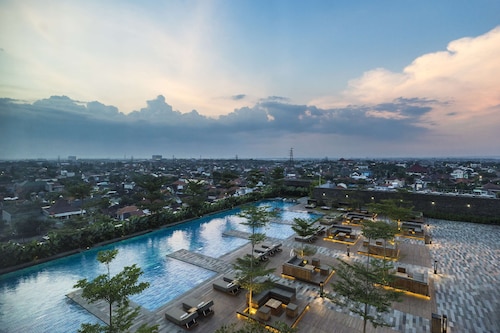
Alila Solo, Java
10/10 Sangat Bagus
"The best hotel *5 ever..... Kmr luas, bersih, staff ramah+helpful, breakfast jg enak, puass banget nginep disini"