Foto oleh Sharrie Shaw
Resor & Hotel dengan Spa di Tegalrejo
- Berubah pikiranPesan hotel dengan pembatalan gratis
- Banyak pilihanCari di hampir jutaan properti di seluruh dunia
Cek ketersediaan Resor & Hotel dengan Spa di Tegalrejo
Malam ini
Besok
Akhir pekan berikutnya
Dalam dua minggu
Pilihan terbaik kami untuk hotel di Tegalrejo dengan spa

9.4 dari 10, Sempurna, (318)
Harga sekarang Rp1.890.000
total Rp2.286.900
termasuk pajak & biaya lainnya
6 Jan - 7 Jan 2026

9.4 dari 10, Sempurna, (91)
Harga sekarang Rp1.583.445
total Rp1.915.967
termasuk pajak & biaya lainnya
30 Des - 31 Des

10.0 dari 10, Sempurna, (1)
Harga sekarang Rp1.245.124
total Rp1.506.599
termasuk pajak & biaya lainnya
11 Jan - 12 Jan 2026

8.6 dari 10, Luar Biasa, (65)
Harga sekarang Rp496.907
total Rp601.258
termasuk pajak & biaya lainnya
5 Jan - 6 Jan 2026

8.0 dari 10, Sangat Baik, (1)
Harga sekarang Rp1.971.075
total Rp2.385.000
termasuk pajak & biaya lainnya
5 Jan - 6 Jan 2026

7.8 dari 10, Bagus, (41)
Harga sekarang Rp309.793
total Rp374.849
termasuk pajak & biaya lainnya
4 Jan - 5 Jan 2026
Harga sekarang Rp2.201.773
total Rp2.664.145
termasuk pajak & biaya lainnya
29 Des - 30 Des

9.2 dari 10, Istimewa, (30)
Harga sekarang Rp885.124
total Rp1.070.999
termasuk pajak & biaya lainnya
11 Jan - 12 Jan 2026
Harga per malam terendah yang ditemukan dalam 24 jam terakhir berdasarkan pencarian 1 malam untuk 2 tamu dewasa. Harga dan ketersediaan dapat berubah sewaktu-waktu. Ketentuan tambahan mungkin berlaku.
Ulasan Hotel Teratas di Tegalrejo

Hyatt Regency Yogyakarta
10/10 Sangat Bagus
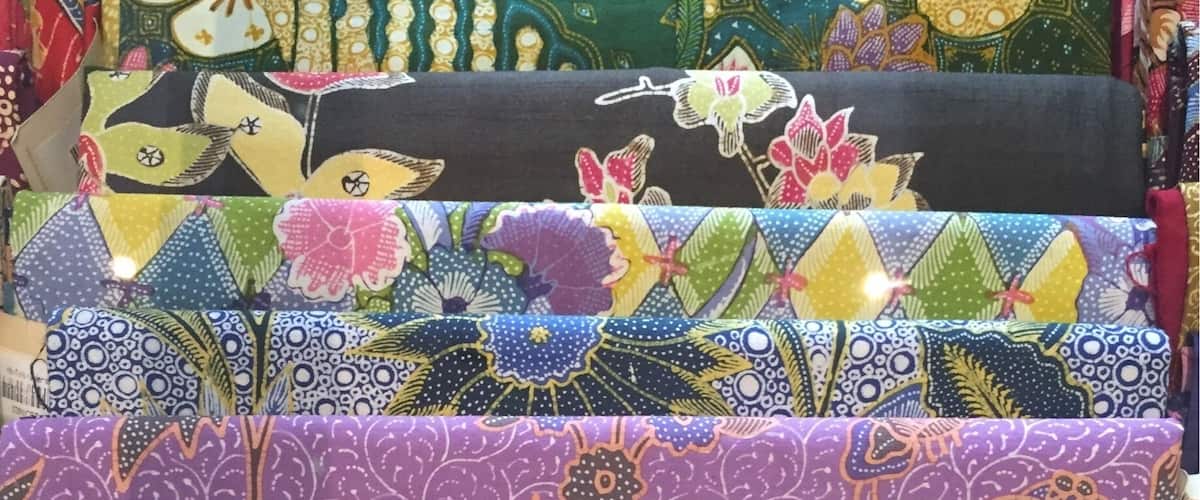
![Batik (Javanese pronunciation: [ˈbateʔ]; Indonesian: [ˈbatɪk]) is a technique of wax-resist dyeing applied to whole cloth, or cloth made using this technique. Batik is made either by drawing dots and lines of the resist with a spouted tool called a canting (IPA: [ʈ͡ʂantiŋ], also spelled tjanting), or by printing the resist with a copper stamp called a cap (IPA: [ʈ͡ʂap], also spelled tjap). The applied wax resists dyes and therefore allows the artisan to color selectively by soaking the cloth in one color, removing the wax with boiling water, and repeating if multiple colors are desired.
A tradition of making batik is found in various countries, including Nigeria, China, India, Malaysia, Philippines and Sri Lanka; the batik of Indonesia, however, is the most well-known. Indonesian batik made in the island of Java has a long history of acculturation, with diverse patterns influenced by a variety of cultures, and is the most developed in terms of pattern, technique, and the quality of workmanship. On October 2009, UNESCO designated Indonesian batik as a Masterpiece of Oral and Intangible Heritage of Humanity.
Source: Wikipedia
These batik clothes are sold at one of the high end hotel's gift shop in Yogyakarta. They are hand drawn and painted and hence command a high price! It ranges over US$200 although some cheap batik at the market can be found for a mere US$2. The difference lies in the quality, the design and also the amount of skill that's needed to make them.
Common batik wear are made from cotton. The ones shown here are silk and limited in quantity produced.
Yogyakarta and Surakata (Solo) are two cities where batik originated in Indonesia.
#unesco](https://images.trvl-media.com/place/1718/09cd56ac-2be9-4518-ac77-e217d037b46b.jpg?impolicy=fcrop&w=1200&h=500&q=medium)