Photo by Sharrie Shaw
Surakarta Hotel Guide - 5 Stars Hotels in Surakarta, Central Java
- Change your mindBook hotels with free cancellation
- Be pickySearch almost a million properties worldwide
Check availability on Surakarta 5 Star Hotels
Our top choices for Surakarta 5-star hotels
The price is Rp1.150.000
Rp1.391.500 total
includes taxes & fees
17 Dec - 18 Dec

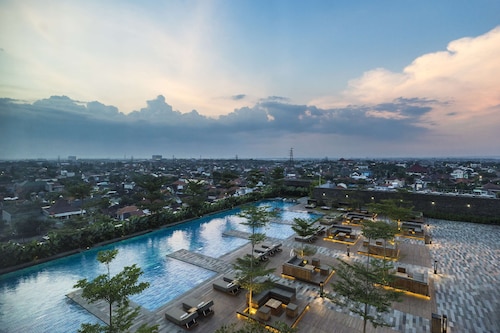
The Royal Surakarta Heritage - Handwritten Collection
The Royal Surakarta Heritage - Handwritten CollectionSolo City Centre
8.4 out of 10, Very good, (165)
The price is Rp513.223
Rp620.999 total
includes taxes & fees
19 Dec - 20 Dec
Save an average of 15% on thousands of hotels when you're signed in
Explore similar 4-star hotels
Many 4-star hotels have the same amenities as 5-star hotels. See all 4-star hotels in Surakarta.

Novotel Solo
Jalan Slamet Riyadi 272 Surakarta Central Java
The price is Rp557.851 per night from 18 Dec to 19 Dec
Rp557.851
Rp675.000 total
18 Dec - 19 Dec
includes taxes & fees
8/10 Very Good! (113 reviews)
Still don't see what you're looking for?
See all properties in Surakarta.
You can also use these popular filters to refine your search.
Lowest nightly price found within the past 24 hours based on a 1 night stay for 2 adults. Prices and availability subject to change. Additional terms may apply.
Surakarta and related destinations
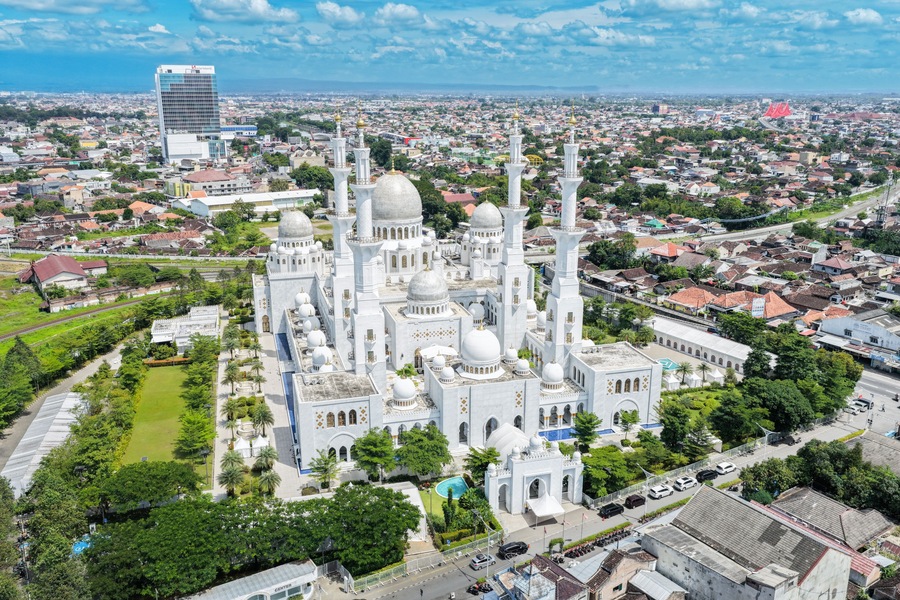
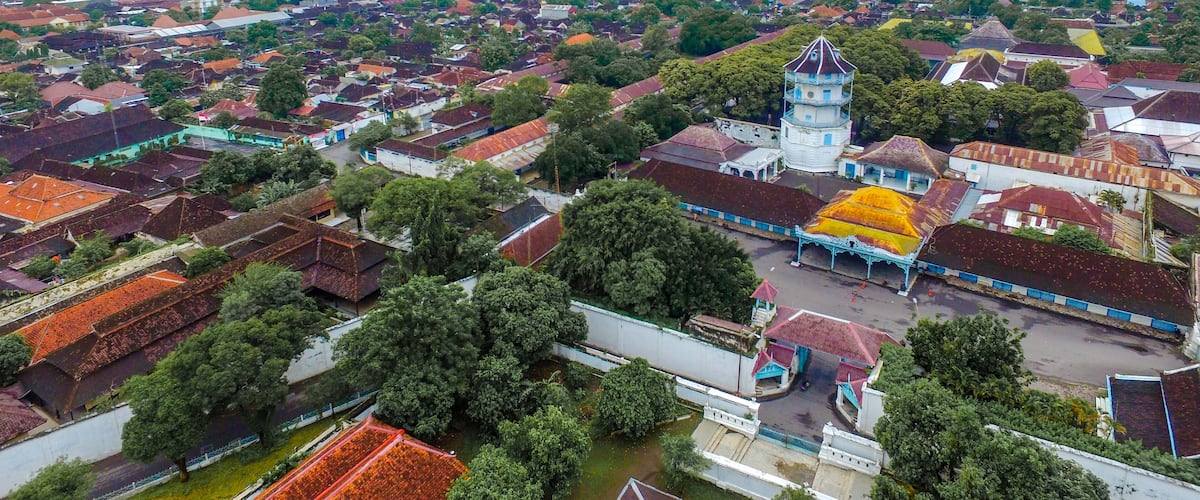
The royal Keraton Surakarta palace showcases Javanese heritage with traditional dance performances and ornate artefacts from the sultanate era. Explore Pasar Gede market for local batik textiles, then visit nearby Sangiran to see ancient human fossils in the UNESCO-listed museum.
![At the museum no photos are allowed which is really unfortunate as it was well worth the visit and the guided tour is definitely not to be missed. In the museum there are even Batik made from the Dutch era which depicts stories like Little Red Riding Hood and Snow White!
I enjoyed the tour v much and at the end of the tour we were brought to this room where the artisan were working on hand drawn batik.
Below is an excerpt from Wikipedia for anyone interested in learning more about the process of batik making.
Firstly, a cloth is washed, soaked and beaten with a large mallet. Patterns are drawn with pencil and later redrawn using hot wax, usually made from a mixture of paraffin or bees wax, sometimes mixed with plant resins, which functions as a dye-resist. The wax can be applied with a variety of tools. A pen-like instrument called a canting (IPA: [tʃantiŋ], sometimes spelled with old Dutch orthography tjanting) is the most common. A canting is made from a small copper reservoir with a spout on a wooden handle. The reservoir holds the resist which flows through the spout, creating dots and lines as it moves. For larger patterns, a stiff brush may be used. Alternatively, a copper block stamp called a cap (IPA: [tʃap]; old spelling tjap) is used to cover large areas more efficiently.
After the cloth is dry, the resist is removed by scraping or boiling the cloth. The areas treated with resist keep their original color; when the resist is removed the contrast between the dyed and undyed areas forms the pattern. This process is repeated as many times as the number of colors desired.
The most traditional type of batik, called batik tulis (written batik), is drawn using only the canting. The cloth need to be drawn on both sides and dipped in a dye bath three to four times. The whole process may take up to a year; it yields considerably finer patterns than stamped batik.
Source: Wikipedia](https://images.trvl-media.com/place/6224808/26fd1460-c65a-4c1a-9444-7a893e883ac9.jpg?impolicy=fcrop&w=300&h=400&p=1&q=high)
Photo by Sharrie Shaw
Open Photo by Sharrie Shaw
Top Surakarta Hotel Reviews

The Royal Surakarta Heritage - Handwritten Collection
6/10 Okay

Alila Solo, Java
8/10 Good
Frequently asked questions
Explore a world of travel with Expedia
Hotels in Surakarta by Star Rating
Areas of Surakarta
Accommodation near Surakarta attractions
- Hotels near Solo Paragon Lifestyle Mall
- Hotels near Universitas Sebelas Maret
- Hotels near Muhammadiyah University of Surakarta
- Hotels near Mangkunegaran Palace
- Hotels near Kraton Surakarta
- Hotels near Klewer Market
- Hotels near Gede Market
- Hotels near The Heritage Palace
- Hotels near Solo Square
- Hotels near Balekambang City Park
- Hotels near Danar Hadi
- Hotels near Sriwedari Amusement Park
- Hotels near Pasar Klewer
- Hotels near Nakamura Klinik
- Hotels near Radya Museum Library
- Hotels near Mesjid Agung
- Hotels near Radya Pustaka Museum
- Hotels near Gunung Merapi National Park
- Hotels near De' Tjolomadoe
- Hotels near Bengawan Solo
Choose Your Surakarta Hotel Style
- Business Hotels in Surakarta
- Cheap Hotels in Surakarta
- Family-Friendly Hotels in Surakarta
- Green Hotels in Surakarta
- Historic Hotels in Surakarta
- Hotels near Museums in Surakarta
- Hotels with Air Conditioning in Surakarta
- Hotels with Airport Transfers in Surakarta
- Hotels with Babysitting Services in Surakarta
- Hotels with Balcony in Surakarta
- Hotels with Breakfast in Surakarta
- Hotels with Connecting Rooms in Surakarta
- Hotels with Entertainment in Surakarta
- Hotels with Gym in Surakarta
- Hotels with Hot Tubs in Surakarta
- Hotels with Indoor Pools in Surakarta
- Hotels with Laundry Service in Surakarta
- Hotels with Parking in Surakarta
- Hotels with Pool in Surakarta
- Hotels with Restaurant in Surakarta
- Hotels with Room Service in Surakarta
- Hotels with Wifi in Surakarta
- Hotels with a Bar in Surakarta
- Hotels with a View in Surakarta
- Hotels with smoking rooms in Surakarta
- Luxury Hotels in Surakarta
- Romantic Hotels in Surakarta
- Shopping Hotels in Surakarta
- Spa Hotels in Surakarta
- Sports Hotels in Surakarta
- Wedding Hotels in Surakarta
More accommodation types in Surakarta
Explore more hotels
- Swiss-Belinn Saripetojo Solo
- Diamond Hotel Solo
- Red Chilies Hotel
- Front One Budget Hotel Slamet Riyadi Solo
- Hotel Bintang Solo
- Hotel Indah Palace Solo
- Comfort Centre Residence Solo
- Dparagon Kerten
- Collection O Solo near Universitas Muhammadiyah Surakarta formerly Kedaton Home
- ZG Homestay Solo
- favehotel Manahan - Solo
- Aston Solo
- GRAND ORCHID HOTEL SOLO
- HARRIS Hotel & Conventions Solo
- Hotel Asia
- Zest Parang Raja Solo by Swiss-Belhotel International
- Loji Hotel Solo by Wstay
- Arini Hotel
More ways to book
Expedia's Latest Trends
Hotels
- Hotels in Ambarawa
- Hotels in Temanggung
- Hotels in Majenang
- Hotels with Breakfast in Semarang
- Hotels in Baturaden
- Hotels in Tawangmangu
- Hotels with smoking rooms in Semarang
- Hotels in Purwodadi
- Hotels in Gombong
- Hotels with Connecting Rooms in Purwokerto
- Hotels with Balcony in Semarang
- Hotels in Batang
- Pet-Friendly Hotels in Semarang
- Hotels in Purbalingga
- 5 Star Hotels in Kaliurang
- Gay-Friendly Hotels in Semarang
- Hotels with Connecting Rooms in Semarang
- Hotels in Wonosobo
- Hotels with a Bar in Semarang
- Spa Hotels in Semarang
Activities
![At the museum no photos are allowed which is really unfortunate as it was well worth the visit and the guided tour is definitely not to be missed. In the museum there are even Batik made from the Dutch era which depicts stories like Little Red Riding Hood and Snow White!
I enjoyed the tour v much and at the end of the tour we were brought to this room where the artisan were working on hand drawn batik.
Below is an excerpt from Wikipedia for anyone interested in learning more about the process of batik making.
Firstly, a cloth is washed, soaked and beaten with a large mallet. Patterns are drawn with pencil and later redrawn using hot wax, usually made from a mixture of paraffin or bees wax, sometimes mixed with plant resins, which functions as a dye-resist. The wax can be applied with a variety of tools. A pen-like instrument called a canting (IPA: [tʃantiŋ], sometimes spelled with old Dutch orthography tjanting) is the most common. A canting is made from a small copper reservoir with a spout on a wooden handle. The reservoir holds the resist which flows through the spout, creating dots and lines as it moves. For larger patterns, a stiff brush may be used. Alternatively, a copper block stamp called a cap (IPA: [tʃap]; old spelling tjap) is used to cover large areas more efficiently.
After the cloth is dry, the resist is removed by scraping or boiling the cloth. The areas treated with resist keep their original color; when the resist is removed the contrast between the dyed and undyed areas forms the pattern. This process is repeated as many times as the number of colors desired.
The most traditional type of batik, called batik tulis (written batik), is drawn using only the canting. The cloth need to be drawn on both sides and dipped in a dye bath three to four times. The whole process may take up to a year; it yields considerably finer patterns than stamped batik.
Source: Wikipedia](https://images.trvl-media.com/place/6224808/26fd1460-c65a-4c1a-9444-7a893e883ac9.jpg?impolicy=fcrop&w=1200&h=500&q=medium)