


Search Hotels with Pool in Tegalrejo
 Change your mindBook hotels with free cancellation
 Be pickySearch almost a million properties worldwide
Check availability on Tegalrejo Hotels with Pool
Tonight
13 Oct - 14 OctTomorrow
14 Oct - 15 OctThis weekend
16 Oct - 18 OctNext weekend
23 Oct - 25 OctOur top choices for Tegalrejo hotels with a pool



1. Hotel Tentrem Yogyakarta
Hotel Tentrem YogyakartaYogyakarta
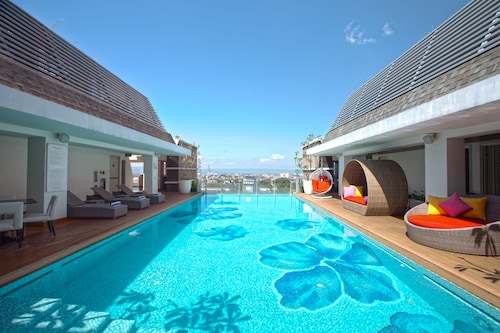
- Dive into blissful waters at this luxury hotel's outdoor pool and children's pool paradise.
Rp1.995.000
Rp2.413.950 total
includes taxes & fees
18 Oct - 19 Oct


2. Allure Villa Yogyakarta
Allure Villa YogyakartaYogyakarta
Rp766.825
Rp851.255 total
includes taxes & fees
15 Oct - 16 Oct

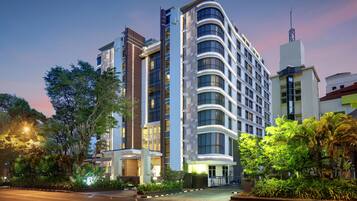
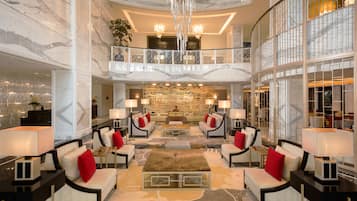
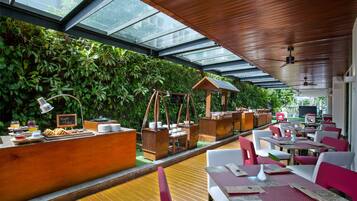
3. Swiss-Belboutique Yogyakarta
Swiss-Belboutique YogyakartaYogyakarta
- Sun-soaked poolside paradise awaits with dual pools for adults and children to enjoy.
Rp722.090
Rp881.324 total
includes taxes & fees
26 Oct - 27 Oct



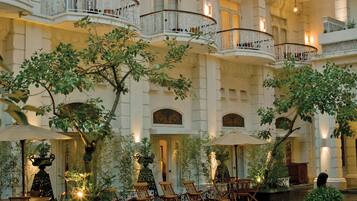
4. The Phoenix Hotel Yogyakarta - Handwritten Collection
The Phoenix Hotel Yogyakarta - Handwritten CollectionCentral Yogyakarta
- Dive into colonial elegance with a refreshing splash at this historic hotel's serene pool escape.
Rp979.338
Rp1.184.999 total
includes taxes & fees
27 Oct - 28 Oct


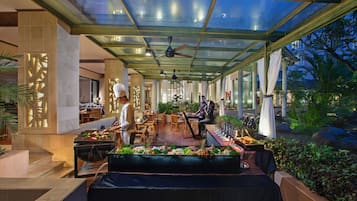
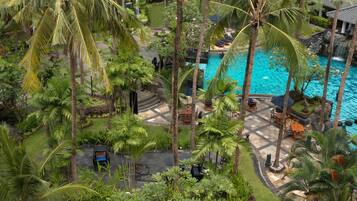
5. Melia Purosani Yogyakarta
Melia Purosani YogyakartaMalioboro
- Lounge in a tropical oasis with 3 outdoor pools and spa facilities at this central hotel.
Rp1.104.998
Rp1.348.092 total
includes taxes & fees
8 Nov - 9 Nov

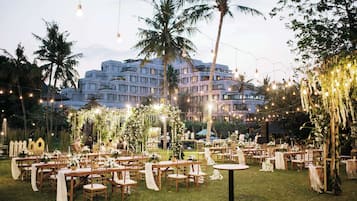
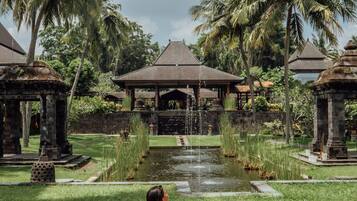

6. Hyatt Regency Yogyakarta
Hyatt Regency YogyakartaMlati
- Poolside paradise meets resort adventure with waterslide, hot tub, and scenic golf.
Rp1.100.000
Rp1.331.000 total
includes taxes & fees
28 Oct - 29 Oct
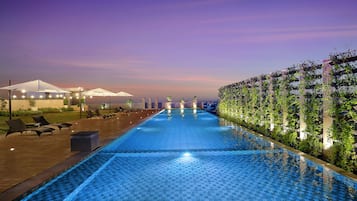

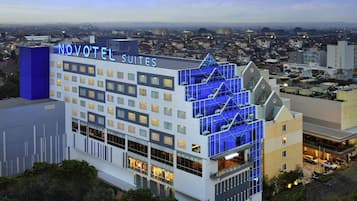

7. Novotel Suites Yogyakarta Malioboro
Novotel Suites Yogyakarta MalioboroMalioboro
- Dive into the refreshing pool oasis with both adult and kiddie pools at this urban retreat.
Rp1.046.000
Rp1.265.660 total
includes taxes & fees
21 Oct - 22 Oct

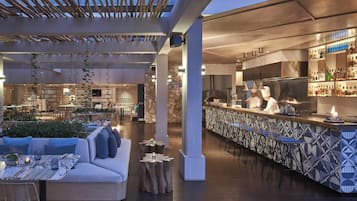
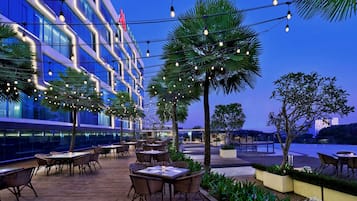
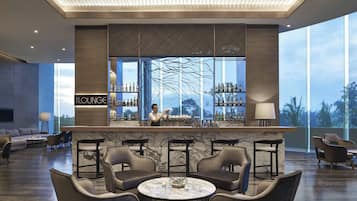
8. Yogyakarta Marriott Hotel
Yogyakarta Marriott HotelDepok
- Splash into luxury with a poolside paradise for both kids and adults at this Yogyakarta retreat.
Rp1.750.000
Rp2.117.500 total
includes taxes & fees
2 Nov - 3 Nov
View all properties
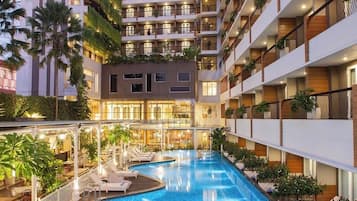
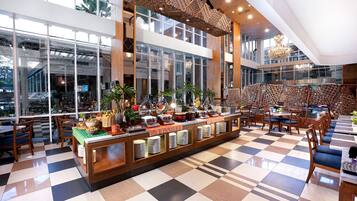
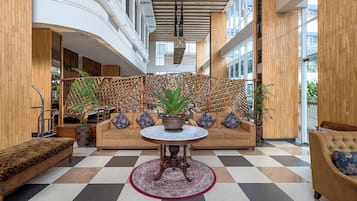


Top Tegalrejo Hotel Reviews

The Phoenix Hotel Yogyakarta - Handwritten Collection
10/10 Excellent
"Gorgeous hotel. The bedrooms itself was less special, but the communal areas were outstanding - so historic and beautiful. I also loved sitting outside by the fountain for breakfast and dinner. The pool area was also lovely, and never crowded. I used the spa services a couple of times, and had some lovely treatments. Breakfast has plenty of options, and there was relaxing live music while you were eating. I ate there every evening. The local food was very good, but don't bother ordering anything with chips - they are terrible! Staff were helpful and spoke good English. Made me a pack up breakfast when I was getting up early to see the sunrise at Borobodur temple. Location is close to the train station and Malioboro Street (more impressive in the evening than during the day). ATMs and grocery stores are just a few minutes walk. I had a lovely stay and would definitely recommend this hotel to others."
Swiss-Belboutique Yogyakarta
10/10 Excellent
"Stayed 5 days . The location was excellent. The room was as described - compact but well contained - the full size refrigerator was a surprise The Japanese breakfast was excellent and the staff were helpful Only minor suggestion is that breakfast sides did not change much - which for 5 days gets a tad bit tedious."

Hotel Tentrem Yogyakarta
10/10 Excellent
"Beautiful and luxurious hotel with an A+ staff. Room is cleaned every day unless I ask to skip (with a button near the door) but they will come by later for a rescheduling. This way they can restock the free complimentary water and food/fruits. Pool is very nice, breakfast buffet is from 6am to 10am and I do recommend getting it as part of your room - wide selection and most of its pretty good. There is a national anthem at 10am that does play in public areas of the hotel. Staff is helpful and professional with the front desk and those at most front facing positions having strong English speaking skills too. Would go back if I was in Yogya"
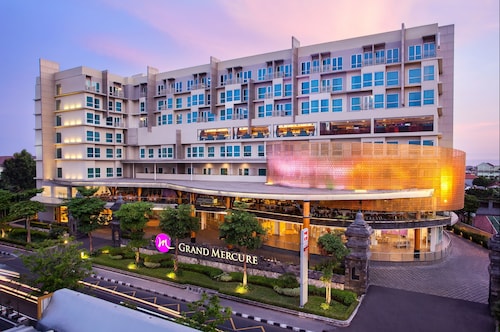
Grand Mercure Yogyakarta Adi Sucipto
8/10 Good
"The basement parking entrance & space are p0very tight. I suggest to have a better design for the transport parking facility."