Hotel Murah di Arondisemen ke-17
- Berubah pikiranPesan hotel dengan pembatalan gratis
- Banyak pilihanCari di hampir jutaan properti di seluruh dunia
Periksa harga untuk tanggal ini
Pilihan terbaik kami untuk hotel dekat Arondisemen ke-17


Tempat untuk menginap di Arondisemen ke-17

Pusat Kota Paris
Museum Louvre dan Notre-Dame merupakan objek wisata unggulan di Pusat Kota Paris. Jelajahi kota ini dengan menumpang metro dari Stasiun Palais Royal - Musee du Louvre atau Stasiun Louvre - Rivoli, dan nikmati beragam museum yang memukau, katedral nan megah, serta kafe yang menarik.

Marais
Lihat keajaiban sejarah dan arsitektur yang mengagumkan, serta kunjungi salah satu museum seni modern terbesar di Eropa di Arrondissement ke-3 dan ke-4 di Paris.

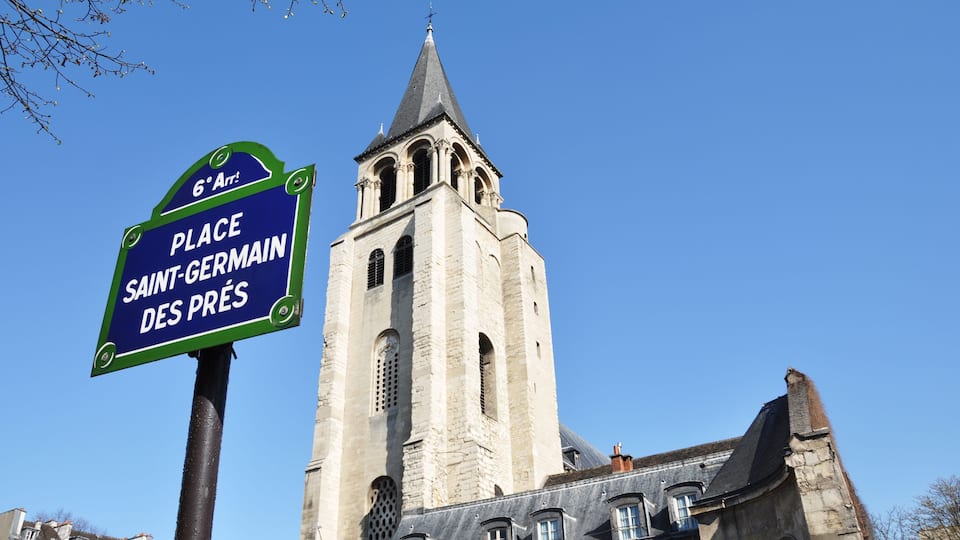
Saint-Germain-des-Prés
Para wisatawan banyak menyukai kafe yang menarik dan pertokoan populer di Saint-Germain-des-Prés. Singgahlah di Biara Saint-Germain-des-Pres atau Place Saint-Germain-des-Pres ketika berada di sini, dan naiki metro dari Stasiun Mabillon untuk berkeliling kota.

Saint-Germain-l'Auxerrois
Museum, situs bersejarah, dan pemandangan tepi sungai merupakan daya tarik utama Saint-Germain-l'Auxerrois. Singgahlah di Museum Louvre atau La Carrousel du Louvre saat berkunjung, dan tumpangi metro dari Stasiun Louvre - Rivoli atau Stasiun Pont Neuf untuk berkeliling kota.

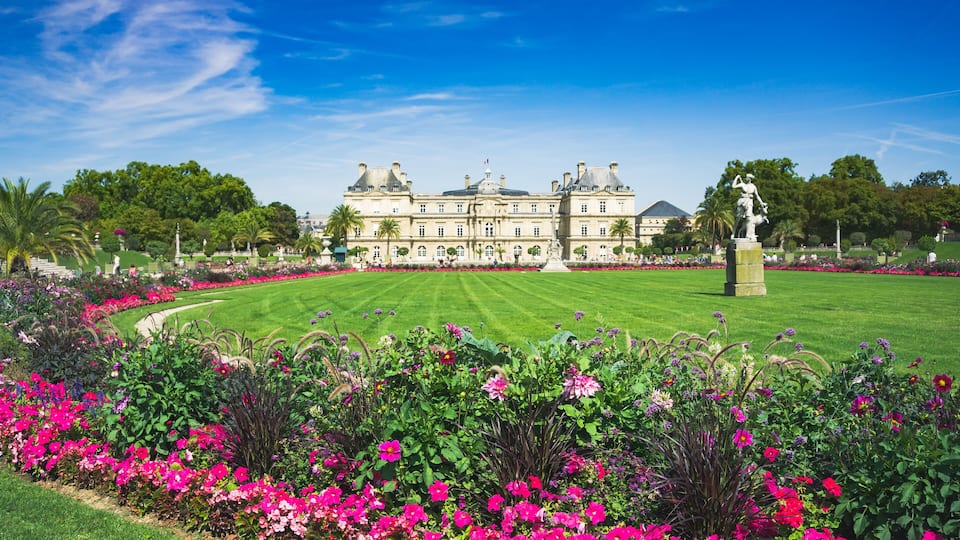
Arondisemen ke-6
Baca tentang kaum terpelajar Paris, temukan Latin Quarter yang semarak, dan nikmati taman indah dan budaya kafe bohemian.
![The Arc de Triomphe de l'Étoile (Triumphal Arch of the Star) is one of the most famous monuments in Paris. It stands in the centre of the Place Charles de Gaulle (originally named Place de l'Étoile), at the western end of the Champs-Élysées. It should not be confused with a smaller arch, the Arc de Triomphe du Carrousel, which stands west of the Louvre. The Arc de Triomphe honours those who fought and died for France in the French Revolutionary and the Napoleonic Wars, with the names of all French victories and generals inscribed on its inner and outer surfaces. Beneath its vault lies the Tomb of the Unknown Soldier from World War I. The Arc de Triomphe is the linchpin of the Axe historique (historic axis) – a sequence of monuments and grand thoroughfares on a route which runs from the courtyard of the Louvre to the Grande Arche de la Défense. The monument was designed by Jean Chalgrin in 1806 and its iconographic program pits heroically nude French youths against bearded Germanic warriors in chain mail. It set the tone for public monuments with triumphant patriotic messages. The monument stands 50 metres in height, 45 m wide and 22 m deep. Its design was inspired by the Roman Arch of Titus. The Arc de Triomphe is built on such a large scale that, three weeks after the Paris victory parade in 1919 (marking the end of hostilities in World War I), Charles Godefroy flew his Nieuport biplane through it, with the event captured on newsreel. It was the tallest triumphal arch in existence until the completion of the Monumento a la Revolución in Mexico City in 1938, which is 67 metres high. The Arch of Triumph in Pyongyang, completed in 1982, is modelled on the Arc de Triomphe and is slightly taller at 60 m [Wikipedia.org]](https://images.trvl-media.com/place/6187899/ce730aaa-6e04-4cb2-ae2d-4e846d97c027.jpg?impolicy=fcrop&w=1200&h=500&q=medium)