

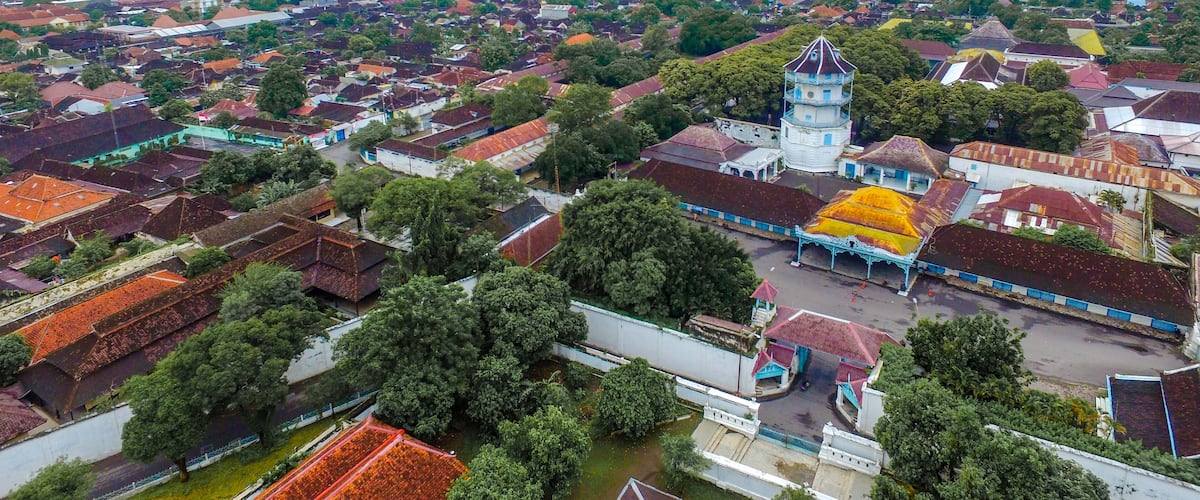
Surakarta Hotel Guide - 5 Stars Hotels in Surakarta, Central Java
 Change your mindBook hotels with free cancellation
 Be pickySearch almost a million properties worldwide
Check availability on Surakarta 5 Star Hotels
Tonight
15 Oct - 16 OctTomorrow
16 Oct - 17 OctThis weekend
16 Oct - 18 OctNext weekend
23 Oct - 25 OctOur top choices for Surakarta 5-star hotels



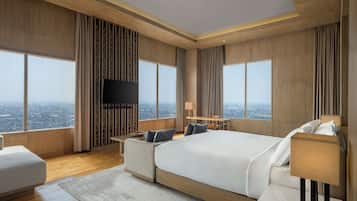

Rp1.200.000
Rp1.452.000 total
includes taxes & fees
17 Oct - 18 Oct


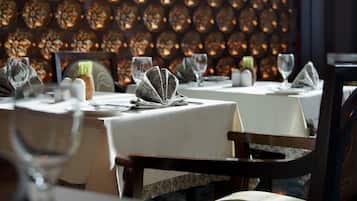

2. The Royal Surakarta Heritage - Handwritten Collection
The Royal Surakarta Heritage - Handwritten CollectionSolo City Centre

Lidya
Rp456.611
Rp552.499 total
includes taxes & fees
18 Oct - 19 Oct

Save an average of 15% on thousands of hotels when you're signed in
Explore similar 4-star hotels
Many 4-star hotels have the same amenities as 5-star hotels. See all 4-star hotels in Surakarta.
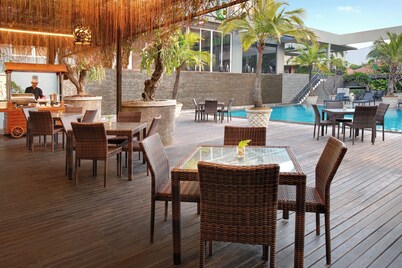
Novotel Solo
Jalan Slamet Riyadi 272 Surakarta Central Java
Rp491.735
Rp595.000 total
18 Oct - 19 Oct
includes taxes & fees

Swiss-Belhotel Solo
Jalan Ahmad Yani 45 Surakarta Jawa Tengah
Rp785.124
Rp949.999 total
18 Oct - 19 Oct
includes taxes & fees
9.2/10 Wonderful! (44 reviews)
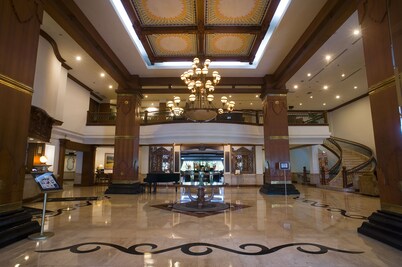
The Sunan Hotel Solo
Jl. Ahmad Yani 40 Surakarta Central Java
Rp526.612
Rp637.200 total
18 Oct - 19 Oct
includes taxes & fees
7.4/10 Good! (6 reviews)
Still don't see what you're looking for?
See all properties in Surakarta.
You can also use these popular filters to refine your search.
Lowest nightly price found within the past 24 hours based on a 1 night stay for 2 adults. Prices and availability subject to change. Additional terms may apply.
Surakarta and related destinations
The royal Keraton Surakarta palace showcases Javanese heritage with traditional dance performances and ornate artefacts from the sultanate era. Explore Pasar Gede market for local batik textiles, then visit nearby Sangiran to see ancient human fossils in the UNESCO-listed museum.
See all hotels in Surakarta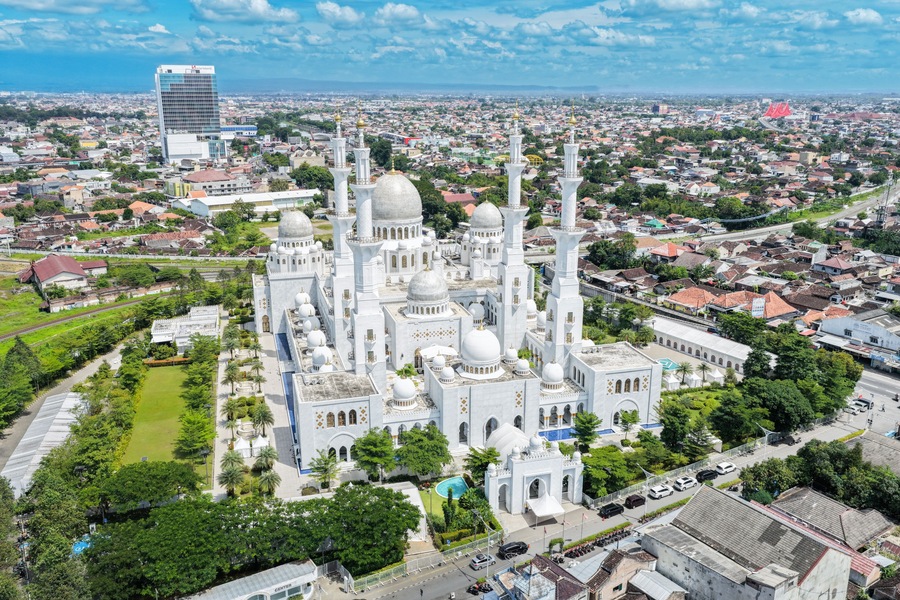
Top Surakarta Hotel Reviews
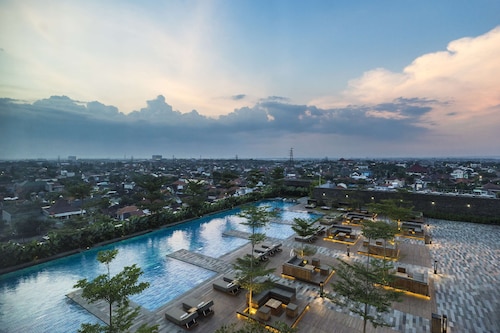
Alila Solo, Java
10/10 Excellent
"Hotel was very clean and staff very helpful. Beautiful view from the room and the pool was amazing. A lot of food options at breakfast. Definitely recommend and will stay here again."
Frequently asked questions
What are the best 5-star hotels in Surakarta?
If you're seeking a 5-star experience, The Royal Surakarta Heritage Solo MGallery Collection offers one of the best of them based on Expedia traveller reviews. Book a room at this Surakarta getaway and look forward to impeccable service, upscale furnishings and superior amenities.
How much does it cost to stay in a 5-star hotel in Surakarta?
You can find many different pricing options for 5-star hotels in Surakarta on Expedia. The amount you pay will depend on your holiday dates, trip length and other factors. Compare all of the available properties for your desired dates and make use of our pricing and other filters to find the perfect upscale stay.
- Search for the lowest price per night from Rp595.000
What makes a hotel 5 stars in Surakarta?
In Surakarta, a hotel must provide a certain amount of top-notch amenities to be designated 5 stars. These can include on-site gyms, saunas and spas, gourmet restaurants, premium bedding, luxury toiletries and more. What also sets 5-star hotels apart is their guest-centric service. You'll enjoy things like in-room massages, concierge services and nightly turn-down services. Some may also offer additional touches such as a welcome gift.