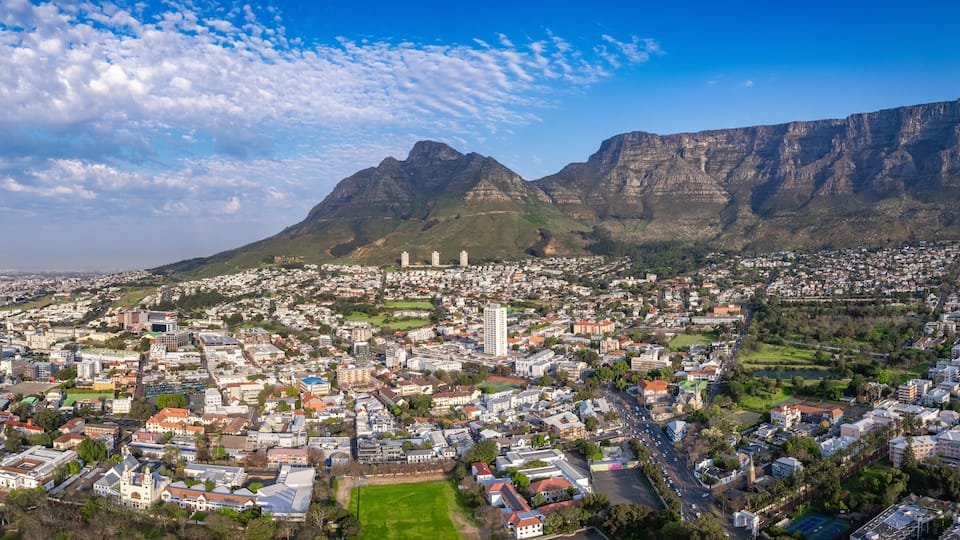

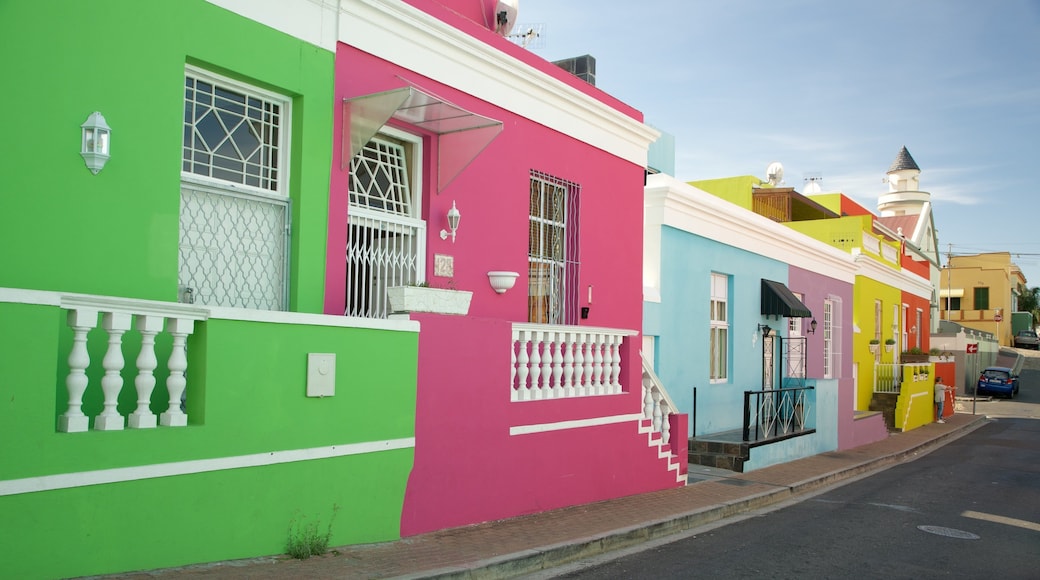
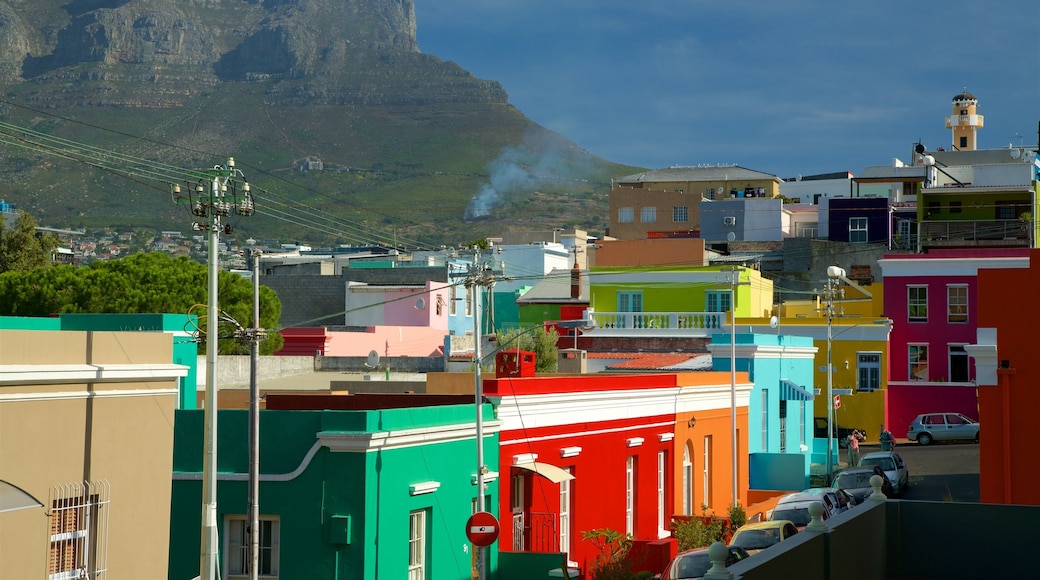
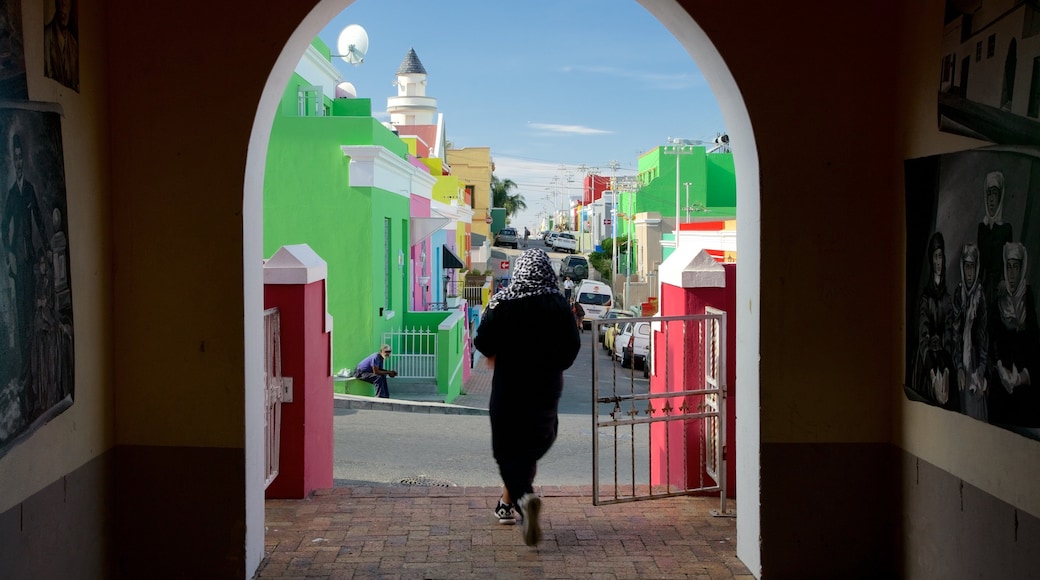
Bo-Kaap adalah distrik luar biasa yang dikenal dengan deretan rumah bercat terang dan bersuasana menyenangkan. Di lereng Signal Hill, bekas kotapraja ini memiliki jalan berbatu dan beberapa bangunan tertua di kota ini. Telusuri gang sempit dan jalan berliku seperti labirin di lingkungan tempo dulu untuk melihat sekilas tentang budaya lokal.
Objek utama di distrik ini adalah Bo-Kaap Museum, yang berasal dari tahun 1760-an. Amati sekilas pameran menarik tentang penduduk Muslim awal yang dikucilkan ke sini dari Indonesia dan Malaysia berabad-abad lalu. Ketahui bagaimana kawasan ini menjadi tempat perlindungan para budak yang telah bebas.
Kunjungi Masjid Auwal, tertua di Cape Town, yang dibangun di akhir abad ke-18. Amati pameran Quran yang ditulis berdasarkan ingatan imam pertama masjid ini selama ditahan karena alasan politik.
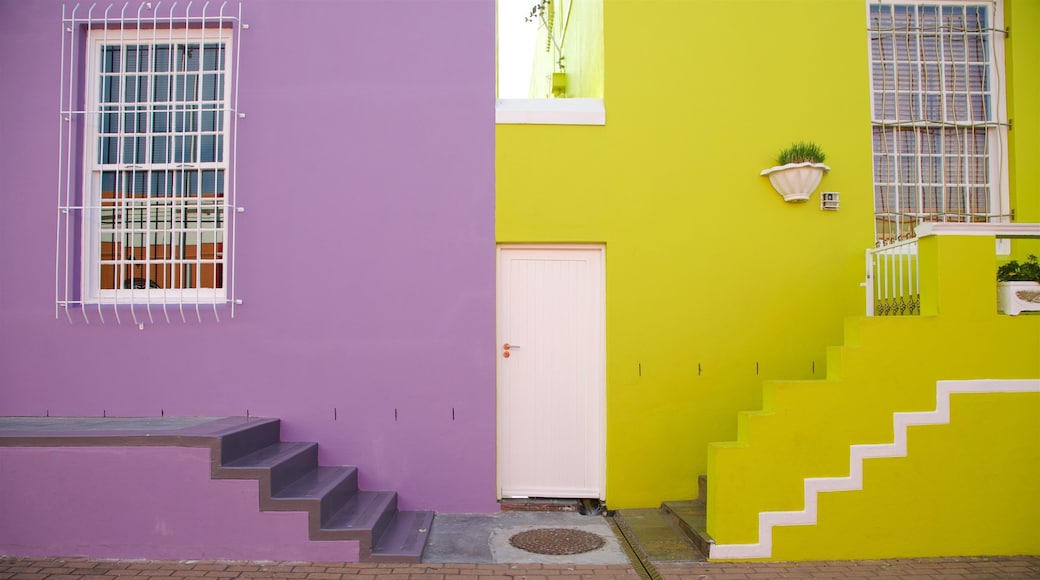
Telusuri jalan berbatu dan amati warna cerah yang melapisi setiap bagian rumah yang dapat diwarnai. Deretan rumah tersebut dulunya berwarna putih, sebelum penduduk setempat mengecatnya untuk menyambut Idul Fitri, akhir bulan Ramadan. Amati puncak hijau Signal Hill dan abadikan foto gunung yang ikonik.
Bersantaplah di salah satu restoran untuk menikmati hidangan tradisional Bo-Kaap, seperti tomato bredie, sate daging sosatie dan koeksister, yakni donat sirup.
Ketahui tentang gentrifikasi gradual lingkungan ini dan konflik yang timbul saat keluarga yang lebih berada pindah ke sini, menggantikan penghuni lama. Banyak penduduk saat ini merupakan keturunan para budak yang didatangkan oleh Belanda dari Sri Lanka, India, Malaysia, Indonesia, dan sebagian Afrika. Perhatikan bahwa banyak penduduk lokal yang menyebut distrik ini sebagai Kawasan Melayu, sedangkan penduduknya disebut Muslim Tanjung.
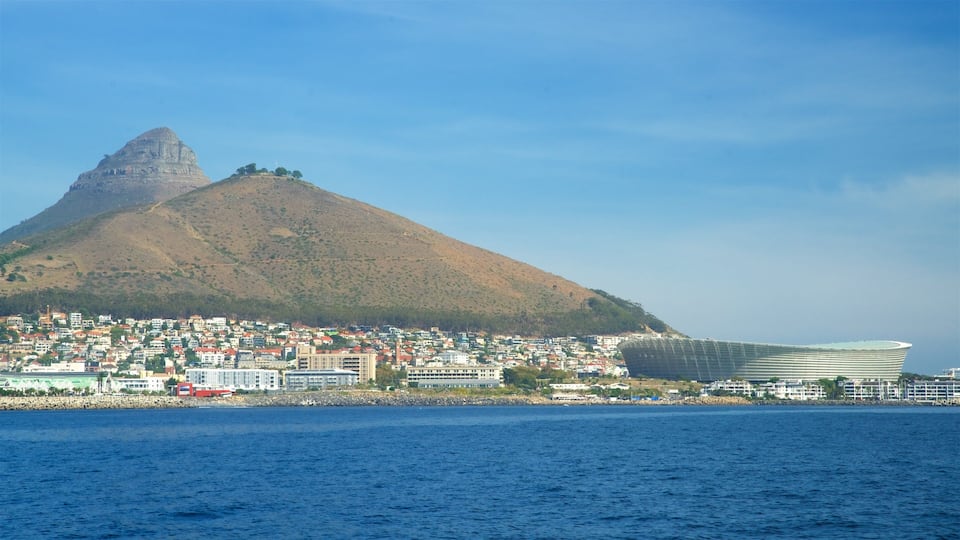
Wilayah Bo-Kaap terletak di utara pusat kota Cape Town. Kawasan ini diapit area De Waterkant dan dataran indah di sekeliling Signal Hill. Bo-Kaap dapat dicapai dengan bus ke Old Fire Station di perbatasan utara kawasan yang eksentrik ini.