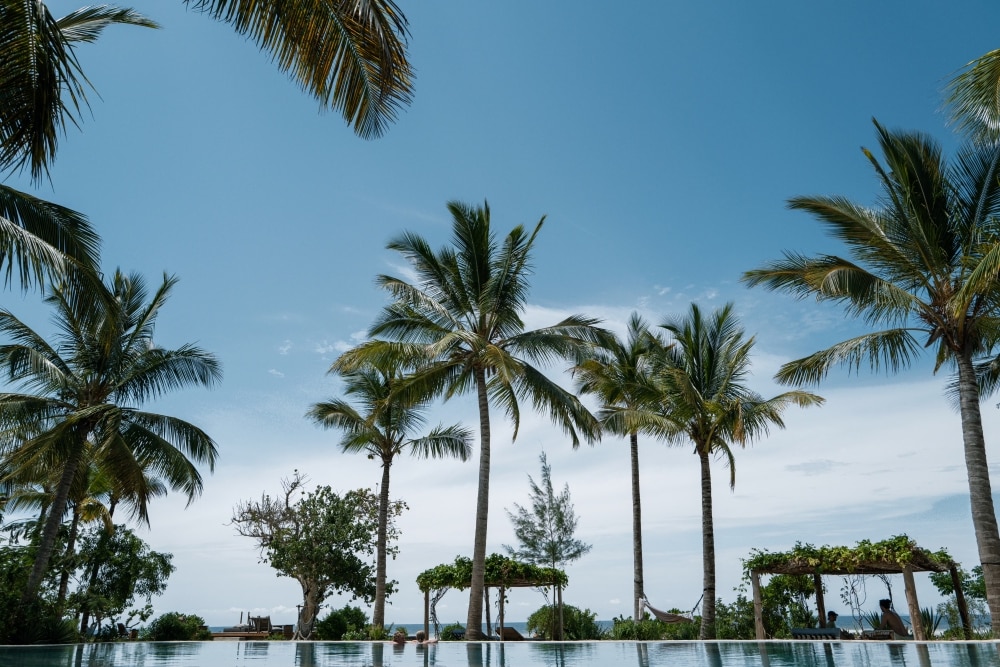


Hotel murah di Nikiski
 Berubah pikiranPesan hotel dengan pembatalan gratis
 Banyak pilihanCari di hampir jutaan properti di seluruh dunia
Lebih dari sekadar penginapan biasa di Nikiski
Ramah hewan peliharaan
Apartemen
Kondominium
Cocok untuk keluarga
Waterpark
Periksa harga untuk tanggal ini
Malam ini
28 Sep - 29 SepBesok
29 Sep - 30 SepAkhir pekan ini
2 Okt - 4 OktAkhir pekan berikutnya
9 Okt - 11 OktPilihan terbaik kami untuk hotel dekat Nikiski
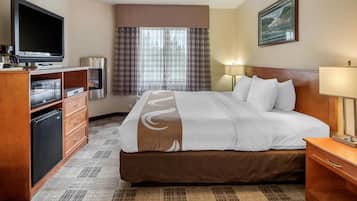
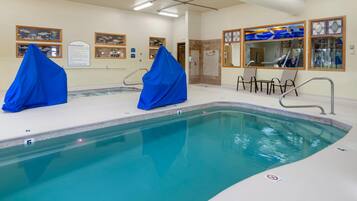

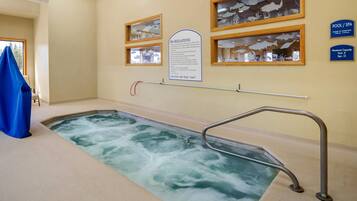
1. Quality Inn Kenai
Quality Inn KenaiKenai

Elisha
Rp2.008.538
total Rp2.129.050
termasuk pajak & biaya lainnya
19 Okt - 20 Okt




2. Aspen Extended Stay Suites Kenai
Aspen Extended Stay Suites KenaiKenai
lynne
Rp2.723.046
total Rp2.886.429
termasuk pajak & biaya lainnya
7 Okt - 8 Okt



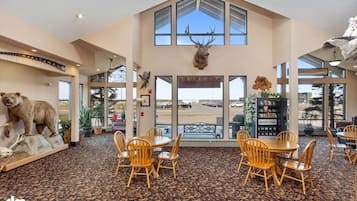
3. Kenai Airport Hotel
Kenai Airport HotelKenai
Teodor
Rp2.239.665
total Rp2.373.938
termasuk pajak & biaya lainnya
1 Okt - 2 Okt

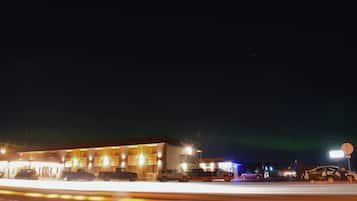


4. Uptown Motel Kenai
Uptown Motel KenaiKenai
Steven
Rp1.946.951
total Rp2.063.768
termasuk pajak & biaya lainnya
3 Okt - 4 Okt



5. Alaska Angler's Inn
Alaska Angler's InnSoldotna
Stacy
Rp1.577.433
total Rp1.734.980
termasuk pajak & biaya lainnya
1 Okt - 2 Okt
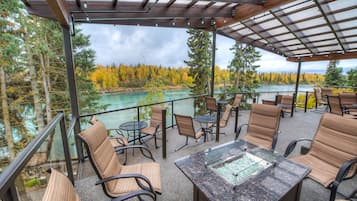
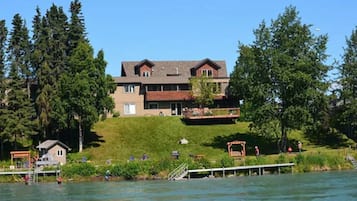

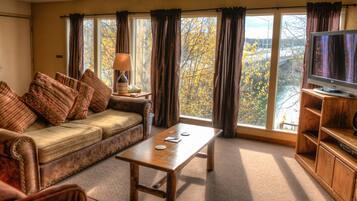
6. Kenai River Lodge
Kenai River LodgeSoldotna
Rp2.327.390
total Rp2.560.129
termasuk pajak & biaya lainnya
1 Okt - 2 Okt


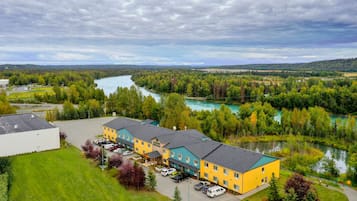

7. Aspen Hotel Soldotna
Aspen Hotel SoldotnaSoldotna
nancylynn
Rp2.723.046
total Rp2.995.350
termasuk pajak & biaya lainnya
7 Okt - 8 Okt

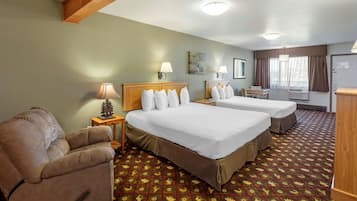


8. Best Western King Salmon Inn
Best Western King Salmon InnSoldotna
Jessica
Rp2.562.098
total Rp2.818.309
termasuk pajak & biaya lainnya
1 Okt - 2 Okt


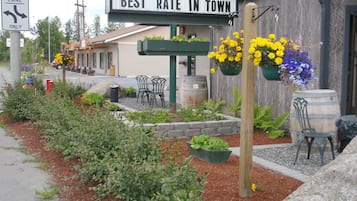

9. Soldotna Inn
Soldotna InnSoldotna
Tom
Rp1.272.903
total Rp1.400.015
termasuk pajak & biaya lainnya
4 Okt - 5 Okt

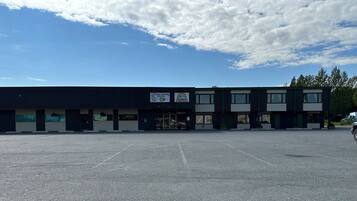
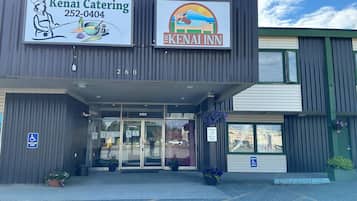
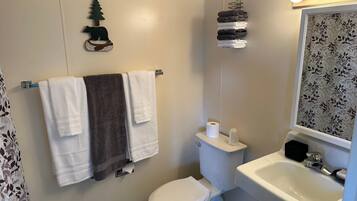
10. The Kenai Inn
The Kenai InnKenai
Rp2.054.853
total Rp2.178.143
termasuk pajak & biaya lainnya
1 Okt - 2 Okt




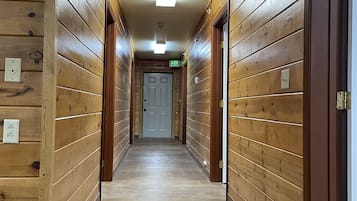
11. The Hibernation Station
The Hibernation StationSterling
Rp1.530.706
total Rp1.576.627
termasuk pajak & biaya lainnya
30 Sep - 1 Okt

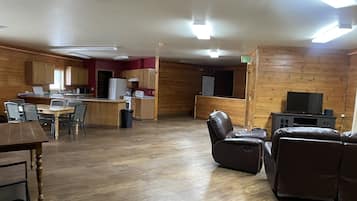
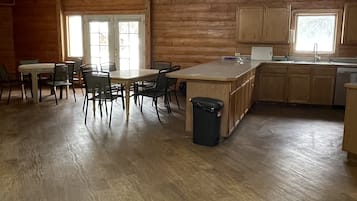
12. Soldotna Lodge
Soldotna LodgeSoldotna
David
Rp1.209.169
total Rp1.245.512
termasuk pajak & biaya lainnya
5 Okt - 6 Okt
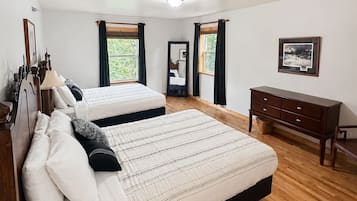



13. Alaska Legends Kenai River Lodge
Alaska Legends Kenai River LodgeSoldotna
Rp5.585.736
total Rp5.753.308
termasuk pajak & biaya lainnya
3 Okt - 4 Okt


14. ALASKA LAKE and LODGE AT LONGMERE
ALASKA LAKE and LODGE AT LONGMERESoldotna
Rp3.485.356
total Rp3.589.910
termasuk pajak & biaya lainnya
28 Okt - 29 Okt

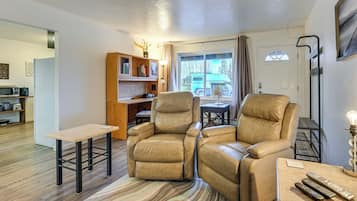
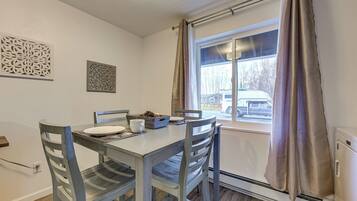

15. Comfort & Convenience! Apt in Central Soldotna
Comfort & Convenience! Apt in Central SoldotnaSoldotna
Rp3.240.443
total Rp8.382.722
termasuk pajak & biaya lainnya
3 Okt - 4 Okt

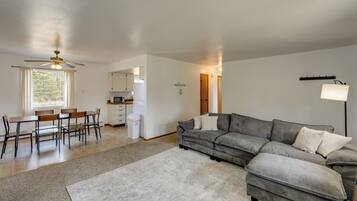
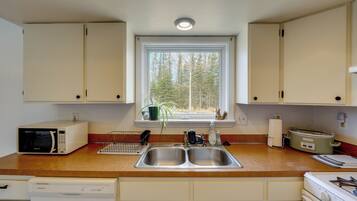

16. < 1 Mi to Soldotna Creek Park: Retreat w/ Fire Pit
< 1 Mi to Soldotna Creek Park: Retreat w/ Fire PitSoldotna
Traveler anonim
Rp3.795.436
total Rp7.788.521
termasuk pajak & biaya lainnya
30 Sep - 1 Okt

Penginapan dekat objek wisata populer di Nikiski
Kawasan Rekreasi North Peninsula
8.8/10 (18 ulasan)
Jelajahi aktivitas outdoor di Kawasan Rekreasi North Peninsula, ruang terbuka hijau yang indah di Nikiski. Jelajahi titik pengamatan gunung berapi saat Anda berada di area ini.
Kotsina Road
8.0/10 (8 ulasan)
Anda dapat meluangkan waktu untuk mengunjungi Kotsina Road selama perjalanan Anda ke Nikiski. Jelajahi titik pengamatan gunung berapi saat Anda berada di area ini.
Island Lake
Berinteraksi dengan alam dan jelajahi aktivitas outdoor di Island Lake selama perjalanan Anda di Nikiski. Saat Anda berada di area ini, berjalan-jalanlah di tepi danau.
Georgina Lake
Berinteraksi dengan alam dan jelajahi aktivitas outdoor di Georgina Lake selama perjalanan Anda di Nikiski. Saat Anda berada di area ini, berjalan-jalanlah di tepi danau.
Cabin Lake
Berinteraksi dengan alam dan jelajahi aktivitas outdoor di Cabin Lake selama perjalanan Anda di Nikiski. Saat Anda berada di area ini, berjalan-jalanlah di tepi danau.
North Pennisula Recreation Center
8.0/10 (11 ulasan)
Hadiri acara di North Pennisula Recreation Center selama perjalanan Anda ke Nikiski. Jelajahi titik pengamatan gunung berapi saat Anda berada di area ini.
East Foreland Lighthouse Reserve
Anda dapat meluangkan waktu untuk mengunjungi East Foreland Lighthouse Reserve selama perjalanan Anda ke Nikiski. Saat Anda berada di area ini, berjalan-jalanlah di tepi danau.
Dogbone Lake
Berinteraksi dengan alam dan jelajahi aktivitas outdoor di Dogbone Lake selama perjalanan Anda di Nikiski. Saat Anda berada di area ini, berjalan-jalanlah di tepi danau.
Selengkapnya tentang Nikiski
Jelajahi Nikiski yang terpencil: naik kano, taman bermain air, berkemah, dan banyak lagi!
Lihat semua hotel di Nikiski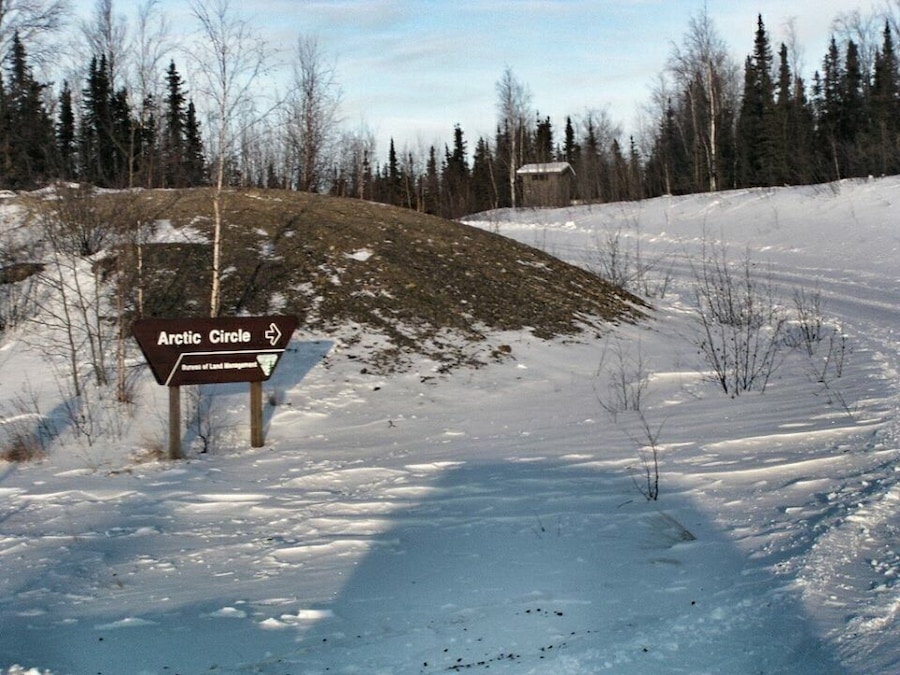
Foto oleh Sharrie Shaw
Ulasan Hotel Teratas di Nikiski
Penginapan murah di Nikiski

Soldotna Inn
35041 Kenai Spur Hwy. Soldotna AK
Rp1.272.903
total Rp1.400.015
4 Okt - 5 Okt
termasuk pajak & biaya lainnya
7,6/10 Bagus! (640 ulasan)

Uptown Motel Kenai
47 Spur View Drive Kenai AK
Rp1.946.951
total Rp2.063.768
3 Okt - 4 Okt
termasuk pajak & biaya lainnya
8,6/10 Luar biasa! (335 ulasan)

Quality Inn Kenai
10352 Kenai Spur Hwy Kenai AK
Rp2.008.538
total Rp2.129.050
19 Okt - 20 Okt
termasuk pajak & biaya lainnya
8,4/10 Bagus Sekali! (629 ulasan)
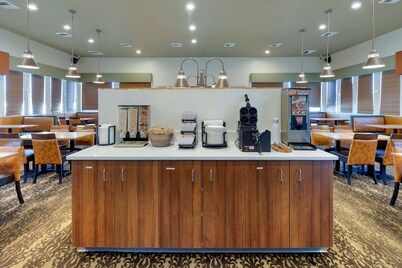
Best Western King Salmon Inn
35545 Kenai Spur Hwy Soldotna AK
Rp2.562.098
total Rp2.818.309
1 Okt - 2 Okt
termasuk pajak & biaya lainnya
8,4/10 Bagus Sekali! (421 ulasan)

Aspen Extended Stay Suites Kenai
10431 Kenai Spur Hwy Kenai AK
Rp2.723.046
total Rp2.886.429
7 Okt - 8 Okt
termasuk pajak & biaya lainnya
9,2/10 Istimewa! (801 ulasan)
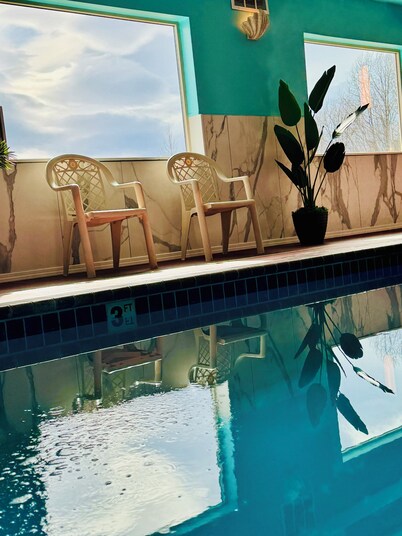
Aspen Hotel Soldotna
326 Binkley Circle Soldotna AK
Rp2.723.046
total Rp2.995.350
7 Okt - 8 Okt
termasuk pajak & biaya lainnya
8,6/10 Luar biasa! (873 ulasan)
Hotel di Nikiski dengan peringkat bintang

Hotel Bintang 3
65 properti