
Atraksi wisata di Kasihan
Aktivitas, Atraksi Wisata, dan Tur
Kunjungi Kasihan

Atraksi wisata


Yogyakarta: Pendakian Borobudur & Prambanan dengan Pemandu Bersama Tur
Rp650.000
per dewasa
100% traveler merekomendasikan ini


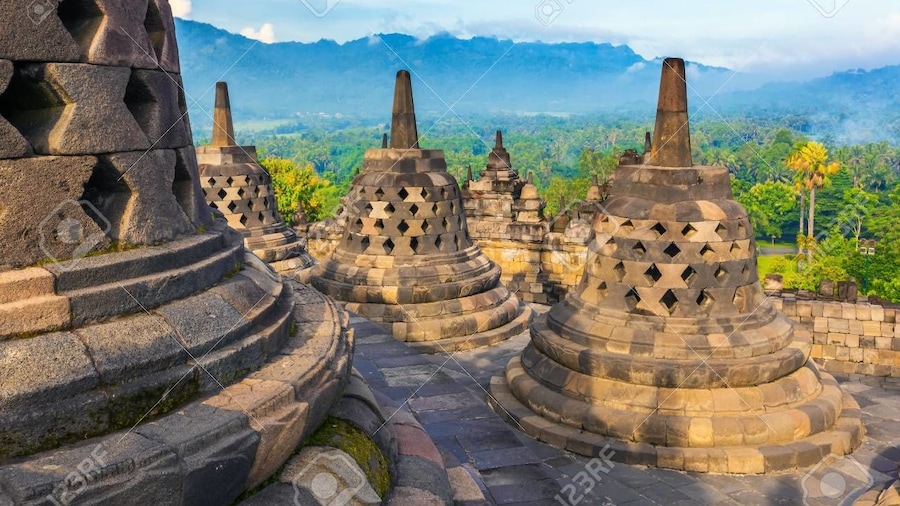
Yogyakarta 3 Candi Borobudur, Mendut, Prambanan Regular Private Tour
Rp1.340.032
per traveler
 Jelajahi aktivitasJelajahi ribuan pengalaman mulai dari aktivitas dan objek wisata hingga tur sehari dan transportasi.
 Pesan dengan mudahTidak perlu antre - pesan tiket online dalam hitungan menit ke objek wisata terbaik dengan pembatalan gratis untuk banyak aktivitas.
 Manjakan diri AndaMember hemat minimal % saat Anda memesan aktivitas.
Tempat populer untuk dikunjungi
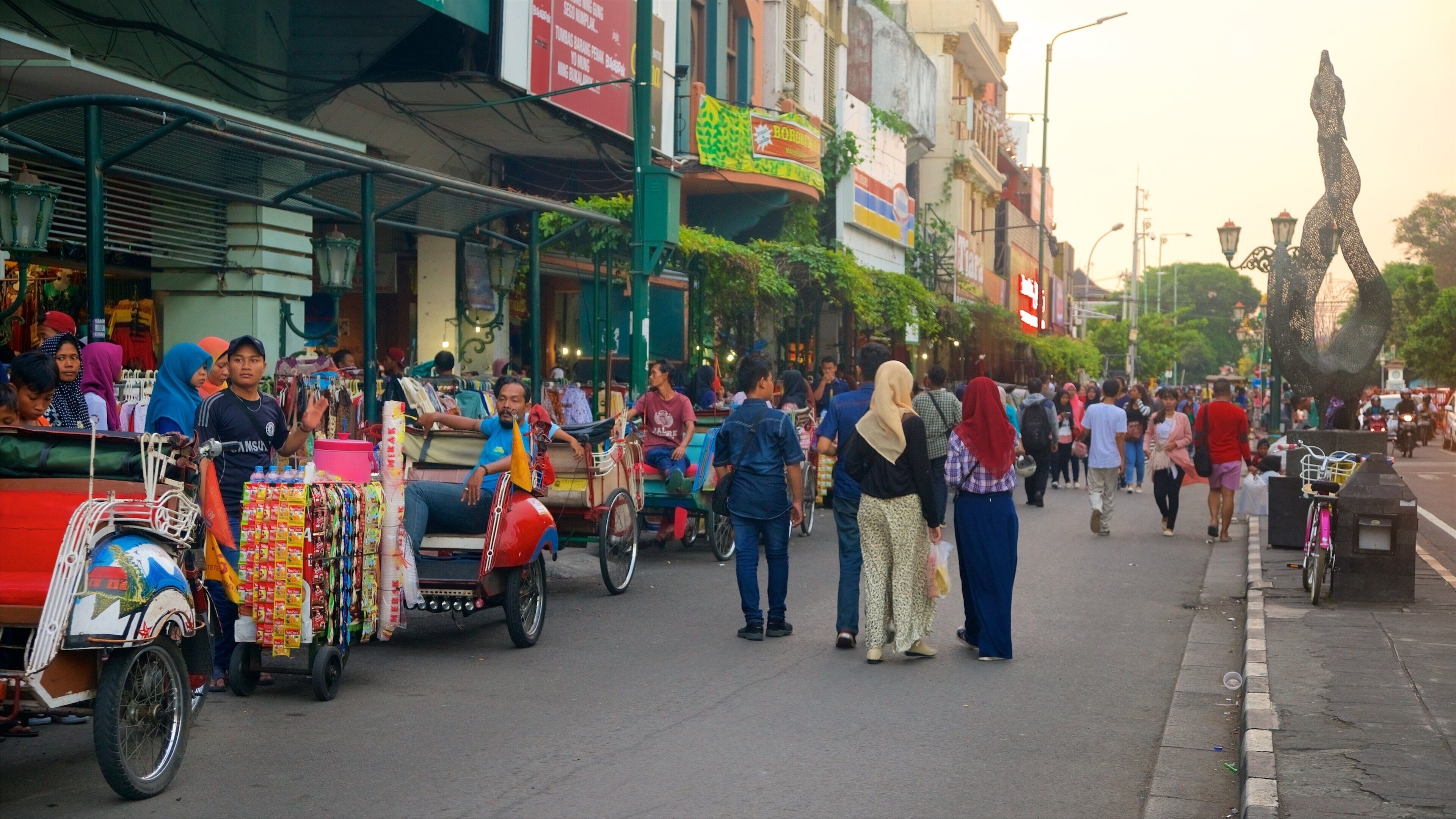
1. Jalan Malioboro
Kunjungi berbagai toko, pasar, kafe, dan restoran di Jalan Malioboro, kawasan yang memikat dan menghibur. Jalan Malioboro membelah jantung pusat kota Yogyakarta, sementara sisi jalan yang berdampingan menawarkan pilihan belanja dan tempat makan yang lebih banyak. Selama masa kolonial, jalan ini merupakan pusat pemerintahan Belanda. Jalan ini kemudian digunakan sebagai jalan upacara untuk Kesultanan Yogyakarta. Nama Malioboro berasal dari Duke of Marlborough, tokoh terkemuka selama pemerintahan Inggris di Indonesia.
Selengkapnya
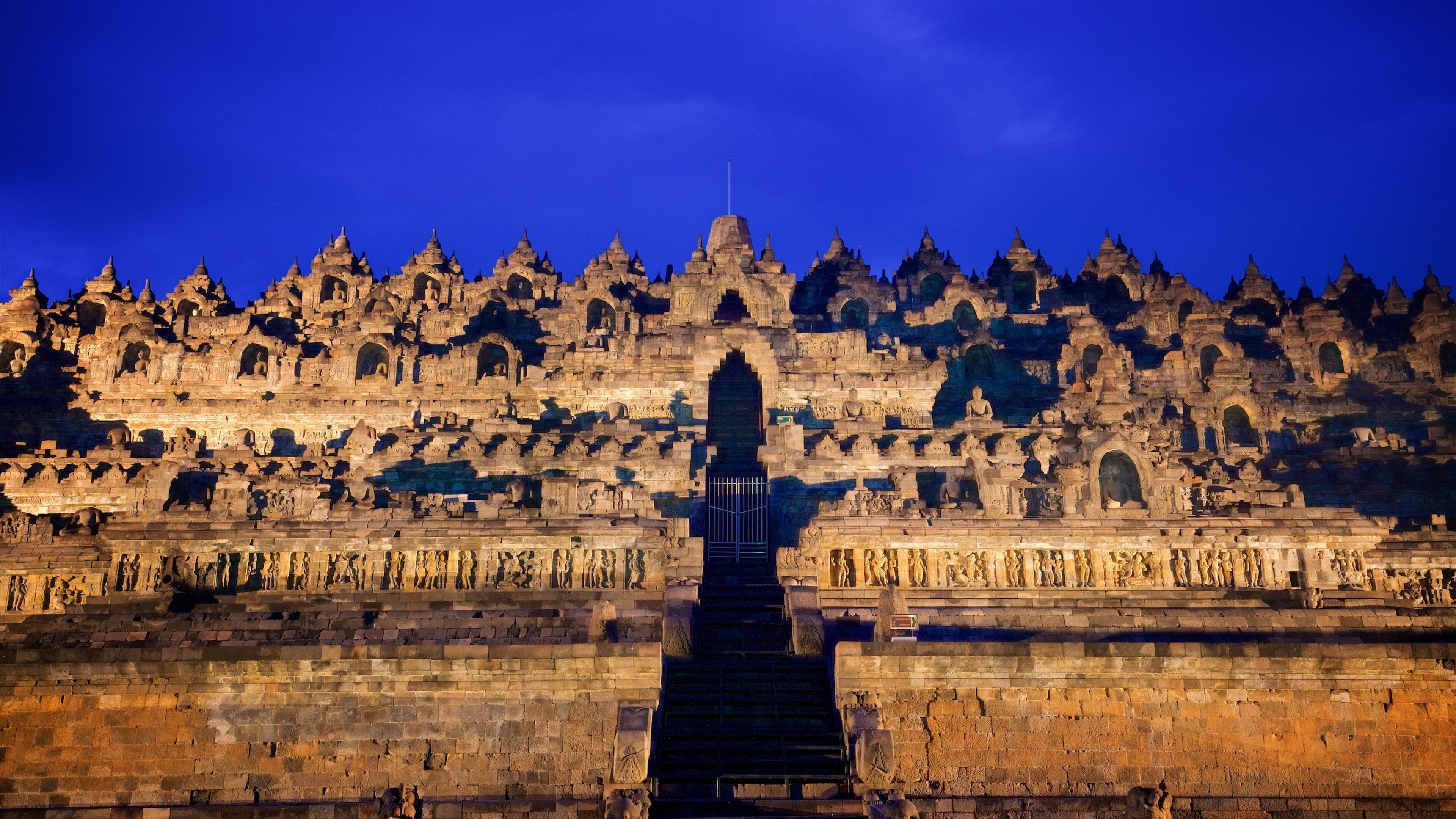
2. Candi Borobudur
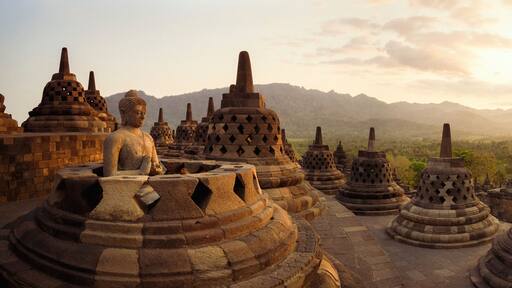
Candi Borobudur merupakan kompleks candi Buddha Mahayana yang menakjubkan. Situs UNESCO ini terdiri dari 9 lapisan teras dan perpaduan beragam bentuk menjadi sebuah kompleks candi yang menakjubkan. Kagumi temuan besar dan variasi dekorasi dan arsitektur di salah satu monumen paling terkemuka dan ikonik dari agama Buddha ini.
Selengkapnya
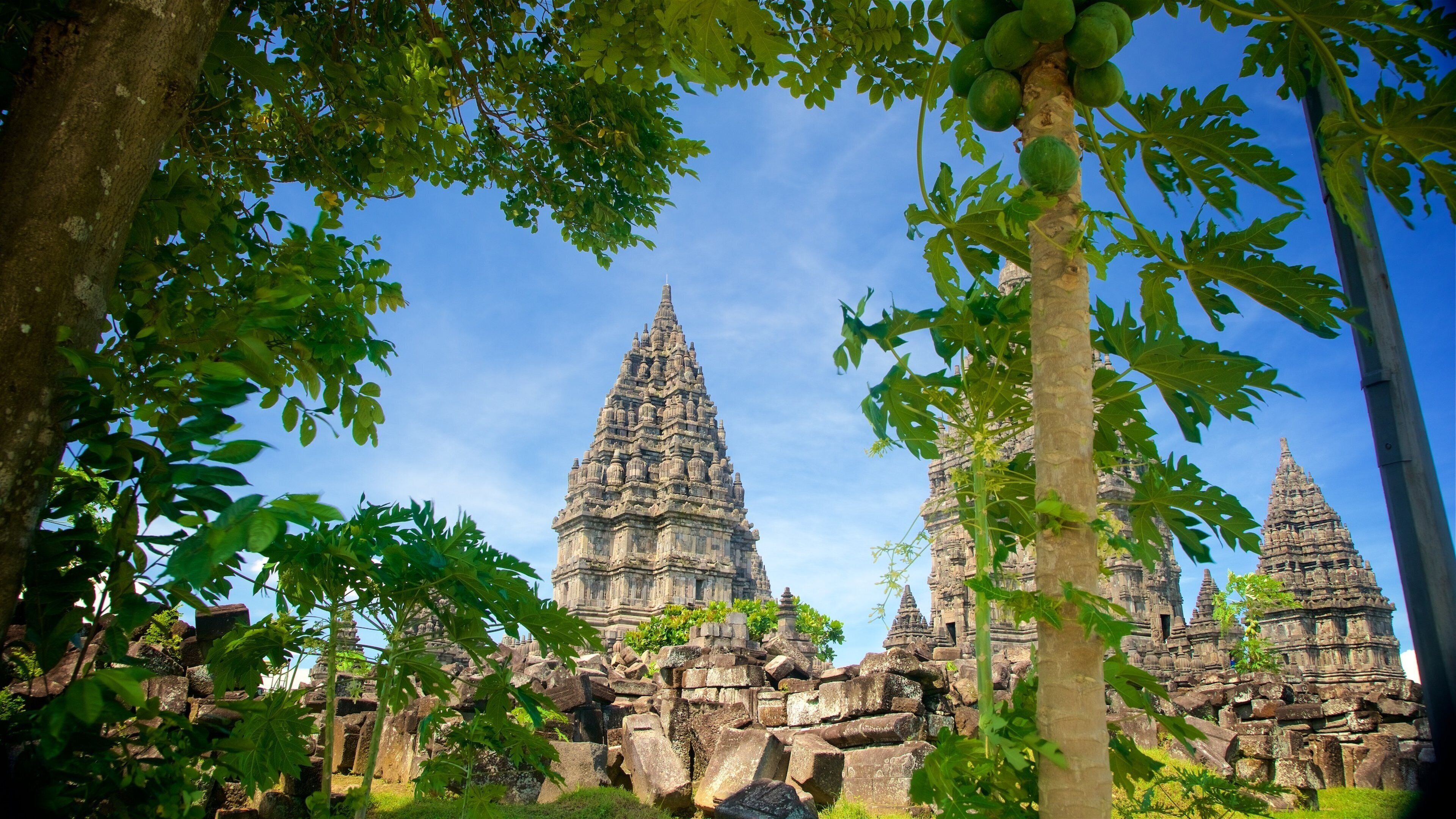
3. Candi Prambanan
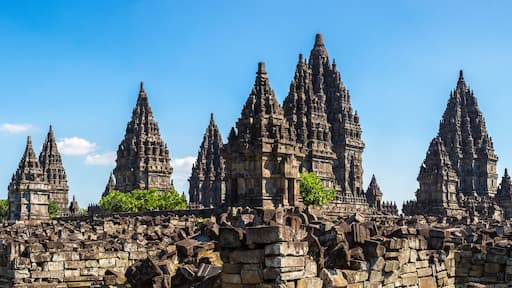
Dengan tampilannya yang menakjubkan dan dekorasinya yang detail, Candi Prambanan dianggap sebagai mahakarya arsitektur dari agama Hindu. Kompleks keagamaan abad ke-8 ini terdiri dari banyak bangunan candi yang tampak muncul dari tanah dengan ujung runcing bergerigi berwarna abu-abu. Perhatikan arsitektur spektakuler dan makna sejati dari situs warisan UNESCO yang luar biasa ini.
Selengkapnya
4. Tugu Yogyakarta
Tugu Yogyakarta adalah tugu yang detail di pusat kota yang memiliki arti khusus bagi warga Yogyakarta. Bangunan abad ke-18 tersebut dibangun oleh sultan pertama kota ini di lokasi simbolis antara Samudra Hindia, Gunung Merapi, dan Kompleks Kraton. Gunakan tugu tersebut sebagai titik kumpul yang praktis untuk bertemu teman dan keluarga selama liburan Anda di sini.
Selengkapnya

5. Kebun Binatang Gembira Loka
Kebun Binatang Gembira Loka adalah kompleks luas berisi banyak kandang binatang, taman botani, dan taman yang indah. Kebun binatang ini berisi sekitar 470 binatang yang tersebar di kawasan indah seluas 54 acre (22 hektar). Ajak anak-anak ke taman untuk bersenang-senang seharian penuh bersama seluruh keluarga.
Selengkapnya

6. Taman Sari
Istana Air Tamansari yang berisi kolam, saluran air, serta fitur berornamen, merupakan bekas kompleks istana yang megah untuk sultan Yogyakarta. Tempat ini memiliki banyak fungsi, yaitu sebagai tempat peristirahatan, kompleks meditasi, benteng pertahanan, serta tempat persembunyian. Di dalam terowongan yang gelap Anda akan menemukan masjid. Abadikan dalam beberapa foto detail yang rumit di seluruh situs tersebut.
Selengkapnya