

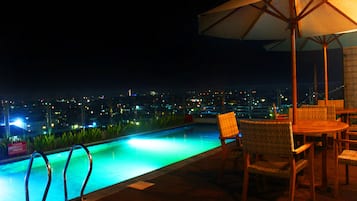
Foto oleh Sharrie Shaw

Temukan Hotel Bintang 4 di Pusat Kota Solo mulai dari mulai dari Rp569.332
 Berubah pikiranPesan hotel dengan pembatalan gratis
 Banyak pilihanCari di hampir jutaan properti di seluruh dunia
Cek ketersediaan Hotel Bintang 4 di Pusat Kota Solo
Malam ini
Besok
Akhir pekan berikutnya
Dalam dua minggu
Pilihan terbaik kami untuk hotel bintang 4 di Pusat Kota Solo
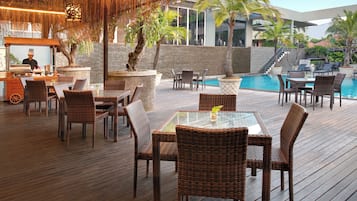
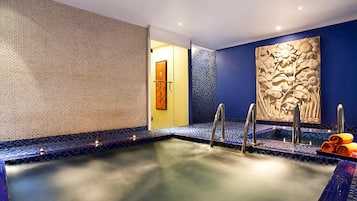

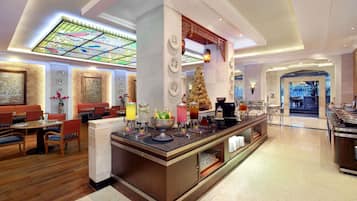
8.2 dari 10, Sangat bagus, (123 ulasan)
"kamar executive di premier floor, tp tidak ada bathtub. "

Traveler anonim
Harga sekarang Rp545.454
total Rp659.999
termasuk pajak & biaya lainnya
27 Sep - 28 Sep



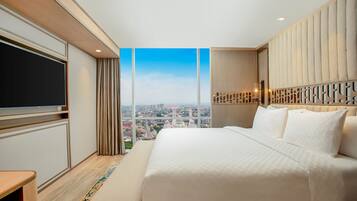
Harga sekarang Rp735.537
total Rp890.000
termasuk pajak & biaya lainnya
27 Sep - 28 Sep
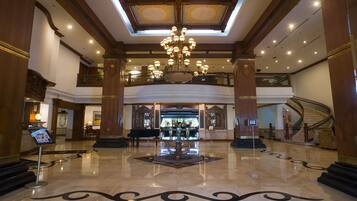


7.4 dari 10, Bagus, (6 ulasan)
"Kami menginap 1 malam di kmr delux. Check in biasa saja. Penyambutan di area reservasi terkesan sangat acuh utk hotel sekelas bintang 4/5. Terkesan customer yang datang tidak terlalu istimewa bagi hotel. Kamar cukup besar dgn king size bed yang nyaman namun entah kenapa kami berdua tidak bisa tidur sampai subuh pkl 4. Kebersihan cukup baik. Kamar mandi dengan air panas namun cukup lama untuk menunggu menjadi panas. Dari keseluruhan hanya breakfast yang sangat menonjol dgn variasi menu yang cukup...
Rahmadi
Harga sekarang Rp497.355
total Rp601.801
termasuk pajak & biaya lainnya
4 Okt - 5 Okt


Harga sekarang Rp470.523
total Rp569.332
termasuk pajak & biaya lainnya
25 Okt - 26 Okt


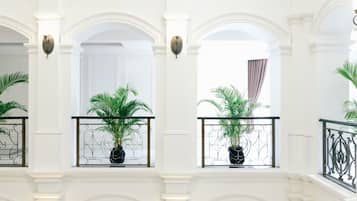

9.0 dari 10, Istimewa, (7 ulasan)
"Kamar besar dan bersih, tekanan air di kamar mandir perlu ditingkatkan dan amenities perlu ditambah "
Boedi
Harga sekarang Rp574.546
total Rp695.201
termasuk pajak & biaya lainnya
28 Sep - 29 Sep


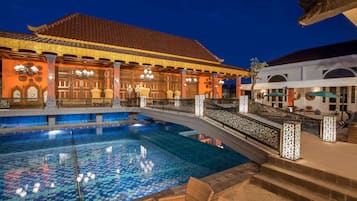
6. The Alana Hotel and Convention Center - Solo by Aston
The Alana Hotel and Convention Center - Solo by AstonColomadu
8.2 dari 10, Sangat bagus, (62 ulasan)
Harga sekarang Rp1.498.878
total Rp1.671.307
termasuk pajak & biaya lainnya
3 Okt - 4 Okt
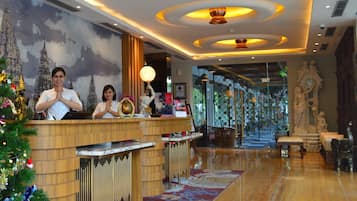

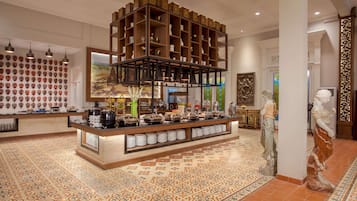
8.6 dari 10, Luar Biasa, (7 ulasan)
Harga sekarang Rp537.190
total Rp650.000
termasuk pajak & biaya lainnya
27 Sep - 28 Sep
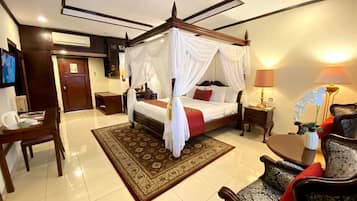

6.8 dari 10, (15 ulasan)
"Hotelnya sangat kuno untuk interiornya, untuk lingkungannya bagus. WIFI jelek sekali"
widy






Hemat rata-rata 15% untuk ribuan hotel saat Anda login
Jelajahi hotel bintang 5 yang serupa
Banyak hotel bintang 5 memiliki fasilitas yang sama dengan hotel bintang 4. Lihat semua hotel bintang 5 di Pusat Kota Solo.

Alila Solo, Java
Jl. Slamet Riyadi No. 562 Surakarta Central Java
Harga Rp1.100.000 per malam dari 27 Sep hingga 28 Sep
Rp1.100.000
total Rp1.331.000
27 Sep - 28 Sep
termasuk pajak & biaya lainnya
9,2/10 Istimewa! (154 ulasan)

Masih belum melihat apa yang Anda cari?
Lihat semua properti di Pusat Kota Solo.
Anda juga dapat menggunakan filter populer untuk mempersempit pencarian Anda.
Harga per malam terendah yang ditemukan dalam 24 jam terakhir berdasarkan pencarian 1 malam untuk 2 tamu dewasa. Harga dan ketersediaan dapat berubah sewaktu-waktu. Ketentuan tambahan dapat berlaku.
Ulasan Hotel Teratas di Pusat Kota Solo
Jelajahi dunia perjalanan dengan Expedia
- Rental mobil di Boyolali
- Rental mobil di Colomadu
- Rental mobil di Grogol
- Rental mobil di Karanganyar
- Rental mobil di Klaten
- Rental mobil dekat Pusat Kota Solo
- Rental mobil dekat Solo Paragon Lifestyle Mall
- Rental mobil di Solo
- Rental mobil di Sragen
- Rental mobil di Sukoharjo
- Rental mobil di Tawangmangu
- Rental mobil dekat The Heritage Palace
- Rental mobil dekat Universitas Muhammadiyah Surakarta
- Rental mobil dekat Universitas Sebelas Maret
- Rental mobil di Wonogiri