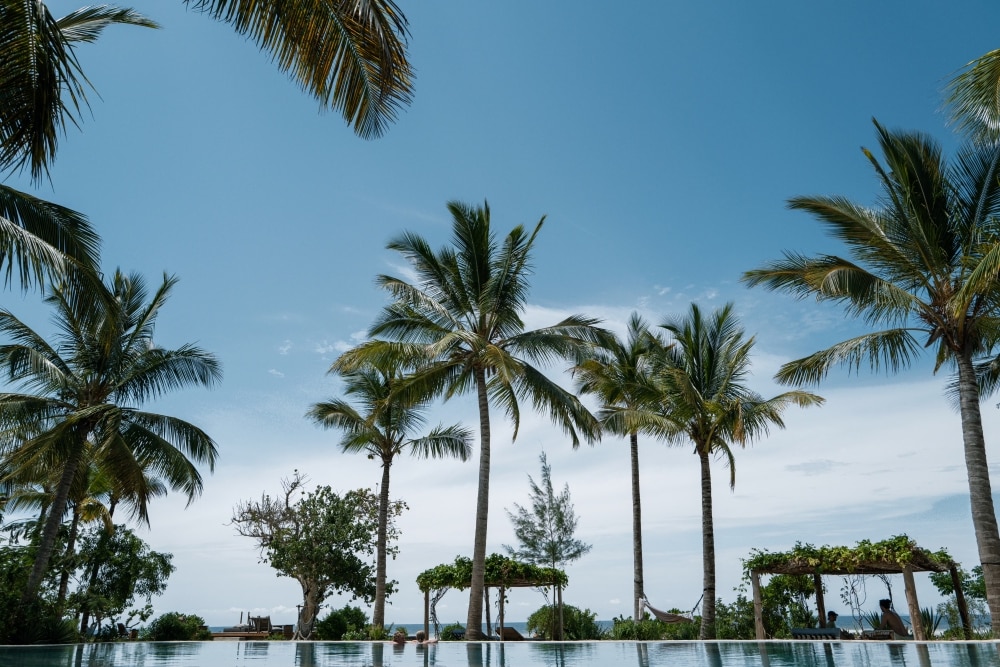


Find hotels in Tegalrejo from Rp165.000
 Change your mindBook hotels with free cancellation
 Be pickySearch almost a million properties worldwide
Go beyond your typical stay in Tegalrejo
Pet friendly
Apartment
Villa
Condo
Family friendly
Resort
Waterpark
Check prices for these dates
Tonight
21 Oct - 22 OctTomorrow
22 Oct - 23 OctThis weekend
23 Oct - 25 OctNext weekend
30 Oct - 1 NovOur top choices for Tegalrejo hotels




1. Hotel Tentrem Yogyakarta
Hotel Tentrem YogyakartaYogyakarta

Sai Ling
Rp1.995.000
Rp2.413.950 total
includes taxes & fees
25 Oct - 26 Oct


2. Uniq Hotel Yogyakarta
Uniq Hotel YogyakartaCentral Yogyakarta

Cem
Rp322.314
Rp389.999 total
includes taxes & fees
22 Oct - 23 Oct


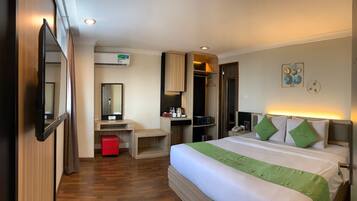

3. Top Malioboro Hotel
Top Malioboro HotelCentral Yogyakarta

Nishan
Rp495.229
Rp599.227 total
includes taxes & fees
22 Oct - 23 Oct


4. The Utara Hotel Tugu by Eresha Hospitality
The Utara Hotel Tugu by Eresha HospitalityCentral Yogyakarta
Rp307.781
Rp341.790 total
includes taxes & fees
27 Oct - 28 Oct


5. Allure Villa Yogyakarta
Allure Villa YogyakartaYogyakarta
Rp1.110.706
Rp1.343.955 total
includes taxes & fees
25 Oct - 26 Oct
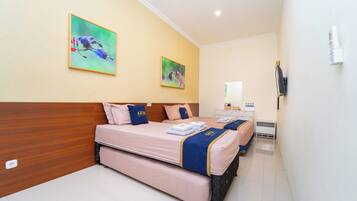
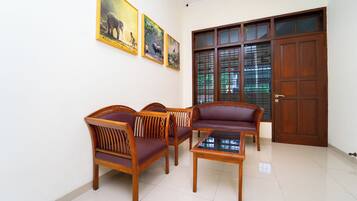
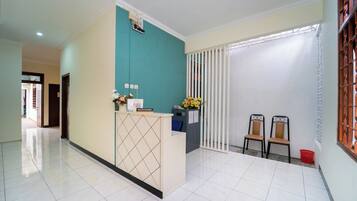
6. House Of Cokro By ARBA
House Of Cokro By ARBACentral Yogyakarta
Rp164.876
Rp199.501 total
includes taxes & fees
28 Oct - 29 Oct
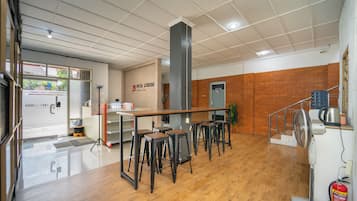

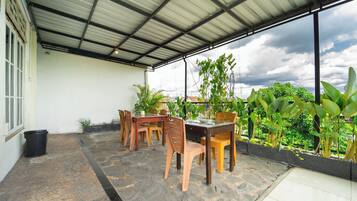
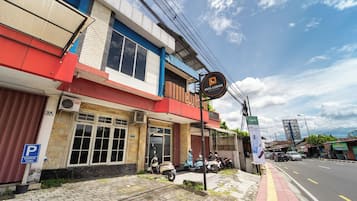
7. Peta Lodge Backpacker Hostel
Peta Lodge Backpacker HostelCentral Yogyakarta
Rp144.620
Rp174.990 total
includes taxes & fees
28 Oct - 29 Oct
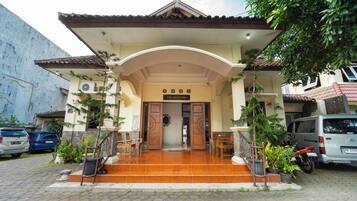
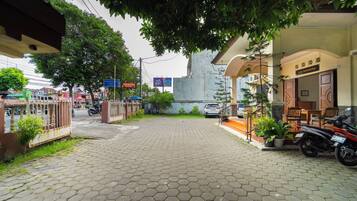

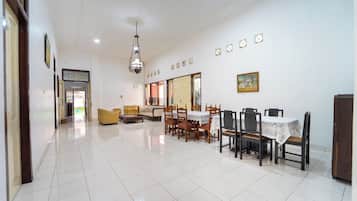
8. Griya Sastrowardoyo by ARBA
Griya Sastrowardoyo by ARBAYogyakarta
Rp295.364
Rp357.390 total
includes taxes & fees
4 Nov - 5 Nov
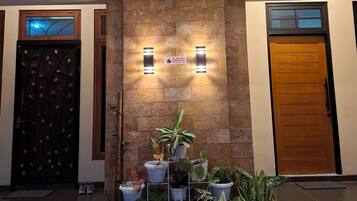
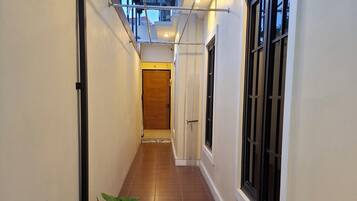
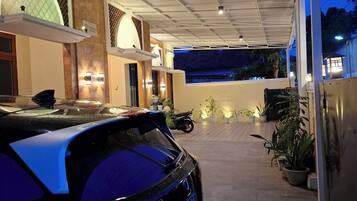
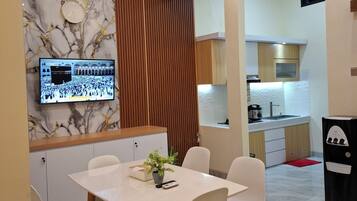
9. Tentrem Madani
Tentrem MadaniYogyakarta
Rp1.487.604
Rp1.800.000 total
includes taxes & fees
23 Oct - 24 Oct


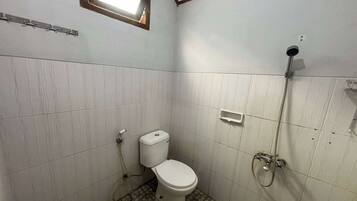

10. OYO 95050 Penginapan Sekarsari Syariah
OYO 95050 Penginapan Sekarsari SyariahYogyakarta
Rp197.756
Rp239.286 total
includes taxes & fees
23 Oct - 24 Oct
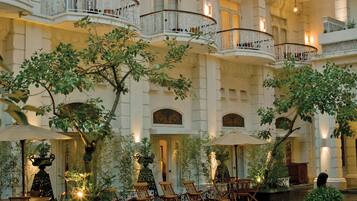

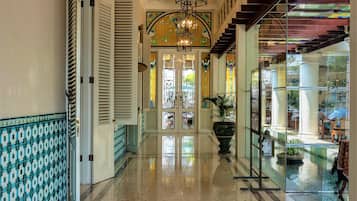

11. The Phoenix Hotel Yogyakarta - Handwritten Collection
The Phoenix Hotel Yogyakarta - Handwritten CollectionCentral Yogyakarta

Saskia
Rp809.917
Rp980.000 total
includes taxes & fees
22 Oct - 23 Oct

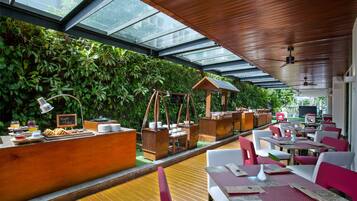


12. Swiss-Belboutique Yogyakarta
Swiss-Belboutique YogyakartaYogyakarta
Alkamal
Rp721.200
Rp880.304 total
includes taxes & fees
11 Nov - 12 Nov

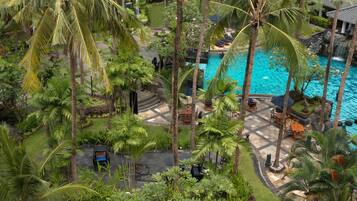
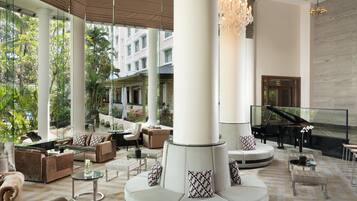

13. Melia Purosani Yogyakarta
Melia Purosani YogyakartaMalioboro
Mike
Rp1.116.941
Rp1.351.498 total
includes taxes & fees
2 Nov - 3 Nov



14. Yogyakarta Marriott Hotel
Yogyakarta Marriott HotelDepok
Seetha
Rp1.950.000
Rp2.359.500 total
includes taxes & fees
25 Oct - 26 Oct




15. Novotel Suites Yogyakarta Malioboro
Novotel Suites Yogyakarta MalioboroMalioboro
EDWARD
Rp950.000
Rp1.149.500 total
includes taxes & fees
25 Oct - 26 Oct

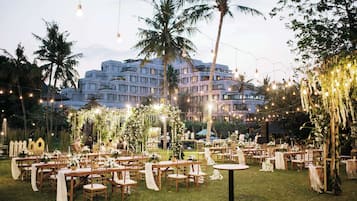

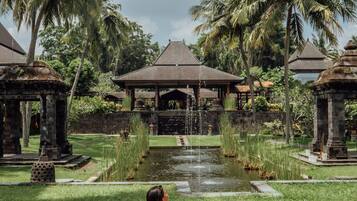
16. Hyatt Regency Yogyakarta
Hyatt Regency YogyakartaMlati
Robert
Rp1.410.000
Rp1.706.100 total
includes taxes & fees
10 Nov - 11 Nov
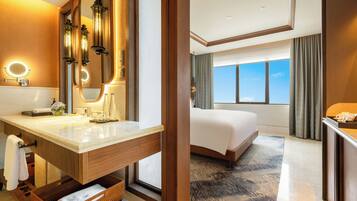
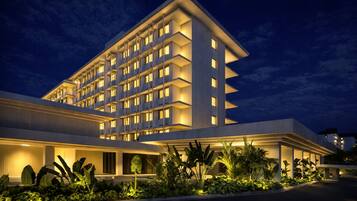

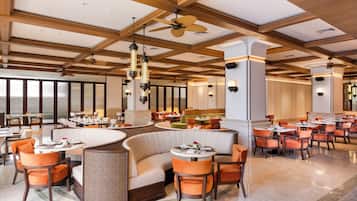
17. Grand Hotel De Djokja
Grand Hotel De DjokjaMalioboro

Wenny
Rp1.498.760
Rp1.813.500 total
includes taxes & fees
24 Oct - 25 Oct

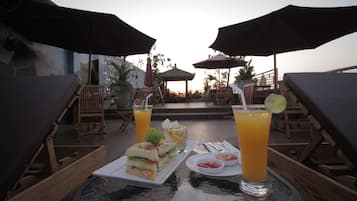
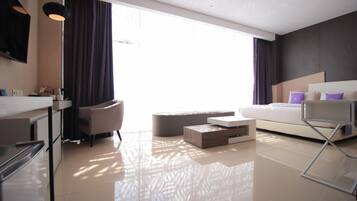
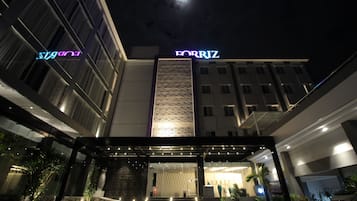
18. Forriz Hotel
Forriz HotelCentral Yogyakarta
Emily
Rp338.430
Rp409.500 total
includes taxes & fees
25 Oct - 26 Oct




19. Grand Mercure Yogyakarta Adi Sucipto
Grand Mercure Yogyakarta Adi SuciptoYogyakarta

Anonymous traveller
Rp661.157
Rp800.001 total
includes taxes & fees
22 Oct - 23 Oct
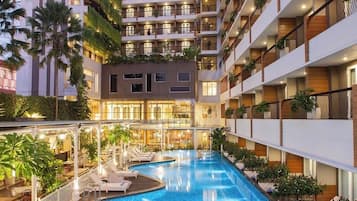
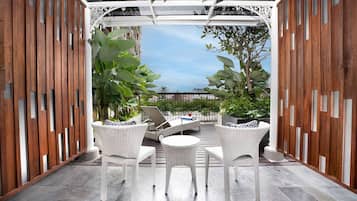
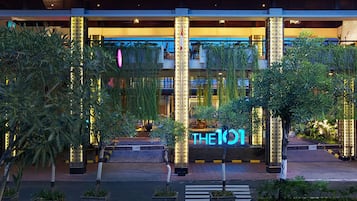
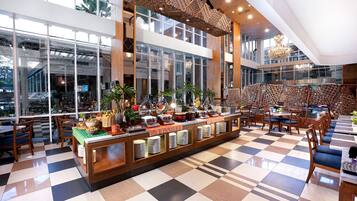
20. THE 1O1 Yogyakarta Tugu
THE 1O1 Yogyakarta TuguCentral Yogyakarta
Bao
Rp678.160
Rp820.574 total
includes taxes & fees
25 Oct - 26 Oct
Hotels recommended for families in Tegalrejo
Rp1.995.000
Rp2.413.950 total
includes taxes & fees
25 Oct - 26 Oct
The Phoenix Hotel Yogyakarta - Handwritten Collection
The Phoenix Hotel Yogyakarta - Handwritten CollectionCentral Yogyakarta
Rp809.917
Rp980.000 total
includes taxes & fees
22 Oct - 23 Oct
Rp1.116.941
Rp1.351.498 total
includes taxes & fees
2 Nov - 3 Nov
Rp721.200
Rp880.304 total
includes taxes & fees
11 Nov - 12 Nov
Rp950.000
Rp1.149.500 total
includes taxes & fees
25 Oct - 26 Oct
Rp338.430
Rp409.500 total
includes taxes & fees
25 Oct - 26 Oct
Rp1.410.000
Rp1.706.100 total
includes taxes & fees
10 Nov - 11 Nov



Rp823.470
Rp996.399 total
includes taxes & fees
29 Oct - 30 Oct

Save an average of 15% on thousands of hotels when you're signed in
Stay near popular Tegalrejo attractions
Museum Sasana Wiratama
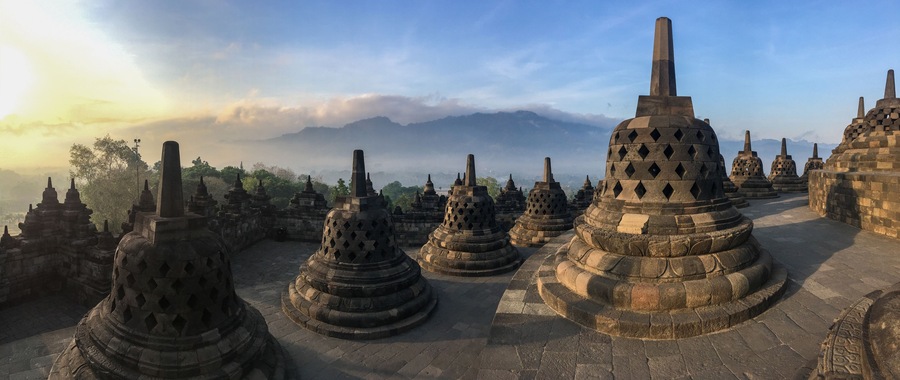
You can browse the exhibits at Museum Sasana Wiratama, a museum with a story of its own, during your travels to Tegalrejo. While in this culturally rich area, find time to visit its shops.
Learn more about Tegalrejo
Top Tegalrejo Hotel Reviews

Novotel Suites Yogyakarta Malioboro
10/10 Excellent
"Excellent service"
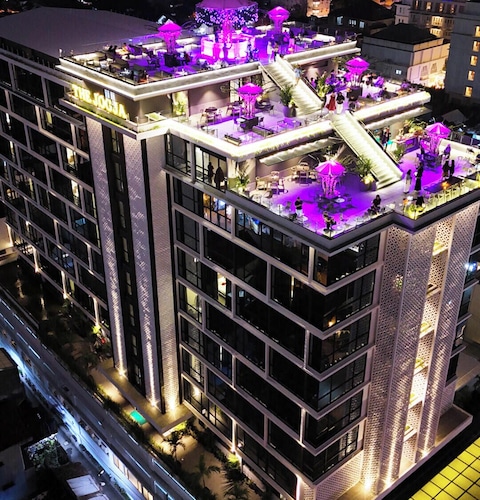
The Jogja Hotel & Conference Center - Malioboro
8/10 Good
"Had to go get your own water and a little out of town."
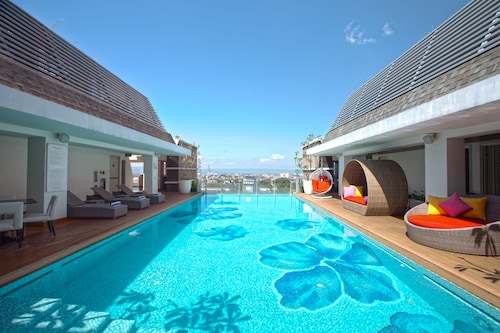
Swiss-Belboutique Yogyakarta
10/10 Excellent
"Ok"
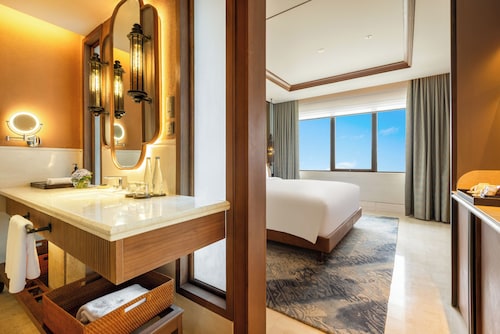
Grand Hotel De Djokja
10/10 Excellent
"I really enjoyed my stay at Hotel Da Djokja! I appreciated the warm welcome from the hotel staff, especially those in the lobby, who made me feel comfortable and welcome. The gym was another highlight of my stay! It has a great view of the pool from the gym. I find it really cute of how small the gym is and how much equipment it can fit in there. It is also well maintained. I also really liked how spacious my suite was, along with the comfortable bed and large bathroom. I also enjoyed the breakfast selections. One of the most memorable experiences was the complimentary photo session offered by the hotel, where we had the opportunity to dress in traditional Indonesian clothing. It was such a lovely and unique experience! We especially appreciated how patient and friendly our photographer was throughout the session. She took the time to guide us on how to pose and made sure we felt comfortable in front of the camera, which made the experience even more enjoyable. Another nice perk was the 10% discount on food, along with the convenience of having our meals delivered directly to our room. It was a thoughtful touch that made our stay even more relaxing and enjoyable. Overall, I had a wonderful experience and truly enjoyed the hotel’s hospitality and thoughtful extras! I genuinely felt that booking a suite was worth every penny, and I didn’t regret spending the extra money for the additional comfort"
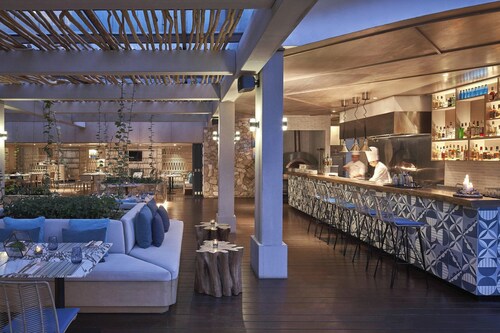
Yogyakarta Marriott Hotel
10/10 Excellent
"Beautiful, grand, luxury property Very spacious rooms, Awesome breakfast menu very courteous staff. Frans was friendly and helpful"
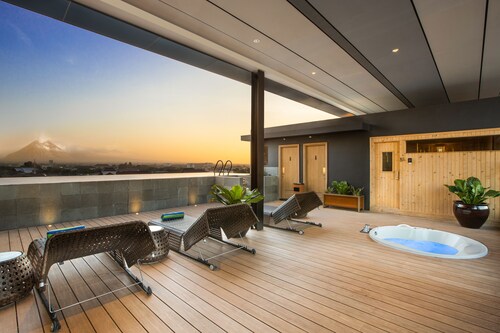
PORTA by Ambarrukmo
10/10 Excellent
"I"

Greenhost Boutique Hotel
10/10 Excellent
"Amazing unique hotel with nice pool, nice restaurant, and big clean rooms with good showers."

Hotel Tentrem Yogyakarta
10/10 Excellent
"Beautiful and luxurious hotel with an A+ staff. Room is cleaned every day unless I ask to skip (with a button near the door) but they will come by later for a rescheduling. This way they can restock the free complimentary water and food/fruits. Pool is very nice, breakfast buffet is from 6am to 10am and I do recommend getting it as part of your room - wide selection and most of its pretty good. There is a national anthem at 10am that does play in public areas of the hotel. Staff is helpful and professional with the front desk and those at most front facing positions having strong English speaking skills too. Would go back if I was in Yogya"
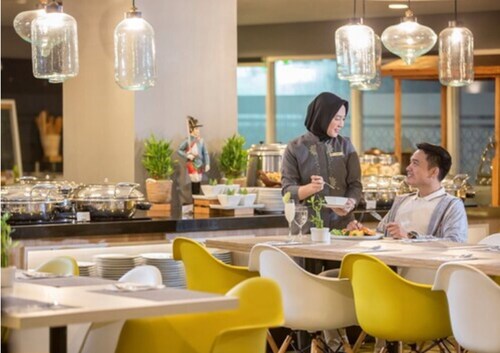
Khas Malioboro
10/10 Excellent
"The staff were super friendly and accommodating.. The room was spacious and the restaurant was also good. "
More cheap stays in Tegalrejo

The Pod Mangkubumi
no.95 Jl. Margo Utomo Yogyakarta DI Jogjakarta
Rp136.364
Rp165.000 total
26 Oct - 27 Oct
includes taxes & fees

Cendhani Raras Gallery
Jl. Sidoasih No.44b, Tiyasan, Condongcatur, Kec. Depok, Kabupaten Sleman Depok D.I Yogyakarta
Rp150.619
Rp182.249 total
8 Nov - 9 Nov
includes taxes & fees

Florens Inn
Jl. Tentara Zeni Pelajar No.23 Yogyakarta Jawa Tengah
Rp245.454
Rp296.999 total
26 Oct - 27 Oct
includes taxes & fees
10/10 Exceptional! (2 reviews)

HUBS Hostel Yogyakarta
No. 60 Jalan P. Mangkubumi Yogyakarta Jogja
Rp274.793
Rp332.499 total
26 Oct - 27 Oct
includes taxes & fees
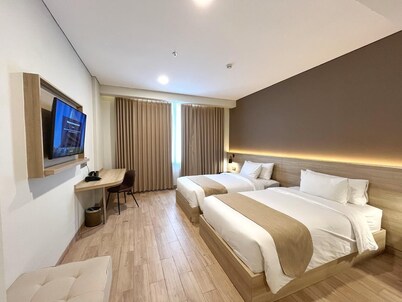
Prime UMY Hotel Convention & Dormitory
Jl. Anggrek Tegalrejo Kasihan Jogja
Rp304.587
Rp368.551 total
2 Nov - 3 Nov
includes taxes & fees

Hotels in Tegalrejo with star rating

5 Star Hotels
14 properties

4 Star Hotels
70 properties

3 Star Hotels
608 properties